
Flowers
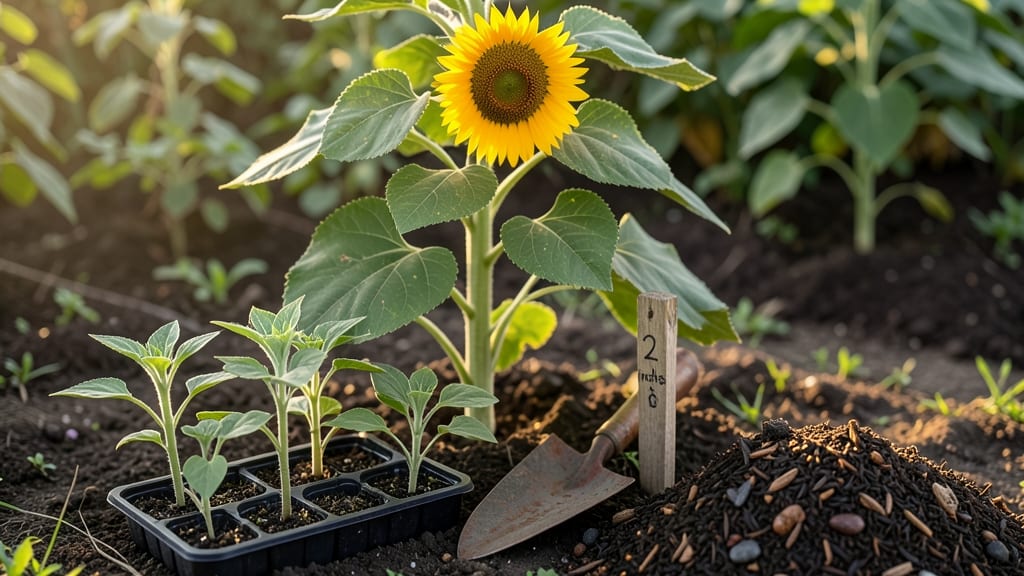
Planting sunflowers in New Mexico means timing it just right to beat the heat and drought—typically between mid-April and early June, depending on your elevation.
Sunflowers aren’t just cheerful additions to your garden—they’re drought-tolerant, wildlife magnets, and surprisingly low-maintenance. But timing your planting right in New Mexico’s USDA Zone 7B climate can mean the difference between towering, golden blooms and wilted disappointment.
New Mexico’s high desert and southern regions have wildly different frost dates and heat spikes. In Albuquerque and Santa Fe, where nights can still dip below freezing into April, hold off until soil warms to 50°F—usually late April.
Meanwhile, the Rio Grande Valley’s earlier spring lets you start as early as mid-March.
Below, I’ll break down the exact planting windows for your region, how to prep soil for the extreme dryness, and which sunflower varieties thrive in New Mexico’s 100°F+ summers—so you can grow sunflowers that reach their full 12-foot potential.
Optimal sunflower planting dates in New Mexico’s zone 7B climate
New Mexico’s Zone 7B climate offers a 150-180 day growing season, perfect for sunflowers—but timing matters. Plant too early, and frost can nip seedlings; too late, and summer’s 100°F+ heat stunts growth.
The ideal window balances soil warmth and moisture retention, which varies by region. Albuquerque’s high desert differs from the Rio Grande Valley’s warmer microclimate, so I’ll break it down by location.
For direct sowing (the easiest method), aim for when soil temperatures hit 55°F+ and stay consistent. In Albuquerque, this typically lands in mid-April to early May, while the Rio Grande Valley can start as early as late March.
Santa Fe’s cooler nights may delay planting until late April. Transplants, if you’re using them, need to go in 2-3 weeks earlier to establish roots before heat arrives.
Here’s the critical timeline you need to know, tailored to New Mexico’s microclimates:
| Region | Best Planting Window | Soil Temp Threshold | Last Frost Date |
|---|---|---|---|
| Albuquerque | Mid-April to early May | 55°F+ (13°C+) | April 15 (avg.) |
| Santa Fe | Late April to early May | 55°F+ (13°C+) | May 1 (avg.) |
| Rio Grande Valley | Late March to mid-April | 60°F+ (16°C+) | March 20 (avg.) |
| All Regions | Late July for fall blooms | N/A (direct sow) | First frost: Oct 15-Nov 1 |
Why these dates? Sunflowers hate soggy soil but need consistent moisture to germinate. Planting too early risks cold, wet soil, while late planting exposes seedlings to intense afternoon sun and drought stress.
I’ve seen firsthand how Albuquerque’s dry winds can desiccate young plants if they’re not established by June.
For direct sowing, scatter seeds 1 inch deep and 12-18 inches apart for standard varieties. In sandy New Mexico soils, add compost or aged manure to retain moisture. If transplanting, harden off seedlings for 5-7 days before moving them to the garden.
My Russian Giant sunflowers in Albuquerque’s high-altitude garden always perform best when transplanted by May 1.
Don’t overlook fall planting—it’s a secret to extended blooms! In late July, sow a second crop for autumn flowers before the first frost. This works especially well in the Rio Grande Valley, where the growing season stretches longer.
Just be sure to water deeply after planting, as summer’s heat can dry out seeds before germination.
Watch for soil temperature shifts—use a soil thermometer to confirm readiness. In Zone 7B, soil can fluctuate wildly between day and night. If temperatures dip below 50°F (10°C), germination slows dramatically.
I’ve had seeds sit for 3+ weeks in cool, wet springs, only to sprout when warmth finally arrives.
Pro tip: Mulch heavily after planting to lock in moisture and regulate soil temps. Straw or shredded leaves work well, but avoid plastic mulchdwarf varieties in Santa Fe’s containers thrive with 2 inches of mulch, reducing watering by 30%.
Finally, adjust for elevation. Gardens above 7,000 feet (like Santa Fe) may need to wait until after May 15, while lower elevations like Las Cruces can start in March. Always check your local cooperative extension service for microclimate-specific advice—they track frost dates and soil temps year-to-year.
Timing your sunflowers right in New Mexico’s Zone 7B isn’t just about the calendar—it’s about reading your soil and respecting the heat. With these dates and a little patience, you’ll be rewarded with sunflowers reaching 10+ feet by late summer. Happy planting! 🌻
How to adjust planting for New Mexico’s extreme heat and drought conditions
New Mexico’s high-desert climate throws serious challenges at sunflower growers—100°F+ temperatures, low humidity, and water scarcity can turn even the hardiest plants into crispy snacks.
But with the right adjustments, your sunflowers can thrive. The key is preparing your soil, managing water, and protecting young plants from the relentless sun.
First, focus on soil moisture retention. Native New Mexican soils are often sandy and fast-draining, which means water evaporates faster than a morning dew. Amend your planting area with 2-3 inches of compost or aged manure before sowing.
This improves water-holding capacity and feeds beneficial microbes that help roots access nutrients—critical for sunflowers that can grow up to 12 feet tall.
Next, consider shade cloth for young seedlings. In Albuquerque and Santa Fe, where afternoon sun can hit 95°F+, use 30-50% shade cloth for the first 2-3 weeks. This prevents heat stress and lets seedlings focus on root growth instead of wilting.
Remove the cloth once plants hit 6 inches tall—they’ll need full sun to reach their maximum bloom potential.
Watering is another critical adjustment. Sunflowers need 1-2 inches of water per week, but in New Mexico’s dry air, that evaporates quickly. Instead of light daily watering, deep-water 2-3 times per week at the soil base.
Use a soaker hose or drip irrigation to deliver water directly to roots and avoid wetting leaves, which can lead to fungal diseases in the heat.
Once your sunflowers are established, mulching becomes your best friend. Apply 2-3 inches of straw or wood chips around the base (but keep it 2 inches away from stems to prevent rot).
Mulch locks in moisture, cools the soil, and suppresses weeds—all while letting your sunflowers focus their energy on growing those iconic 12-foot stalks.
Finally, don’t overlook the power of timing. Plant in late April to early May in northern New Mexico to avoid the hottest summer months. This gives seedlings time to establish roots before temperatures soar.
For southern regions like the Rio Grande Valley, you can start as early as mid-March, but always wait until soil reaches 50°F—cold soil slows germination and invites rot.
With these adjustments, your sunflowers will stand tall against New Mexico’s challenges, rewarding you with vibrant blooms and maybe even a few sunflower seeds for next year’s garden. Happy growing! 🌻