
Flowers
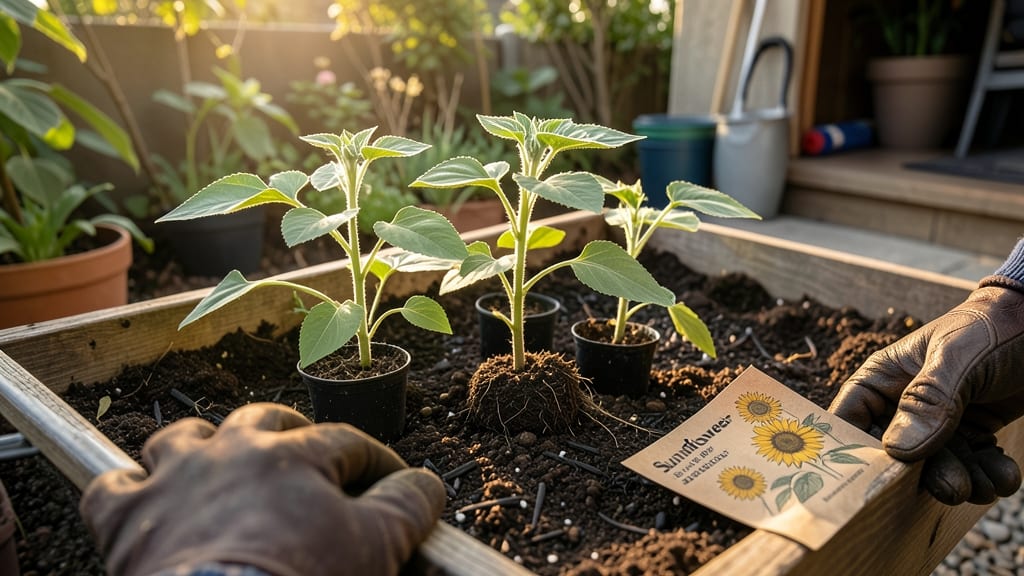
Planting sunflowers in Zone 8a means timing your seeds for 60-90 days of bloom magic before frost bites back in mid-November.
Miss that window, and you’ll end up with frost-burned petals or seedlings that bolt too fast—both heartbreaking for a gardener. The good news? Zone 8a’s 240 frost-free days give you two solid planting windows, but only if you know the exact weeks to aim for.
Here’s the breakdown: Start seeds indoors 4-6 weeks before your last frost (mid-February) or sow directly into warm soil (50°F+) from mid-March to late July
You’ll also discover how to stretch your season with cold-hardy varieties, when to fertilize for taller stems, and why watering in the morning saves your blooms from fungal trouble. Let’s get those 🌻 giants growing right.
Zone 8a sunflower planting calendar: exact weeks before/after last frost
In Zone 8a, where the last frost typically occurs around mid-February and the first frost arrives in mid-November, sunflowers thrive when planted at the right time. The key is balancing soil warmth (minimum 50°F) with frost-free days (aim for 90+ days to maturity).
Planting too early risks frost damage, while late sowing may delay blooms until fall—cutting your viewing window short.
Your Zone 8a sunflower planting window spans from mid-March to late July, but the best results come from aligning your schedule with soil temperature thresholds and regional microclimates. Coastal areas (like San Diego) can plant 2–3 weeks earlier than inland zones (like Phoenix), thanks to milder temperatures.
Meanwhile, inland gardeners should wait until late April to avoid late-spring frosts.
Here’s a breakdown of your optimal planting timeline, including direct-sow vs. transplant methods and soil temperature benchmarks:
For coastal Zone 8a gardeners (e.g., Southern California), you can start direct sowing as early as mid-March when soil temperatures hit 50°F. Inland areas (e.g., Arizona, Nevada) should wait until late April to avoid late-spring frosts, which can scorch young seedlings.
Always check your local frost dates—even a 28°F night can damage sunflowers under 6 inches tall.
If you’re planting transplants (nursery-grown), harden them off for 7–10 days before transplanting in late April or early May. This gives them time to establish roots before summer heat sets in.
For direct sowing, plant seeds 1 inch deep and 6 inches apart in rows 18–24 inches apart to allow for air circulation and reduce fungal risks.
Summer planting in late June or July is ideal for late-season blooms, but choose fast-maturing varieties (e.g., 'Autumn Beauty') to ensure flowers open before the first frost in mid-November.
Avoid planting after early August—sunflowers need 90+ frost-free days to reach maturity, and late plantings risk stunted growth or no blooms at all.
Pro
5 Critical factors that determine your ideal sunflower planting window
Sunflowers thrive in Zone 8a’s long growing season, but your planting window depends on more than just frost dates. Sunlight exposure, variety selection, and even local wind patterns like Santa Ana winds can shift your ideal timing by weeks.
For example, coastal areas near Santa Barbara can plant 2-3 weeks later than inland spots in Riverside due to milder microclimates.
Raised beds also change the equation—warmer soil speeds up germination, while in-ground planting may need soil temperature checks (aim for 50°F+). Giant varieties like 'Mammoth' need early starts, while dwarf 'Teddy Bear' sunflowers tolerate late plantings. Let’s break down these five game-changers to pinpoint your perfect window.
Zone 8a’s 6-8+ hours of direct sun is non-negotiable. Coastal areas get longer daylight in summer, while inland spots may need earlier starts to avoid afternoon shade. Test your spot with a sunlight tracker for 3 days.
Giant varieties (90-day maturity) need mid-March starts, while dwarf types (60-day maturity) can wait until late April. Check seed packets for days to bloom—this dictates your last possible planting date.
Santa Ana winds (dry, hot gusts) can stress seedlings in May-June. If your area experiences these, delay planting until after June 1 or use windbreaks like cornstalks or bamboo fencing.
Raised beds warm up 2-3 weeks faster than in-ground soil. Use a soil thermometer—plant when temps hit 50°F+. In-ground planting may need to wait until late March in cooler inland zones.
Zone 8a’s last frost is mid-February, but late plantings (after July 15) risk fall frosts. Use row covers to extend your window by 2-3 weeks if you’re set on a late harvest.
Let’s say you’re in coastal Orange County with mild winters. Your ideal window stretches from late March to early August—perfect for two planting batches. But inland in San Bernardino? Start by mid-March and avoid anything after July 1 unless you’re using frost protection.
Pro tip: Direct-sow seeds in warm soil (no need for transplants) to save time. Drop them 1 inch deep, 6 inches apart, and thin to 18 inches for giants or 12 inches for dwarfs. Thinning prevents crowded stems and ensures full sun access for all plants.
Remember, watering schedules shift with your planting time. Early spring starts need consistent moisture to establish roots, while summer plantings benefit from deep, infrequent watering to encourage drought tolerance. Adjust your morning watering routine based on your sunflowers’ age and stage.
With these five factors locked in, you’ll avoid the common mistakes of planting too early (seeds rot in cold soil) or too late (bolting before blooming). Now grab those seeds—your 🌻 giants are waiting for their turn in the sun!