
Flowers
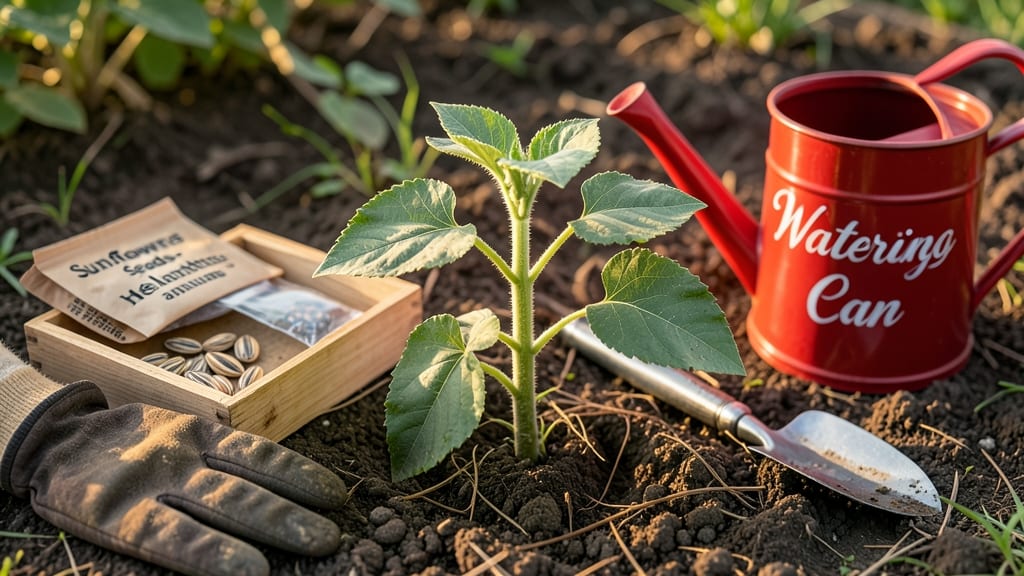
Plant sunflowers in Zone 9 between late February and early April to avoid heat stress and maximize towering blooms 🌻.
If you’ve ever watched a sunflower bolt too early or struggle with stunted growth, timing is the key.
Zone 9’s warm climate means you can’t follow the same rules as cooler regions—plant too soon, and the heat zaps your seedlings; wait too long, and you miss the sweet spot for full-size flowers.
Below, I’ll break down the exact frost-free window for your microclimate, whether you’re in Southern California’s coastal chill or Arizona’s desert heat, plus how to adjust for early vs. late varieties.
You’ll also discover how to prep your soil, choose the right varieties, and keep your sunflowers thriving from seed to 12-foot giants—without the guesswork.
Optimal sunflower planting dates in Zone 9: avoiding heat stress and early bolting
Zone 9 gardeners enjoy 300+ frost-free days, giving sunflowers a long growing season—but timing matters. Plant too early, and heat stress stunts growth. Too late, and you risk early bolting before mature blooms appear. The sweet spot? Late February through April, when soil temperatures hit 60°F+ consistently.
Your last frost date in Zone 9 typically falls around December 15, but microclimates vary. Coastal areas like San Diego may have warmer winters, while inland Phoenix experiences hotter summers. Adjust planting windows accordingly—coastal gardeners can start 2–3 weeks earlier than inland areas.
| Planting Window | Soil Temp Threshold | Best Varieties | Notes |
|---|---|---|---|
| Late February | 55–60°F | Early varieties (e.g., 'Teddy Bear') | Coastal areas only; avoid inland heat stress. |
| March–April | 60–70°F | Standard/giant varieties (e.g., 'Russian Giant') | Optimal for inland and coastal; peak growth. |
| May (late) | 70°F+ | Dwarf varieties (e.g., 'Moulin Rouge') | Risk of bolting; best for fall harvest. |
For direct sowing, drop seeds 1 inch deep and 6 inches apart once soil warms. Transplanting young starts is trickier—sunflowers hate root disturbance. If you must transplant, harden off seedlings for 7–10 days and plant in late March to avoid shock.
Zone 9’s summer heat (90°F+) can cause heat stress if planted too early. Use shade cloth for young plants until they reach 2 feet tall. Mulch with straw or wood chips to retain moisture and regulate soil temperature.
Pro tip: Fall planting is possible in Zone 9! Sow dwarf varieties in late August for winter blooms. They’ll mature before the first frost, giving you extended harvest windows. Just ensure 60+ days to maturity.
Calculate your last frost date by checking local weather records or using the USDA Plant Hardiness Zone Map. Inland areas like Palm Springs may have earlier planting windows than coastal San Francisco, which stays cooler year-round.
Watch for early bolting—a sign of heat stress or overcrowding. Thin seedlings to 12–18 inches apart for giants or 6–12 inches for dwarfs. Bolting too soon? Try shade cloth or succession planting in late April for a second flush of blooms.
Sunflowers in Zone 9 reward patience with towering stems and vibrant blooms. Stick to these windows, and you’ll avoid the pitfalls of heat stress and early bolting, ensuring sunflowers that reach their full potential. 🌻
5 Critical factors that determine your sunflower planting success in Zone 9
Getting your sunflower planting timeline right is just the first step—Zone 9’s unique climate demands attention to soil health, water balance, and light exposure to prevent common pitfalls like heat stress or fungal diseases.
I’ve grown sunflowers in both coastal and desert parts of Zone 9, and these five factors make the difference between wilted seedlings and 12-foot giants 🌻.
First, your soil pH must be between 6.0 and 7.5—sunflowers hate acidic soil, which locks out essential nutrients like phosphorus. Test your soil now, and if it’s off, amend it with lime (to raise pH) or sulfur (to lower it).
Zone 9’s sandy soils often need extra organic matter, so mix in compost or well-rotted manure to improve moisture retention.
Next, moisture management is trickier than you think. While sunflowers are drought-tolerant once established, they need consistent watering during their first 4–6 weeks to prevent bolting (premature flowering).
Water deeply in the early morning to avoid fungal issues, and mulch with straw or wood chips to keep roots cool in desert heat. Overwatering is just as bad—it causes root rot, especially in humid coastal areas.
Sunlight requirements are non-negotiable: sunflowers demand full sun (6+ hours daily). In Zone 9, that means planting them where they’ll get unfiltered afternoon sun, which can be brutal. If your garden has afternoon shade, choose dwarf varieties like ‘Moulin Rouge’ (4–5 ft) instead of giants like ‘Russian Giant’ (12+ ft), which need 8+ hours of direct sun to thrive.
- 🌍 Soil pH 6.0–7.5: Test and amend—sunflowers hate acidic soil. Use lime to raise pH if needed.
- 💧 Deep watering (early morning): Keep soil moist for 4–6 weeks, then reduce to weekly deep soaks.
- ☀️ Full sun (6+ hours daily): Afternoon shade = stunted growth. Choose dwarf varieties for partial shade.
- 🌿 Companion plants: Pair with marigolds (pest control) or avoid basil (competes for nutrients).
- ⚠️ Fungal watch: Coastal areas? Space plants 12+ inches apart and avoid overhead watering.
Don’t overlook companion planting—it can mean the difference between thriving sunflowers and a garden full of pests. Marigolds are my go-to companions because they repel nematodes and aphids, while basil is a no-go (it competes with sunflowers for nutrients and space).
For pollinator power, plant sunflowers near bee balm or cosmos to attract bees and butterflies that boost your garden’s biodiversity.
Finally, Zone 9’s humidity in coastal areas creates ideal conditions for fungal diseases like powdery mildew. To prevent this, space your sunflowers 12–18 inches apart for airflow, and water at the base (never overhead).
If you spot white powder on leaves, treat immediately with neem oil or a baking soda spray (1 tsp baking soda + 1 quart water + a drop of dish soap). In desert areas, heat stress is the bigger enemy—provide shade cloth for young seedlings until they’re established.
Master these five factors, and your sunflowers will reward you with vibrant blooms and towering stalks that dominate your garden. Start with your soil pH, then focus on watering discipline and sunlight placement—the rest will fall into place. Happy growing! 🌻