
Flowers
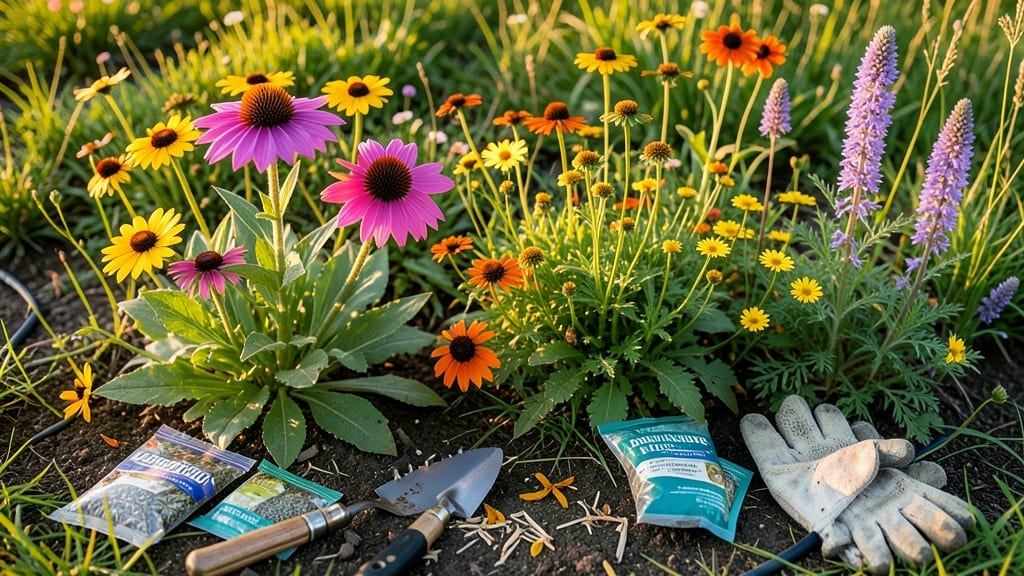
Planting wildflowers in Maryland at the right time ensures vibrant blooms from spring to fall, with two ideal windows that align perfectly with the state’s climate zones.
Picture this: you’ve spent hours scattering seeds, only to watch them wither under a late frost or struggle in summer’s heat. Maryland’s 6a-8a zones demand precision—plant too early, and you risk frost damage; too late, and growth may stall before blooming.
The key is knowing when to act, whether you’re sowing Black-eyed Susans in the Piedmont or salt-tolerant species along the coast.
This guide breaks down the best months for planting, from early spring’s gentle rains to fall’s cooler soils, plus how to prep your soil for year-round color.
Whether you’re a beginner or a seasoned gardener, these timing tips will help you avoid common mistakes and create a thriving wildflower meadow.
You’ll learn which varieties thrive in Maryland’s humidity, how to stagger plantings for continuous blooms, and even how to work around the state’s unpredictable spring showers. Ready to transform your garden into a pollinator paradise?
Maryland’s wildflower planting calendar by region and season
Maryland’s three distinct regions—Coastal, Piedmont, and Mountain—each offer unique microclimates that influence when to plant wildflowers for success. Coastal areas enjoy milder winters and higher humidity, while Piedmont’s hot summers demand early planting, and Mountain regions benefit from cooler temperatures that extend the growing season.
Understanding these regional frost dates and soil temperatures ensures your wildflowers thrive year after year.
For annual wildflowers, timing is critical to avoid frost damage or summer heat stress. Perennials, on the other hand, establish roots over time, making fall planting a smart strategy for long-term blooms.
Below, I’ve broken down the best planting windows for each region, including early spring, late summer, and fall strategies tailored to Maryland’s USDA Zones 6a-8a.
⚠️ Key Considerations: Always check your local last frost date (typically mid-April for Coastal, late April for Piedmont, and early May for Mountain regions) and first frost date (usually mid-October or earlier in higher elevations). Soil temperatures should ideally reach 50°F (10°C) for optimal germination.
| Region | Best Planting Window | Soil Temp Requirement | Wildflower Type | Notes |
|---|---|---|---|---|
| Coastal (Zone 7b-8a) | Early March–April | 50–60°F (10–15°C) | Annuals & Perennials | Milder winters; salt-tolerant varieties like Beach Pea thrive. |
| Piedmont (Zone 6b-7a) | Late March–April | 55–65°F (13–18°C) | Perennials & Drought-Tolerant Annuals | Hot summers; plant Coneflowers and Black-eyed Susans early. |
| Mountain (Zone 6a-7a) | Late April–May | 45–55°F (7–13°C) | Perennials & Cool-Season Annuals | Cooler temps; ideal for Columbine and Lupine. |
| All Regions | Late August–September | 60–70°F (15–21°C) | Perennials & Biennials | Fall planting for spring blooms; avoid late-season heat stress. |
| All Regions | June–July (Late Summer) | 65°F+ (18°C+) | Annuals (e.g., Cosmos, Zinnias) | Succession planting for continuous blooms through fall. |
In the Coastal Plain, where winters are milder, you can start sowing annual wildflowers as early as mid-February under frost cloth or in a greenhouse. This head start ensures vibrant blooms by spring.
For perennials, focus on late summer or early fall planting to allow roots to establish before winter dormancy. Salt-tolerant varieties like Seashore Mallow are perfect for this region’s humid, coastal conditions.
Piedmont gardeners should prioritize early spring planting (late March to early April) to beat the region’s intense summer heat. Drought-tolerant perennials like Purple Coneflower and Butterfly Weed thrive when planted in well-draining soil with minimal summer watering.
If you miss spring, late summer (August) is your next best window for annuals like Cosmos and Sunflowers.
For Mountain regions, where cooler temperatures prevail, wait until late April or May to plant. This delay avoids late-spring frosts that can damage tender seedlings. Native Mountain wildflowers, such as Wild Bergamot and Trillium, flourish in these conditions and reward patience with stunning displays.
Fall planting in September is also ideal for perennials, giving them time to root before winter.
Regardless of region,
Best wildflower species for Maryland’s climate and when to sow them
Maryland’s native wildflowers thrive when planted at the right time, and choosing the right species for your region makes all the difference. From drought-resistant coneflowers in the Piedmont to salt-tolerant beach grasses along the coast, each plant has its own ideal window for sowing.
Whether you’re a beginner or a seasoned gardener, timing your plantings correctly ensures vibrant blooms from spring through fall.
For Coastal Maryland, focus on varieties that tolerate salt spray and humidity, like Sea Oats and Marsh Milkweed. In the Piedmont region, Black-eyed Susans and Purple Coneflowers shine in full sun and well-draining soil.
Meanwhile, Mountain areas benefit from cooler temperatures, making Columbine and Wild Bergamot excellent choices for their shade tolerance.
| Wildflower Species | Best Planting Time | Sowing Method | Regional Fit | Key Notes |
|---|---|---|---|---|
| Black-eyed Susan (Rudbeckia hirta) | Early spring (March-April) or late summer (August) | Direct sow outdoors or start indoors 4-6 weeks before last frost | Piedmont, Mountain | Drought-tolerant; attracts pollinators |
| Purple Coneflower (Echinacea purpurea) | Early spring (March) or fall (September-October) | Direct sow outdoors; prefers cooler soil | Coastal, Piedmont | Thrives in poor soil; great for cut flowers |
| Butterfly Weed (Asclepias tuberosa) | Early spring (March) or late summer (August) | Direct sow outdoors; avoid overwatering | Piedmont, Mountain | Drought-resistant; host plant for monarchs |
| Cosmos (Cosmos bipinnatus) | Late spring (May) or early summer (June) | Start indoors 6-8 weeks before last frost | Coastal, Piedmont | Fast-growing annual; thrives in heat |
| Zinnias (Zinnia elegans) | Late spring (May) to early summer (June) | Direct sow outdoors after frost | All regions | Bright colors; attracts butterflies |
| Sea Oats (Uniola paniculata) | Early spring (March) or fall (September) | Direct sow outdoors; tolerates salt spray | Coastal | Salt-tolerant; stabilizes soil |
If you’re sowing seeds indoors for a head start, begin with annuals like Cosmos and Zinnias 6-8 weeks before Maryland’s last frost date (typically mid-April). For perennials like Coneflowers, direct sowing outdoors in early spring or fall works best, as they prefer cooler soil temperatures for germination.
For Coastal Maryland, prioritize salt-tolerant species like Sea Oats and Marsh Milkweed, which thrive in sandy, well-drained soils.
In the Piedmont, focus on drought-resistant natives such as Black-eyed Susans and Butterfly Weed, which handle the region’s hot summers with ease. Mountain areas benefit from shade-loving varieties like Columbine, which blooms beautifully in partial shade.
Pro tip: Always lightly cover seeds with soil (no more than ¼ inch deep) and keep the area moist until germination. Avoid overwatering, as many wildflowers prefer well-draining soil and can rot in soggy conditions.
With the right timing and species, your Maryland garden will burst with color and life all season long!