
Flowers
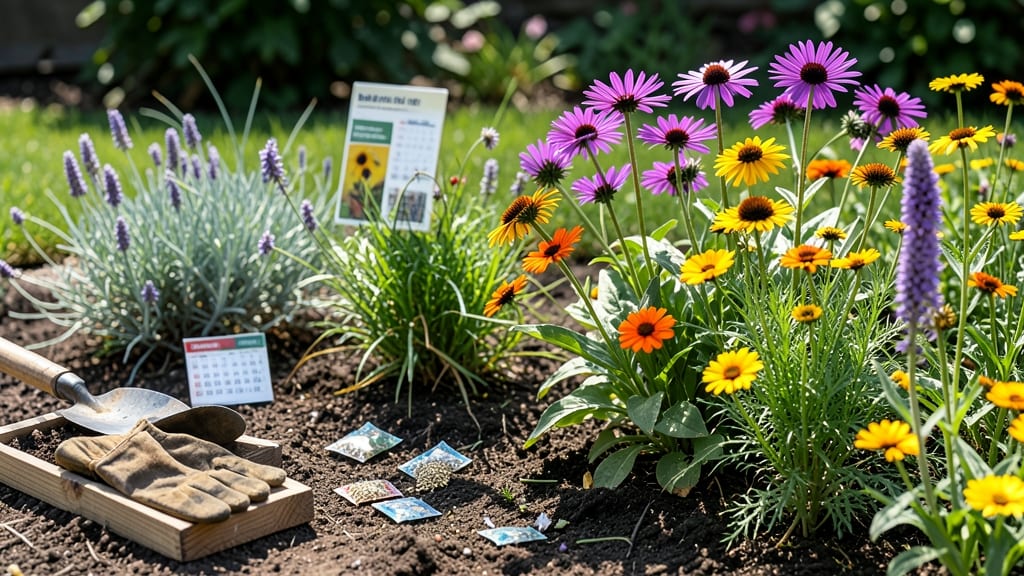
Planting wildflowers in Wisconsin at the right time means the difference between a vibrant meadow and a missed opportunity — and the ideal window shifts by weeks depending on your microclimate.
Wisconsin’s diverse regions—from the Lake Michigan shoreline to the Driftless Area—can have frost-free dates that differ by three weeks, making a one-size-fits-all approach risky. Whether you’re in Zone 4a or 5b, timing matters more than you might think.
Here’s how to align your planting with Wisconsin’s spring thaw and fall frost, including the best months for annuals vs. perennials, soil prep tricks, and which wildflower species 🌼 can handle late starts.
You’ll learn exactly when to sow seeds for maximum blooms, how to adjust for urban heat islands, and which varieties thrive even when planted after Memorial Day.
Wisconsin wildflower planting dates by USDA hardiness Zone (2024 guide)
Wisconsin spans USDA Zones 3-5, where last frost dates can shift by 2-3 weeks between northern and southern regions. For annual wildflowers, timing is critical—plant too early, and seeds rot; too late, and blooms arrive after summer's peak.
Perennials offer more flexibility, but even they need soil warmth to germinate successfully.
Most Wisconsin gardeners divide planting into two windows: early spring (April-May) for hardy annuals and late summer (July-August) for fall-blooming varieties. However, Zone 3 areas (like northern Wisconsin) may need to wait until mid-May, while Zone 5b (southern Wisconsin) can start as early as late March for heat-tolerant species.
🌱
For annual wildflowers, aim to plant 2-3 weeks after your last frost date. This gives seeds time to germinate before summer heat arrives.
In Zone 5b, you can even start black-eyed Susans or sunflowers as early as late February under row covers, but most gardeners wait until mid-March for safety.
Perennial wildflowers like cone flowers and milkweed are more forgiving. They can handle late spring planting (up to June 1) in Zone 4, though they may bloom later. The key is ensuring 6-8 weeks of growth before the first frost. In Zone 3, stick to May planting for perennials to avoid frost damage.
Southern Wisconsin (Zone 5b) faces unique challenges with heatwaves. If temperatures exceed 90°F before seeds germinate, use shade cloth (30-50%) or opt for heat-tolerant species like blanket flower or purple coneflower. Always water deeply at dusk to reduce evaporation and stress on young seedlings.
Fall planting is ideal for perennials and cool-season annuals like cosmos. In Zone 4, sow seeds by August 15 to allow roots to establish before winter.
In Zone 5b, extend this window until September 1. Avoid planting after September 10 in Zone 3, as seedlings may not harden off before frost.
🌿
Pro tip: Use local weather stations (like the Wisconsin State Climatology Office) to track soil temperatures. Seeds need 60°F+ soil to germinate. In Zone 3, wait until soil reaches 65°F—often late May.
In Zone 5b, soil may warm enough by mid-April, but verify with a soil thermometer.
For container-grown wildflowers, adjust timing by 1-2 weeks earlier than ground planting. Containers warm faster, allowing seeds
How to adjust planting timing for Wisconsin’s microclimates (lakes, driftless, urban heat islands)
Wisconsin’s microclimates create dramatic differences in planting success—Door County’s lake-effect delays can push ideal planting dates 2-3 weeks later than northern Minnesota-adjacent areas. Meanwhile, urban heat islands in Milwaukee can accelerate soil warming by 10-14 days compared to rural zones.
Understanding these variations helps you avoid frost damage or seed dormancy issues.
Soil temperature is your primary guide. In Driftless Wisconsin, rocky terrain holds heat poorly, requiring earlier planting (late April) for annuals like Black-eyed Susans.
Near Lake Michigan, wait until May 1-15 when lake breezes stabilize ground temps. Urban areas? Plant 2 weeks earlier—concrete absorbs heat, extending the growing season.
| Microclimate | Key Factor | Soil Warmth Adjustment | Ideal Planting Window | Wildflower Picks |
|---|---|---|---|---|
| Driftless Region | Rocky, slow-warming soil | Plant 2 weeks earlier | Late April–early May | Coreopsis, Penstemon |
| Lake Michigan Shoreline | Lake breezes delay warming | Wait until May 1–15 | Mid-May–early June | Milkweed, Bee Balm |
| Urban Heat Islands | Concrete absorbs heat | Plant 2 weeks earlier | Late April–mid-May | Sunflowers, Zinnias |
| Northern Minnesota Border | Early frost risk | Follow USDA Zone 3b | Early May–June 1 | Goldenrod, Aster |
For precision, use local weather stations like the Wisconsin State Climatology Office or PurpleAir sensors. Check soil temperature at 4-inch depth—aim for 50°F+ for most wildflowers. In Door County, monitor lake breezes; if winds exceed 10 mph, delay planting until conditions stabilize.
Fall planting? Northern Wisconsin can sow perennial seeds by September 15, while southern zones extend deadlines to October 1. Use mulch (2–3 inches of straw) to insulate seeds through early frosts.
For urban gardens, choose heat-tolerant varieties like Lanceleaf Coreopsis—it thrives in microclimates with 10+ hours of sun.
Pro tip: Stratify seeds for Driftless Region plants (e.g., Blue Wild Indigo) by mixing them with moist sand and refrigerating for 30 days before planting. This mimics natural winter chilling and boosts germination rates by 40%.
Adjusting for microclimates isn’t just about dates—it’s about soil prep and species selection. Start with native wildflowers; they’ve evolved to thrive in Wisconsin’s diverse conditions. 🌼