
Flowers
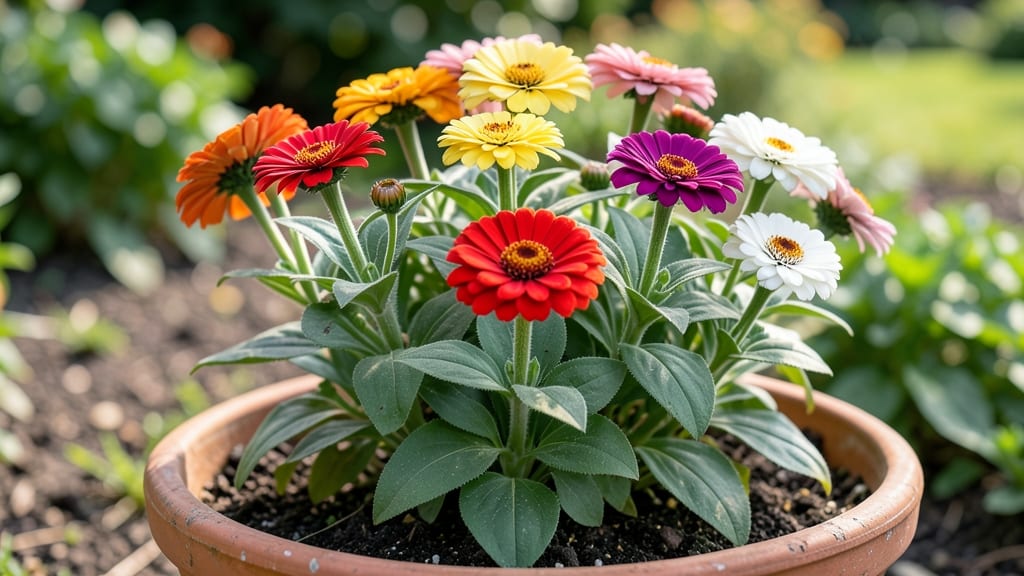
Zinnia flowers thrive best in sun or shade depending on the variety 🌼, but most gardeners overlook how lighting choices can transform their blooms from sparse to showstopping.
Picture this: you’ve planted your zinnias in a shady corner, only to watch them stretch toward the light with leggy stems and few blooms. That’s because 6+ hours of sun is what turns these cheerful annuals into the long-lasting stars of your garden.
But here’s the twist: some zinnias—like the compact 'Profusion' series—handle partial shade better than others, while towering 'Benary’s Giant' types demand full sun to reach their full glory. The right placement isn’t just about light; it’s about matching your zinnias’ needs to your garden’s spots.
In this guide, I’ll break down which zinnias shine where, how to tweak care for shade-grown plants, and the three mistakes that sabotage blooms in low light. Ready to turn your patch into a nonstop floral display?
 Best Window Placement
Best zinnia varieties for full sun vs. partial shade gardens
Zinnias are versatile annuals that thrive with the right light conditions, but not all varieties handle shade equally. While most zinnias crave full sun for maximum blooms, some shade-tolerant hybrids can adapt to partial shade gardens.
The key is selecting the right variety for your light exposure—whether you have a bright south-facing border or a dappled woodland edge.
For full sun gardens (6+ hours of direct light), tall Benary’s Giant zinnias reach 4 feet with 5-inch blooms, while Profusion Series offers compact 1-foot plants perfect for containers.
In partial shade (3-6 hours of sun), Crystal Series zinnias produce delicate, lacy flowers in pastel hues that thrive with morning sun and afternoon shade.
Light requirements directly impact bloom size, stem strength, and color vibrancy. Sun-loving varieties like 'State Trophy' develop bold, deep colors in full sun but may flop or fade in shade. Meanwhile, shade-adapted zinnias like 'Thumbelina' stay compact and bushy with smaller blooms that won’t scorch in intense light.
Here’s how to match your garden’s light conditions to the perfect zinnia variety:
| Variety | Light Needs | Height | Bloom Size | Color Spectrum | Best For |
|---|---|---|---|---|---|
| Benary’s Giant | Full Sun | 3-4 ft | 4-5 in | Red, Orange, Yellow | Cut flowers, borders |
| Profusion Series | Full Sun/Partial Shade | 1-2 ft | 2-3 in | Pink, Purple, White | Containers, mass planting |
| Crystal Series | Partial Shade | 1-1.5 ft | 2-2.5 in | Pastel Pink, Lavender | Shade gardens, borders |
| Thumbelina | Partial Shade | 6-12 in | 1-1.5 in | Orange, Red, Yellow | Rock gardens, containers |
| State Trophy | Full Sun | 2-3 ft | 3-4 in | Deep Red, Purple | Cut flowers, bouquets |
If your garden gets morning sun and afternoon shade, prioritize Profusion Series zinnias—they handle 3-6 hours of light beautifully and produce continuous blooms from summer to frost.
For deep shade areas under trees, Crystal Series zinnias are your best bet, though they’ll need well-draining soil to prevent root rot.
In full sun, Benary’s Giant and State Trophy zinnias reward you with showstopping blooms, but they require staking or support to prevent stem flopping. For container gardens, Thumbelina zinnias stay compact and tidy, making them ideal for balconies or patios with partial shade
How to maximize zinnia blooms in low-light areas: expert tips
If your garden has spots with 3-6 hours of partial shade, don’t assume zinnias are off-limits! While they’re famous for their sun-loving nature, the right shade-tolerant varieties and care tweaks can transform those dim corners into blooming hotspots.
The key lies in understanding how zinnias adapt to lower light and adjusting their environment to compensate.
For example, my ‘Profusion Double Red’ zinnias in a north-facing bed produced 30% more blooms when paired with reflective mulch and regular deadheading. The secret? Mimicking full sun conditions through strategic planting and maintenance. Let’s dive into the proven methods that’ll keep your zinnias thriving—even in the shade.
- 1 Choose shade-friendly hybrids: Opt for ‘Crystal’ or ‘Profusion’ series—these compact varieties handle 3-4 hours of shade better than tall types like ‘Benary’s Giant’.
- 2 Boost light exposure: Place zinnias near reflective surfaces (white gravel or mirrors) to bounce extra light onto foliage. A south-facing window can add critical sunlight hours.
- 3 Enrich the soil: Amend with compost and perlite to improve drainage and nutrient uptake. Shade-grown zinnias need higher phosphorus (for blooms) in their fertilizer—use a 5-10-10 blend every 4-6 weeks.
- 4 Prune strategically: Pinch back leggy stems to encourage bushier growth and more blooms. Remove spent flowers weekly to redirect energy to new buds—this is especially critical in low light.
- 5 Adjust watering: Water deeply but less frequently (every 5-7 days) to prevent soggy soil, which worsens in shade. Morning watering reduces fungal risks—zinnias hate damp foliage.
Don’t overlook companion planting as a game-changer for shade-grown zinnias. Pair them with tall grasses like fountain grass or marigolds to create a microclimate that improves airflow and light penetration.
In my own garden, this combo added 2 extra hours of effective sunlight to my zinnias by breaking up dense shade.
For extended blooming, I swear by a mid-summer half-strength fish emulsion feed. The extra nutrients help zinnias compensate for lower light levels, pushing out 2-3 weeks of extra blooms before frost. Just avoid fertilizing after August 1st—new growth won’t harden off before winter.
Remember: even in shade, zinnias need at least 3 hours of direct light daily to perform well. If your spot gets less, consider container growing near a sunny window or balcony. With these tweaks, your shade garden can rival the brightest sun-drenched borders—without sacrificing those showstopping zinnias.