
Planting
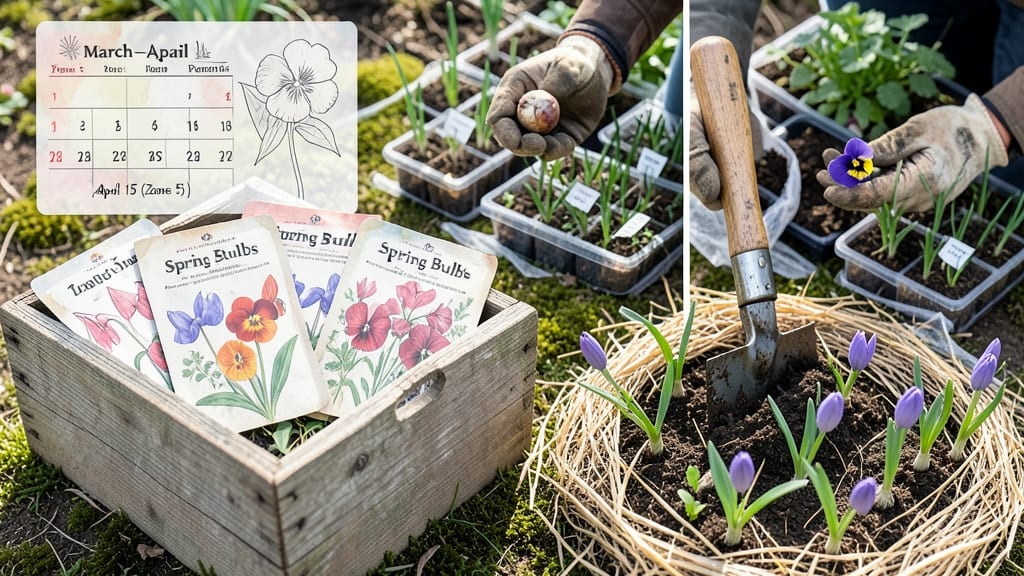
A Zone 5 flower planting schedule is your roadmap to a garden bursting with color—if you time it right, that is.
Picture this: You’ve just spent $20 on seeds, only to watch them freeze in the ground because you planted too early. Or worse, your 🌸 tulips bloom in late spring instead of early, leaving your yard bare when everyone else’s is in full swing.
The difference between these outcomes? Knowing exactly when to plant in Zone 5’s unpredictable climate.
Zone 5 (General) stretches from -10°F to -20°F, meaning frost can strike anytime between mid-April and mid-October. That’s why this schedule breaks down month-by-month deadlines—from bulbs that need a winter chill to annuals that can’t handle a late freeze.
No more guessing whether your March peonies or September cosmos will survive the next cold snap.
Below, I’ll walk you through the critical windows for every flower type, regional tweaks for early/late frost zones, and a foolproof checklist to keep your garden thriving—no matter what Mother Nature throws your way.

Zone 5 flower planting timeline: critical month-by-month deadlines
Getting your Zone 5 flower planting schedule right means the difference between a garden bursting with color and one struggling to survive winter. With last frost dates typically around April 15 and first frost arriving by October 15, timing is everything.
Whether you're planting annuals, perennials, or bulbs, knowing these deadlines ensures your flowers thrive year after year.
Zone 5 spans a wide range of climates, so I’ll include adjustments for northern vs. southern areas within the zone. For example, Zone 5a (colder) may have a later last frost (May 1), while Zone 5b (warmer) might see frost-free conditions by April 1.
Always check your local Almanac frost dates for precision.
Here’s your month-by-month Zone 5 planting timeline, broken down by flower type and critical deadlines you can’t miss. Mark these dates on your calendar now!
| Month | Flower Type | Planting Window | Key Deadlines | Notes |
|---|---|---|---|---|
| February | Bulbs (Tulips, Daffodils) | Start indoors | Plant outdoors by March 15 | 6-8 weeks before last frost |
| March | Perennials (Coneflowers, Lavender) | Early March (hardy types) | Soil work by March 15 | Avoid frost damage with mulch |
| April | Annuals (Marigolds, Petunias) | After last frost (April 15) | Direct sow by April 30 | Use row covers for late frosts |
| May | Tender Annuals (Geraniums, Impatiens) | Mid-May (after soil warms) | Transplant by May 15 | Wait for 55°F soil temps |
| August | Fall Bulbs (Crocus, Hyacinth) | Late August | Plant by September 1 | 6 weeks before first frost |
| September | Perennials (Black-Eyed Susans) | Early September | Divide by September 15 | Establish roots before winter |
| October | Spring-Planted Bulbs | Late October (if soil isn't frozen) | Cover by October 31 | Mulch heavily for winter |
For northern Zone 5 (e.g., Minnesota, Upstate New York), shift deadlines 1-2 weeks later due to colder soils. In southern Zone 5 (e.g., Kansas, Northern Virginia), you can plant 2 weeks earlier—just monitor soil temperatures with a soil thermometer.
Pro tip: Use row covers or a mini greenhouse to extend your spring planting window by
Best flowers to plant in Zone 5 by season: fastest blooms vs. long-term perennials
Zone 5 gardeners face a unique challenge: balancing fast blooms for instant color with long-term perennials that return year after year. The key? Strategic planting by season.
I’ve curated the top performers for each time of year—from cold-hardy annuals that survive late frosts to heat-resistant perennials that thrive through summer’s peak.
Spring is all about bulbs and early bloomers, while summer demands drought-tolerant annuals that won’t wilt in Zone 5’s heat. Fall planting sets up next year’s perennial powerhouses, and winter?
That’s when dormant bulbs do their magic underground. Let’s dive into the best picks for each season—and how to make them thrive.
Tulips 🌷, Daffodils 🌼, Pansies 🌸 – Plant bulbs 6-8 weeks before last frost (typically by October-November for spring blooms). For annuals like snapdragons, wait until after frost danger (mid-May in most of Zone 5).
Cosmos 🌻, Zinnias 🌺, Black-Eyed Susans 🌻 – These annuals and perennials thrive in full sun and dry soil. Sow seeds after last frost (June) or transplant early summer for continuous blooms.
Peonies 🌹, Coneflowers 🌼, Russian Sage 🌿 – Plant perennials in early fall (September) for established roots before winter. Avoid late fall planting—frost can damage tender roots.
Bulbs (tulips, crocuses) 🌱 – Let them chill in the ground (Zone 5’s cold is perfect!). Mulch perennials with 3-4 inches of straw to protect roots from freeze-thaw cycles.
For fastest blooms, prioritize annuals like cosmos—they’ll flower in 60-70 days from seed. But if you want low-maintenance color, perennials like coneflowers deliver years of blooms with minimal effort. Pro tip: Pair spring bulbs with summer annuals for a non-stop color show.
Zone 5’s unpredictable frosts mean timing is everything. For example, tulip bulbs planted in November will bloom in May, but if you wait until December, they might rot before spring. Similarly, fall-planted perennials need 6-8 weeks to root before winter sets in.
Don’t overlook regional tweaks: Northern Zone 5 (e.g., Chicago) has later last frosts (mid-May), while Southern Zone 5 (e.g., Kansas City) can plant 2 weeks earlier. Always check your local frost dates—they’re your garden’s best friend.