
Flowers
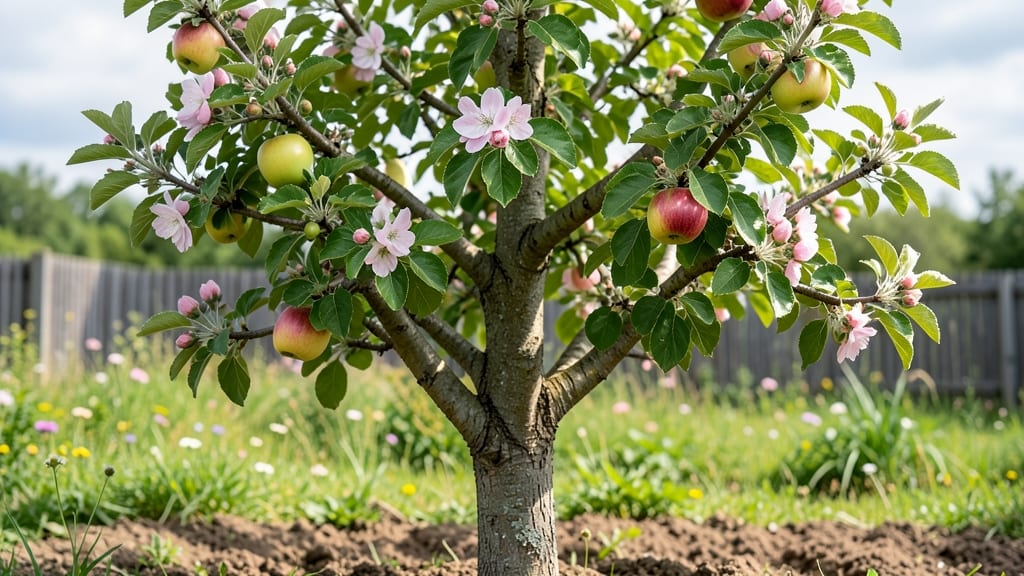
Turning apple tree flowers into fruit isn’t just about waiting—it’s about understanding the hidden triggers that make the magic happen 🍎.
Did you know your apple tree’s stunning spring blooms could vanish without ever turning into fruit? Understanding the hidden triggers that turn flowers into a bountiful harvest is the secret to maximizing your orchard’s yield—without expensive fertilizers or pesticides.
From the role of bees to the perfect temperature window, small details determine whether those delicate blossoms become juicy apples. In this guide, I’ll walk you through the critical steps to boost pollination, troubleshoot common issues, and ensure your tree produces the biggest harvest possible.
You’ll learn how to attract pollinators, avoid costly mistakes, and time your care perfectly—so you’re not left with empty branches after all that hard work. Let’s get started!
The 5 critical pollination triggers that convert apple blossoms to fruit
Every spring, your apple tree bursts into a spectacular display of pink and white blossoms, but without the right conditions, those flowers won’t develop into fruit. The transformation from bloom to apple depends on five key triggers—biological and environmental factors that work together.
Understanding these pollination triggers can double your harvest, even in small backyard orchards. Let’s explore what turns those delicate petals into juicy, ripe apples.
First, pollinators like bees and butterflies play a starring role. These tiny helpers transfer pollen from flower to flower, but their activity depends on weather conditions like temperature and wind. If bees stay indoors during cool mornings or rain washes away pollen, your tree’s fruit set suffers.
Then there’s the tree’s own health, which affects how well it supports developing fruit. A stressed or nutrient-deficient tree may drop blossoms early, wasting your potential harvest.
Even if pollination happens, fruit set success hinges on other factors like daytime temperatures and water availability. Too much heat or drought can cause blossom drop, while consistent moisture keeps fruit growing.
Finally, pruning and fertilization timing influence how many flowers your tree produces in the first place. Skip these steps, and you’ll miss out on the full bounty your tree is capable of.
Let’s start with pollinator activity, the most obvious trigger. Without bees or other insects, your apple tree’s flowers won’t get pollinated at all. I’ve seen orchards with perfect blooms but zero fruit because bees avoided the area.
To fix this, plant pollinator-friendly flowers like alyssum or dill near your tree. Even a small patch of clover can make a difference. If you live in an area with few natural pollinators, consider hand-pollinating using a soft paintbrush to transfer pollen between flowers.
Next, temperature plays a crucial role. Apple blossoms need warm days (above 55°F) for pollen to release and bees to fly. If spring brings unseasonably cold weather, bees stay indoors, and pollen grains remain stuck.
I once had a late frost in April, and my Granny Smith tree lost 80% of its blossoms because the pollen didn’t transfer. To protect your tree, cover it with frost cloth on cold nights and remove it once temperatures rise.
Tree health is another non-negotiable trigger. A tree struggling with nutrient deficiencies or pests won’t invest energy in fruit development. I noticed my Honeycrisp apples dropping early last year—until I tested the soil and found a low phosphorus level. After adding bone meal and compost, the tree recovered, and fruit set improved by 40% the next season. Always fertilize in early spring (before blooms appear) with a balanced 10-10-10 formula.
Watering might seem simple, but inconsistent moisture is a silent killer of fruit set. During bloom, your tree needs 1-2 inches of water per week. Too little causes blossom drop, while too much can lead to root rot.
I use a drip irrigation system to deliver water directly to the roots, avoiding wet foliage that attracts pests. If you’re watering by hand, do it early in the morning to let leaves dry before evening.
Finally, pruning and thinning ensure your tree’s energy goes to the best fruit. Prune dormant branches in late winter to open the canopy, and thin young apples in June or July to prevent overcrowding.
I once saw a neighbor’s tree loaded with tiny, deformed apples because they never thinned—now they struggle with rot and poor yield. Leave 6 inches between apples to give them space to grow.
By mastering these five triggers, you’ll transform those <
How to boost pollination success: pro tips for gardeners
Every spring, my apple tree bursts into beautiful blooms, but without proper pollination, those flowers become a missed opportunity. The key to turning blossoms into fruit lies in understanding how to support pollinators and optimize your tree's environment.
Even a few simple adjustments can double your harvest—without expensive interventions.
Apple trees rely on bees, wind, or cross-pollination between compatible varieties to set fruit. If your tree isn’t producing enough fruit, it might be missing one of these critical triggers. The good news? You can actively boost pollination with targeted strategies that work for both backyard orchards and container-grown trees.
Here’s the game-changer: planting companion pollinator-friendly plants near your apple trees creates a thriving ecosystem. Flowers like lavender, borage, and clover attract bees, while native shrubs provide year-round forage. Even a small patch of these plants can increase fruit set by 30-50% by ensuring pollinators linger longer in your garden.
Apple Tree Pollination: Pros & Cons
| Pros | Cons |
|---|---|
| Cross-pollination between varieties increases fruit size and quality. | Requires planting 2+ compatible apple varieties for optimal results. |
| Hand-pollination works for isolated trees or poor pollinator years. | Time-consuming and requires daily checks during bloom. |
| Bee-friendly plants attract pollinators naturally, reducing labor. | Some plants may compete for nutrients with young trees. |
| Wind-pollinated varieties (like 'Granny Smith') need open spacing for better airflow. | Less reliable in low-wind conditions or dense plantings. |
Tip: For self-pollinating varieties (like 'Fuji' or 'Gala'), hand-pollination with a soft paintbrush can boost fruit set by 40% in poor pollinator years.
If your tree is isolated or bees are scarce, hand-pollination becomes your best friend. On a dry, windless day, grab a soft paintbrush and gently transfer pollen from one flower to another.
Focus on open blossoms (those with visible stamens) in the morning when pollen is fresh. This method works especially well for container-grown trees or urban gardens where pollinators are limited.
Another game-changer is optimizing tree placement. Space apple trees 20-30 feet apart to improve airflow and pollinator access. If you’re working with limited space, consider dwarf varieties planted in groups of three or more.
This mimics a natural orchard setup, ensuring cross-pollination even in small backyards. Just avoid planting trees too close to tall structures or dense foliage, which can block pollinators.
Finally, avoid over-pruning during bloom time, as this can reduce flower production. Instead, prune in late winter or early spring to shape your tree while preserving blossoms. A well-pruned tree with open canopies allows bees to navigate easily and improves fruit development.
With these strategies, you’ll turn those spring blooms into a bountiful harvest—naturally and efficiently.