
Blooming
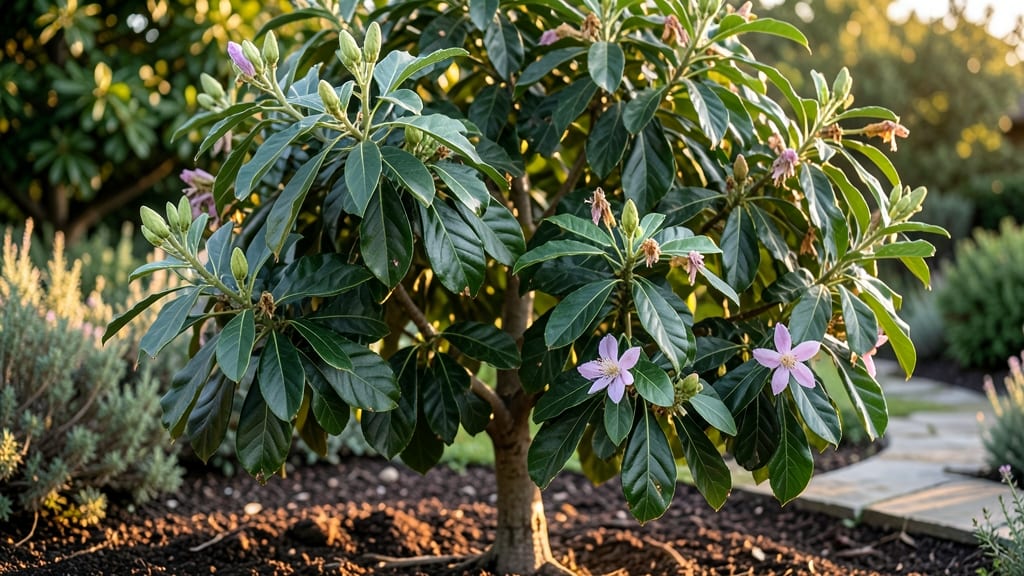
The avocado flower stages determine whether your tree will bear fruit—or just pretty blooms that drop to the ground.
Struggling to tell when your avocado tree is ready for pollination? Missing just one stage could mean fewer (or no) fruits this season—here’s how to spot each phase with confidence. Whether your 🥑 is indoors or thriving in USDA zones 9b-11, recognizing the right moment makes all the difference.
From tiny buds to fallen petals, each stage reveals clues about pollination readiness. You’ll learn to identify healthy flowers, avoid common mistakes, and even hand-pollinate if nature isn’t cooperating. No more guessing—just clear, actionable steps to turn blooms into fruit.
By the end, you’ll know exactly when to intervene, how to encourage natural pollinators, and what to watch for in the weeks after flowering. Let’s get your avocado tree on the path to harvest.
5 Key stages of avocado flower development and how to identify them
Understanding the avocado flower stages is essential for maximizing fruit production in your home garden. Avocado trees produce both type A and type B flowers, which bloom at different times—even on the same tree!
Recognizing each stage helps you time pollination for the best harvest. Let’s break down what to look for at every step.
First, avocado flowers appear in clusters called inflorescences. These tiny buds start small and green, then transform through distinct phases. Missing even one stage can reduce your fruit yield significantly.
The key is observing bud size, color changes, and the presence of scent—all critical clues for pollination timing.
| Stage | Visual Cues | Size/Color | Scent | Pollination Readiness |
|---|---|---|---|---|
| Bud Formation | Tiny green buds appear in clusters | 0.1–0.2 inches, bright green | None | Not ready |
| Early Blooming | Buds swell, petals begin to separate | 0.2–0.3 inches, pale green/yellow | Mild sweetness | Partial readiness |
| Full Blooming | Petals fully open, stamens visible | 0.3–0.5 inches, white/purple | Strong sweet fragrance | Peak readiness |
| Pollen Release | Stamens release yellow pollen | 0.4–0.6 inches, white/purple | Strongest scent | Optimal for pollination |
| Post-Flowering | Petals fall, small fruit forms | Fruit: 0.5–1 inch, green | None | Pollination complete |
In the bud formation stage, you’ll spot tiny green buds clustered along the branches. These buds are still closed and lack any scent, signaling they’re not yet ready for pollination.
Patience is key—rushing this stage can stress your tree. Use a magnifying glass to inspect the clusters if they’re hard to see with the naked eye.
Next comes the early blooming stage, where buds begin swelling and petals start to separate. The color shifts from bright green to pale yellow or greenish-white. This is when you’ll detect a mild sweet scent, a sign the flowers are waking up.
However, they’re only partially receptive to pollination at this point, so timing is everything.
The full blooming stage is the most critical for pollination. Flowers are now fully open, with visible stamens and stigmas. The scent becomes strong and sweet, attracting pollinators like bees.
This is your window to act—whether you’re encouraging natural pollinators or manually transferring pollen. Miss this stage, and you risk fewer fruits.
During the pollen release stage, stamens release yellow pollen, making flowers look dusty. This is the peak receptivity period for pollination. If you’re hand-pollinating, use a soft brush to transfer pollen from one flower to another.
The strong scent here ensures pollinators are drawn in, but indoor growers may need to step in.
Finally, the post-flowering stage marks the end of the cycle. Petals fall, and tiny green fruits begin forming. At this point, pollination is complete, and your focus shifts to supporting fruit development. Remove any aborted fruit (small, shriveling fruits) to redirect the tree’s energy to healthy ones.
Pro tip: Keep a pollination journal to track which stages appear each year. Note the timing of scent changes and pollen release—this helps you predict the best weeks for manual intervention. For indoor trees, place a small fan near the flowers to mimic wind pollination and improve pollen transfer.
🌱 Understanding these stages ensures you don’t miss the optimal pollination window, giving your avocado tree the best chance to produce a bountiful harvest. Next, we’ll dive into how to assess flower health and avoid common pollination mistakes.
How to tell if your avocado flowers are pollination-ready (with common mistakes)
Avocado flowers are delicate and short-lived, so timing your pollination efforts is everything. If you miss the optimal 24-48 hour window when flowers are receptive, you’ll end up with dropped blooms instead of fruit.
The key is spotting open stamens and receptive stigmas—two critical signs that often get overlooked by gardeners eager to help their trees.
Start by examining the flower clusters (called inflorescences) that appear in late winter or early spring. Healthy flowers will have bright purple or greenish-yellow petals and a sweet, musky scent.
These cues signal the flower is nearing its peak receptivity, but don’t assume all blooms in a cluster are ready—some may still be closed or immature.
⚠️ callout-warning ⚠️
⚠️ Critical Mistake: Pollinating Closed Flowers
Avocado flowers only release pollen after opening fully. Attempting to pollinate closed buds wastes time and can damage delicate stamens. Wait until at least 50% of stamens are exposed before intervening.
🔹 Pro Tip: Use a hand lens (10x magnification) to check for open anthers (pollen-bearing parts) that appear yellow or orange.
Once flowers open, focus on the stamens and stigma. The stamens (male parts) will have visible pollen sacs that look like tiny yellow dust bags. The stigma (female part), located at the center, should appear slightly swollen and sticky—this is its receptive phase.
If the stigma looks dry or shrunken, the flower has passed its prime.
Another common mistake is ignoring flower drop. After pollination, many avocado flowers will naturally fall off—this isn’t a failure. Only about 10-20% of pollinated flowers will develop into fruit. Keep an eye out for small green fruit forming within 2-3 weeks after the flowers drop.
If no fruit appears, you may need to hand-pollinate again or check for pest interference.
Pests like avocado lace bugs or spider mites can damage flowers before pollination occurs. Inspect the undersides of leaves and flower clusters for tiny black specks (frass) or fine webbing.
If you spot these signs, treat immediately with neem oil before the flowers open. Even a single infestation can reduce your tree’s fruit yield by 50% or more.
Finally, avoid pruning during flowering season. Pruning stresses the tree and can trigger premature flower drop. If you must prune, do so 3-4 weeks before flowers appear to minimize stress. Focus on removing only dead or diseased branches and avoid heavy trimming until after the harvest season.