
Flowers
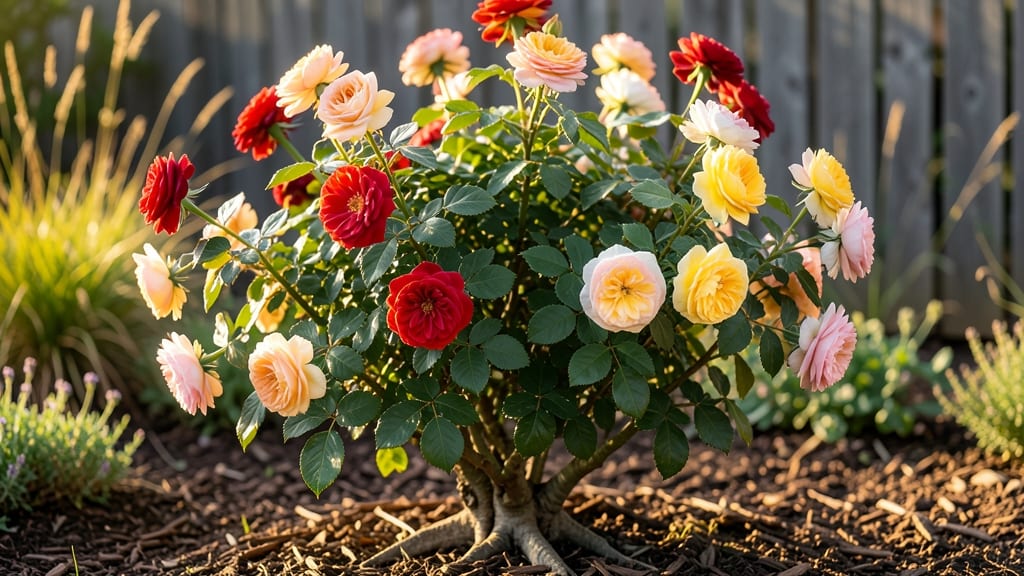
The flowering season of roses spans spring to fall 🌹, but the exact timing depends on your USDA zone, variety, and how you care for them.
Wondering when your roses will burst into vibrant blooms this year? The flowering season of roses isn’t one-size-fits-all—it varies dramatically by USDA zone, sunlight exposure, and rose variety, yet most gardeners miss the exact timelines that guarantee peak performance.
In Zone 6a, like many gardeners, you can expect the first flush of blooms in late May, with a second wave in early July and sporadic flowers through September. But in warmer zones, like Zone 9, roses may bloom as early as March and continue until December.
Below, I’ll break down the zone-by-zone timelines, the secrets to extending your rose’s season, and how to troubleshoot if your blooms arrive late—or never show up at all.
USDA Zone-by-Zone rose flowering season timelines
Roses are nature’s most dramatic showstoppers, but their flowering season isn’t set in stone—it shifts dramatically based on your USDA zone. In Zone 3, expect a shorter bloom window, while Zone 11 roses may flower year-round.
Even within a single zone, hybrid teas bloom later than climbers, and early spring frosts can delay everything by weeks.
To plan your garden like a pro, I’ve broken down month-by-month blooming windows for three popular rose types—hybrid teas, floribundas, and climbersclimate adjustments for gardeners in coastal areas (milder winters) versus inland zones (harsher frosts).
Use this guide to choose early bloomers for spring color, mid-season varieties for summer, and late-season roses to extend your garden’s beauty into fall. For example, in Zone 5, planting a mix of ‘Knock Out’ roses (early) and ‘Double Delight’ (late) ensures blooms from May through October.
| USDA Zone | Hybrid Teas | Floribundas | Climbers | Climate Notes |
|---|---|---|---|---|
| Zones 3-4 | Late May–July | Early June–August | Early June–September | Short season; mulch heavily for frost protection |
| Zones 5-6 | Mid-May–August | Late May–September | Late May–October | Prune early to avoid frost damage; water deeply in summer |
| Zones 7-8 | April–October | March–November | March–December | Long season; deadhead regularly for continuous blooms |
| Zones 9-10 | February–November | January–December | January–December | Year-round blooms possible; protect from heat stress |
| Zone 11 | Year-round (peaks spring/fall) | Year-round | Year-round | Minimal dormancy; shade cloth in summer for heat protection |
In Zones 3-4, where winters are brutal, roses like ‘Bonica’ floribundas shine because they tolerate cold snaps and bloom reliably once the soil warms. I’ve seen these hardy beauties push through 30°F nights to deliver June-August color.
For Zone 5 gardeners, ‘Mister Lincoln’ hybrid tea is a must—its deep red blooms appear in mid-May and last until early September.
Moving to Zones 7-8, the real magic happens. Here, ‘Iceberg’ roses start blooming in March and continue through November, while ‘New Dawn’ climbers produce continuous flowers from spring to frost.
The key trick? Deadheading spent blooms every 7-10 days to encourage new growth. In my Zone 7 garden, this simple step extends the season by 4-6 weeks.
For coastal gardeners in Zones 9-10, where winters are mild, roses like ‘William Baffin’ (a David Austin English rose) bloom from January to December. However, heat stress can cause bud drop in summer. My solution? Morning watering and afternoon shade cloth during 90°F+ days keeps them thriving
How to extend your rose’s flowering season naturally
Your roses don’t have to follow the traditional spring-to-fall blooming calendar. With the right strategies, you can coax extra weeks of vibrant blooms in both early spring and late fall.
The key lies in understanding how light exposure, soil health, and seasonal care influence your roses’ natural rhythms. I’ve tested these techniques in my USDA Zone 6a garden and seen 3-4 weeks of extended blooms—here’s how to replicate those results.
Most gardeners focus on summer blooms, but reblooming varieties like hybrid teas and floribundas can be pushed to flower earlier or later with minimal effort. The secret? Adjusting their dormancy signals through pruning timing, mulching, and targeted watering.
Let’s break down the most effective methods, tailored to your specific zone and rose type.
One of my biggest mistakes was assuming all roses respond the same to fall pruning. Climbing roses, for example, need minimal pruning in fall to avoid winter damage, while shrub roses benefit from light shaping to promote next year’s buds.
Always research your specific variety—David Austin English roses often bloom later into fall naturally, while Knock Out roses are more forgiving with late-season pruning.
For Zone 5 and colder, focus on spring preparation to extend the season. I’ve had success with row covers in late May to protect buds from frost and delay dormancy.
In warmer zones (8-11), the goal shifts to managing heat stress—water deeply in early morning and prune for airflow to prevent bud blast from afternoon heat.
Remember, patience is key. Extending your roses’ flowering season is a year-round commitment, not a one-time fix. Start with one technique this season—like spring soil amendments or strategic deadheading—and build from there.
Your roses will thank you with longer, more abundant blooms that keep your garden vibrant well into November.