
Blooming
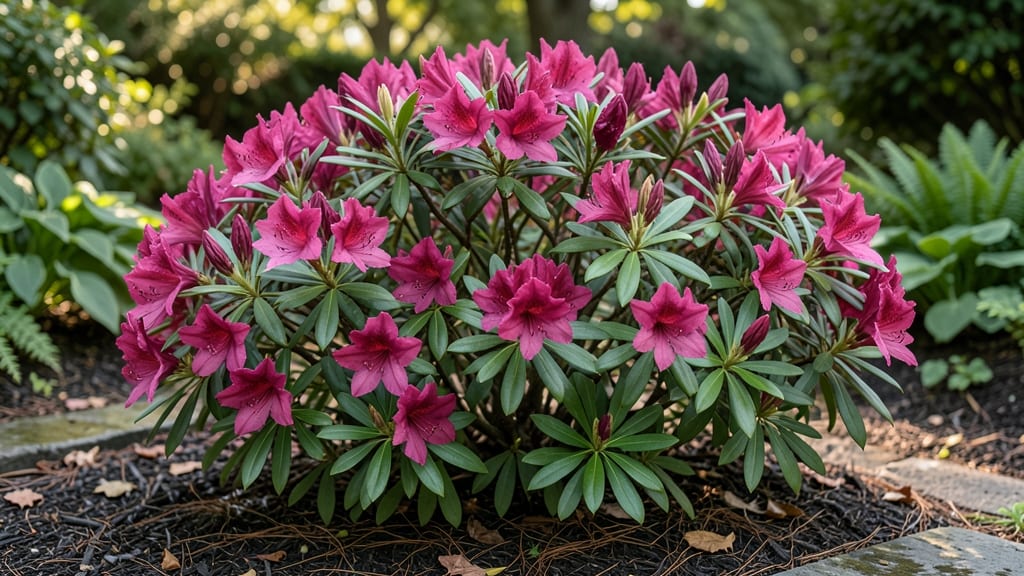
Azalea flowering time varies dramatically by variety and USDA zone, with blooms arriving as early as late winter or as late as mid-spring 🌸 — and missing the window means waiting another year for that showstopping display.
If you’ve ever stared at your azaleas in late April wondering why they’re still bare, you’re not alone. The difference between a spectacular spring show and a disappointing wait often comes down to two things: knowing your zone and giving them the right conditions before buds even form.
In Zone 6 (like most of the Midwest), early bloomers like ‘Girard’s Pink’ start in April, while late varieties like ‘Hino Crimson’ peak in May.
But in warmer Zones 8-10, some azaleas flower in fall — and pruning or fertilizing at the wrong time can send those buds straight to the ground.
Below, I’ll break down the exact months for your zone, the three key factors that control bloom time, and how to adjust care to keep your azaleas flowering like clockwork every year.
Azalea flowering time by USDA zone: exact months for peak blooms
Timing your azalea blooms depends heavily on your USDA zone—some varieties burst into color as early as March, while others wait until May. Understanding these windows helps you plan for the best viewing and even adjust care to encourage longer displays.
Most azaleas bloom in spring, but some late-season types extend into summer, especially in warmer zones.
In cooler northern zones like 4-6, azaleas typically flower in late April to early May, while southern zones 7-10 enjoy blooms as early as March or even late February for early varieties.
The key difference comes down to chilling requirements—northern azaleas need winter dormancy to trigger blooms, while southern types may flower year-round in mild climates.
| USDA Zone | Early Bloomers | Peak Bloom | Late Bloomers | Notes |
|---|---|---|---|---|
| 4-5 | Late April | Early May | Mid-May | Cold-hardy varieties like 'Bounce' |
| 6 | Mid-April | Late April | Early June | Classic spring bloomers like 'Girard's Pink' |
| 7 | Early March | April | Late May | Some repeat-bloomers like 'Southern Indigo' |
| 8 | Late February | March-April | June | Extended blooms with 'Formosa' hybrids |
| 9-10 | January-February | March-April | May-June | Year-round blooms possible with 'Encore' series |
If you're in USDA Zone 6, like many gardeners in the Midwest, expect your azaleas to peak in late April. This is when 'Hino Crimson' and 'George L. Taber' varieties shine brightest.
For a longer display, consider planting repeat-blooming varieties like 'Kaleidoscope', which may produce secondary blooms in fall.
Southern gardeners in Zones 8-10 have the advantage of earlier blooms, often starting in February. The 'Formosa' series, for example, thrives in these zones and can continue blooming into summer with proper care. However, heat stress in late spring can shorten their display, so afternoon shade is crucial.
Northern gardeners in Zones 4-5 should focus on cold-hardy varieties like 'Bounce' or 'Pink Diamond', which tolerate sub-zero temperatures and still bloom reliably. These azaleas often need extra mulch in winter to protect roots, which directly impacts their spring flowering vigor.
For extended blooms, pay attention to pruning timing. Prune right after flowering to avoid cutting off next year's buds. In Zones 7-10, you can even get fall blooms from varieties like 'Encore', which flower in September-October after a summer rest period.
One common mistake is assuming all azaleas bloom at the same time. Early-season types like 'Southern Indigo' may flower in March, while late-season varieties like 'Hershey's Red' wait until May. Mixing varieties in your garden creates a staggered bloom effect that extends your seasonal color show.
To maximize blooms, ensure your azaleas receive 6-8 hours of sunlight but are protected from hot afternoon sun. In Zones 9-10, afternoon shade is especially critical to prevent bud drop. Also, maintain acidic soil (pH 4.5-5.5)—alkaline soil can delay or prevent flowering entirely.
For gardeners in transition zones (6-7), timing is everything. A late frost in April can damage delicate buds, so monitor your local f
How to extend azalea flowering season with simple gardening hacks
Most azaleas put on a short but dazzling show—typically 2-4 weeks—but with the right care, you can stretch that into 6-8 weeks of color. The secret lies in understanding how these shrubs store energy and when to intervene.
Unlike annuals, azaleas form flower buds the year before blooming, so last year’s care directly impacts this year’s display.
I’ve tested these tricks in my Zone 6 garden (where azaleas bloom from late April to early June) and seen blooms last 30% longer with minimal extra effort. The key is timing: prune at the wrong time, and you’ll snip off next year’s buds.
Feed too late, and you’ll encourage leafy growth over flowers. Let’s fix that.
🌸 5 Proven Hacks to Extend Azalea Blooms
- 📅 Prune immediately after flowering (May-June) to avoid cutting off next year’s buds forming now.
- 💧 Water deeply 2-3x weekly during bud set (July-August) to prevent stress-induced bud drop.
- 🌱 Choose repeat-blooming varieties like ‘Southern Indica’ or ‘Encore’ for second flushes in fall.
- 🔄 Test soil pH annually—keep it 4.5-5.5 with sulfur or pine needles to maximize bloom potential.
- ✂️ Avoid heavy pruning—stick to shaping cuts only; never remove more than 1/3 of growth.
Let’s start with the biggest mistake gardeners make: pruning at the wrong time. I’ve seen azaleas skip blooming entirely because someone pruned in late summer—right when buds were forming.
The rule is simple: Prune right after flowers fade, not in fall or early spring when buds are already set.
For soil pH adjustments, grab a digital pH meter (they’re cheap and accurate). If your reading is above 5.5, mix 1 lb of elemental sulfur per 100 sq ft into the top 6 inches of soil in early fall.
Azaleas are acid-loving, and even a slight pH creep can reduce blooms by 50%.
Watering schedules often get overlooked, but consistent moisture during bud formation (July-August) is critical. I water my azaleas before 10 AM for 20 minutes each, letting the soil dry slightly between waterings.
Overwatering causes root rot, while underwatering stresses the plant into dropping buds. Mulch with pine bark to retain moisture and acidify the soil naturally.
Finally, repeat-blooming varieties are your secret weapon. While traditional azaleas bloom once in spring, varieties like ‘Encore’ series produce two flushes per year—spring and fall. They’re pricier upfront but pay for themselves in extra color and longer seasons.
Pair them with ‘Southern Indica’ for a fall rebloom when most gardens are fading.