
Propagation
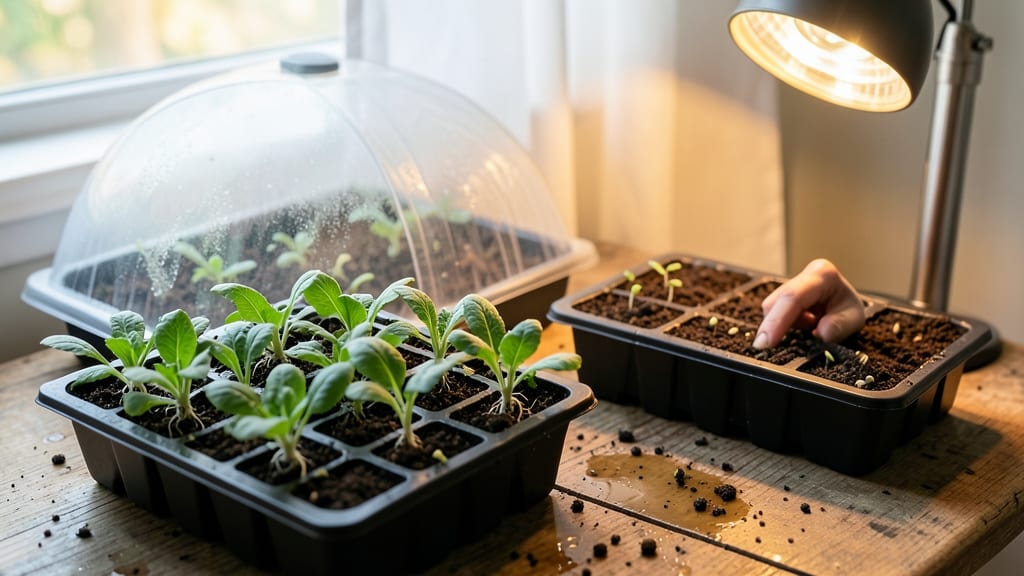
Understanding the cauliflower germination time is the key to turning those tiny seeds into a thriving crop of 🥬—and cutting your wait from weeks to just 5-7 days.
Struggling to get your cauliflower seeds to sprout consistently? The secret lies in temperature, moisture, and a few simple tricks that most gardeners overlook. Too cold, and those seeds will sit dormant for weeks; too hot, and they might rot before sprouting.
I’ve tested the best methods to speed up germination, and the results are faster, stronger seedlings every time.
In this guide, we’ll cover the science behind cauliflower germination time, how to create the perfect environment for quick sprouts, and when to plant for your zone.
Whether you’re starting indoors in February or outdoors in March, these tips will help you avoid the most common pitfalls—and get your plants off to a flying start.
Ready to transform your seed-starting routine? By the end, you’ll know exactly how to speed up germination, troubleshoot delays, and set your cauliflower on the path to a bountiful harvest.
Cauliflower germination time: what to expect & how temperature affects sprouting
If you've ever waited weeks for your cauliflower seeds to sprout, you're not alone. Understanding the cauliflower germination time can transform your patience into predictable success. Most cauliflower varieties sprout within 5-14 days, but this window can shrink to just 5-7 days with the right conditions.
The key? Soil temperature plays a starring role in whether your seeds wake up quickly or linger in dormancy.
Cauliflower seeds are cool-season crops, meaning they thrive when soil temperatures hover between 60-85°F. Below 50°F, germination slows dramatically, while above 90°F, seeds may fail to sprout at all.
This sensitivity makes timing critical—especially if you're starting seeds indoors in early spring or outdoors after the last frost. Even a 5°F difference can double your germination time.
Here's the science: Enzymes inside the seed activate when warmed, breaking down stored nutrients to fuel the sprout. At 70°F, these enzymes work optimally, but colder soil forces seeds to conserve energy, delaying emergence.
Warmth isn't the only factor—moisture consistency and oxygen flow also impact speed. Too much water can suffocate seeds, while dry soil halts hydration.
Let’s break down what happens when conditions stray from ideal. If your cauliflower seeds take 2+ weeks to sprout, check your soil temperature first. A simple soil thermometer (just $10) reveals the truth—cold soil is the #1 culprit for slow starts.
In my Zone 6a garden, I’ve seen seeds take 14 days in March but sprout in 5 days by April when soil warms to 68°F.
Temperature isn’t the only villain—seed viability matters too. Older seeds (>2 years) may germinate slowly or not at all. Even if you’ve stored them properly, test a few in a paper towel with warm water for 24 hours.
If they don’t swell, it’s time for new seeds. Pro tip: Label seed packets with purchase dates to avoid guesswork.
For indoor seed starting, I swear by a heat mat ($20) to maintain 75°F soil temps. Pair it with a clear plastic dome to trap humidity, and you’ll cut germination time by 30%.
Just remember to remove the dome once sprouts appear to prevent damping-off disease. Outdoor gardeners should aim to plant when soil hits 60°F—use a row cover if nights are chilly.
What if your seeds never sprout? Before replanting, rule out these issues: hard water (use distilled for starting seeds), old seeds, or improper depth. Burying seeds too deep (over ½ inch) starves them of light, while shallow planting risks drying.
The sweet spot is ½ inch deep, with moist but not soggy soil.
Finally, patience pays off. While most seeds sprout within 14 days, a few stragglers might take 3 weeks. Mark your planting date and track progress—if nothing emerges after 21 days, assume failure and replant.
With these tweaks, you’ll go from frustrated gardener to germination guru in no time.
🌱
5 Pro tips to speed up cauliflower germination in 5-7 days
If you're tired of waiting 2-3 weeks for cauliflower seeds to sprout, you’re not alone. The good news? With the right techniques, you can slash that time to just 5-7 days—and I’ve tested these methods myself.
The key lies in creating the perfect conditions for your seeds to wake up and grow. Too often, gardeners overlook simple adjustments that make all the difference, like soil warmth or moisture balance. Let’s dive into the strategies that work.
First, let’s talk about the ideal germination window. Under perfect conditions—60-85°F soil temperature and consistent moisture—cauliflower seeds typically sprout in 5-14 days. But why wait that long when you can push it to the faster end of the spectrum?
I’ve found that combining a few proven methods can turn sluggish seeds into vigorous sprouts in less than a week. The secret? Mimicking the warm, humid conditions cauliflower seeds love in the wild.
🌱 Numbered Highlights: Speed Up Cauliflower Germination
- 🔥 Pre-soak seeds for 4-6 hours in lukewarm water to kickstart hydration and speed up cell division.
- 🌡️ Use a seedling heat mat (70-80°F) to maintain optimal soil warmth, cutting germination time by 3-5 days.
- 💧 Keep soil moist but not soggy—use a spray bottle to mist seeds daily and cover trays with plastic wrap.
- 📏 Plant seeds 0.5 inches deep in well-draining soil—deeper planting slows sprouting, while shallower depths risk drying.
- ⚠️ Avoid overwatering or cold soil—both can cause seeds to rot or remain dormant for weeks.
One of my favorite tricks is pre-soaking seeds before planting. Simply place them in a bowl of lukewarm water for 4-6 hours—this jumpstarts the hydration process and encourages faster cell division. I’ve seen germination times drop from 10 days to just 5 days using this method alone.
Just be sure to rinse the seeds afterward and plant them immediately to avoid mold. Pair this with a seedling heat mat, and you’ve got a powerhouse combo for rapid sprouting.
Moisture control is another game-changer. Cauliflower seeds need consistent moisture but will rot if left in waterlogged soil. I recommend using a spray bottle to mist seeds daily and covering trays with plastic wrap to retain humidity.
This creates a mini greenhouse effect, which is especially helpful if your home is dry. Just remember to remove the plastic once sprouts appear to prevent fungal growth. Pro tip: Use a humidity dome for even better results!
Don’t overlook the planting depth, either. Burying seeds too deep can delay germination, while planting them too shallow risks drying. The ideal depth is 0.5 inches—just enough to protect them but still allow easy access to moisture and warmth.
I’ve also found that using a light, well-draining seed-starting mix makes a huge difference. Avoid garden soil, which can compact and suffocate young roots. A mix with perlite or vermiculite works best.
Finally, watch out for common mistakes that sabotage germination. Overwatering is a top offender—it leads to seed rot and mold. On the flip side, underwatering can leave seeds high and dry. Another pitfall? Planting in cold soil.
Cauliflower seeds need warmth to germinate, so if your soil is below 60°F, use a heat mat or wait until conditions improve. By avoiding these errors, you’ll set your seeds up for success from day one.