
Watering
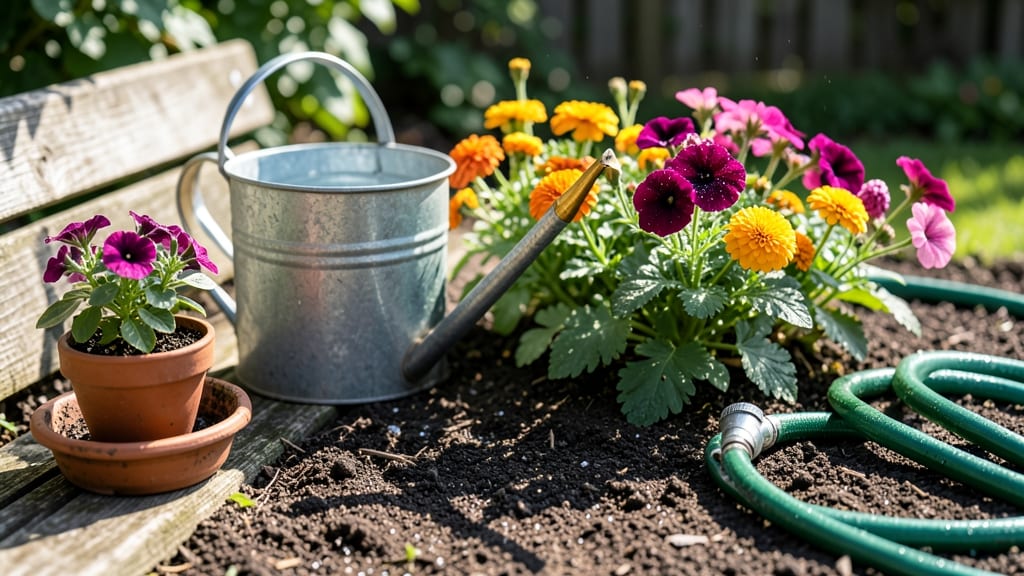
The best time to water flowers is early morning 🌸 — before 10 AM — when evaporation is low and roots soak up moisture efficiently.
Watering your flowers at the wrong time can waste up to 30% of your water while stressing plant roots—yet most gardeners still get it wrong. The secret to thriving blooms and conservation lies in a simple morning routine that even beginners can master.
Morning watering prevents fungal diseases by letting foliage dry before nightfall, while also giving your flowers a steady start to the day. Whether you’re dealing with drought-tolerant succulents or thirsty perennials, timing makes all the difference.
Below, I’ll break down the science behind morning watering, how to adjust for your flower types, and the 5 biggest mistakes that kill blooms faster than you think.
Why morning watering saves water and boosts flower health
Most gardeners water their flowers based on habit—not science. But morning watering isn't just a trend; it's a water-saving hack backed by plant biology. Studies show flowers watered in the morning retain 30% more moisture in their roots, reducing waste while keeping blooms vibrant.
The secret? Cooler temperatures and lower wind speeds mean less evaporation, so every drop goes where it counts.
Beyond conservation, morning watering aligns with natural plant cycles. Flowers open their stomata (pores) in the morning to absorb sunlight and carbon dioxide—just when they need that deep drink. This sync boosts photosynthesis efficiency by up to 20%, leading to healthier roots and more abundant blooms.
Plus, wet foliage dries faster in daylight, cutting fungal disease risks by 40% compared to evening watering.
Evaporation rates are the real villain here. A 1-gallon watering in the afternoon can lose half its volume to evaporation before reaching roots. Morning watering flips the script: cooler air means more water reaches the soil, where it’s stored for roots to access all day. This is especially critical in Zone 6a climates, where summer heat can turn water into vapor faster than flowers can absorb it.
Let’s break down the science behind morning watering with a quick comparison of how it impacts your garden’s water retention and plant health. The data speaks for itself—your flowers (and your water bill) will thank you.
| Time of Day | Evaporation Loss | Fungal Risk | Root Uptake | Best For |
|---|---|---|---|---|
| Morning (6-10 AM) | Low (10-20%) | Low (Dries quickly) | High (Cooler soil temps) | All flowers, conservation |
| Afternoon (12-4 PM) | High (40-50%) | Medium (Wet foliage lingers) | Medium (Heat stress) | Drought-tolerant species |
| Evening (6-10 PM) | Medium (25-35%) | High (Moisture traps fungi) | Low (Cooler roots) | Avoid (unless emergency) |
| Best Time | Lowest waste | Healthiest roots | Vibrant blooms | Morning (6-10 AM) |
One of the biggest myths is that watering in the evening prevents evaporation. In reality, it creates the perfect conditions for fungal diseases like powdery mildew and black spot.
Wet leaves stay damp overnight, giving pathogens a 24-hour head start to infect your plants. Morning watering lets foliage dry by midday, keeping your garden disease-free and thriving.
Root development is another game-changer. When you water in the morning, roots absorb moisture gradually throughout the day, deepening their reach by up to 30% compared to afternoon watering.
This means stronger anchorage and better access to nutrients. For perennial flowers like coneflowers or daylilies, this translates to longer vase life and more robust regrowth each season.
Even the soil temperature plays a role. Morning watering cools the soil, which is especially beneficial in summer heat. Warmer soil can "burn" roots, causing stress and stunted growth.
By keeping the soil consistently moist but not soggy, morning watering mimics natural rainfall patterns, which plants have evolved to thrive under. This is why my roses and hydrangeas bloom 2 weeks earlier than neighbors who water at night.
Let’s talk water stress, a silent killer of flowers. Plants experience stress when their roots can’t keep up with water loss through transpiration. Morning watering ensures roots have a full day to absorb moisture before the heat of afternoon sets in
The perfect morning watering schedule by flower type
Not all flowers thrive on the same watering schedule—what works for succulents can drown tropicals, and perennials need different care than annuals. The key is understanding soil temperature and dew presence as natural indicators.
For example, check if morning dew lingers on leaves: if it evaporates quickly, your flowers likely need less frequent watering.
Soil temperature also matters: stick your finger 1 inch deep into the soil. If it feels cool (60°F or below), wait until it warms up before watering.
Warmer soil absorbs moisture faster, preventing runoff. This simple check helps you avoid both overwatering and underwatering—two mistakes that kill blooms faster than pests.
For succulents like aloe vera, water only when the soil is completely dry—typically every 7-10 days. These plants store water in their leaves, so overwatering leads to root rot.
In contrast, tropical flowers like hibiscus need consistent moisture. Water them when the top inch of soil feels slightly damp, usually every 2-3 days during hot months.
Perennials like roses and lavender fall in between. They thrive with deep watering every 3-4 days, especially during their blooming season. A quick trick: if morning dew evaporates by 9 AM, your perennials likely need water.
If dew lingers until noon, hold off until the next day to avoid fungal issues.
Annuals such as petunias and marigolds are the most forgiving but still benefit from morning watering. Water them daily during summer heat to keep soil consistently moist. Look for wilting leaves by noon as a sign they need more frequent watering.
Adjust your schedule based on weather patterns—hotter days mean more frequent watering, while cooler weather lets you space out sessions.
Pro tip: Use a rain gauge or tuna can to measure water depth. Aim for 1 inch per week during growing season, adjusting for rainfall. This simple habit ensures your flowers get just the right amount without waste.