
Blooming
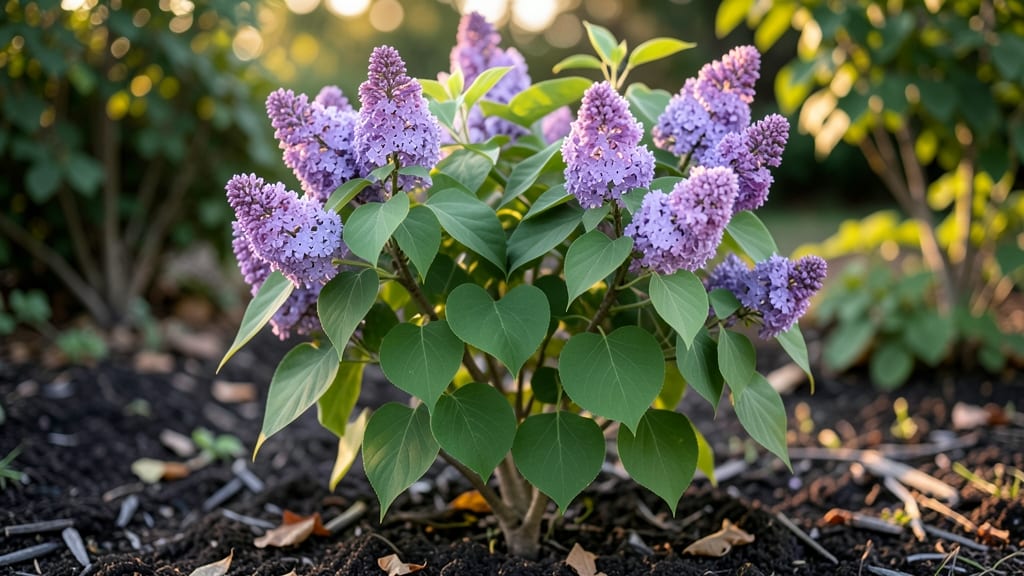
The lilac flower blooming season in spring is a fragrant highlight of any garden, but timing can vary wildly depending on where you live.
Picture this: you’ve been waiting all winter for that 🌸 scent to fill the air, only to realize your lilacs peaked two weeks ago. Or worse, they haven’t even budded yet.
The difference between a showstopper display and a missed opportunity often comes down to your USDA zone—and a few smart care tweaks.
Most lilacs burst into bloom between May and June, but in colder zones like 6a, expect them to push back until early June. Meanwhile, warmer climates might see early bloomers as soon as April.
Pruning at the right time, feeding lightly in spring, and choosing the right variety can shift your bloom window by weeks.
Below, I’ll break down the exact months for your zone, plus the pro tips to stretch your lilacs’ fragrance-filled peak from a few days to nearly a month. No more FOMO—just lilacs at their finest, right when you want them.
Lilac blooming season by USDA Zone: month-by-month breakdown
Lilacs are one of spring’s most beloved shrubs, but their blooming season varies dramatically depending on your USDA zone. In colder climates like Zone 3, lilacs often bloom as early as late April, while warmer Zone 9 gardens may not see flowers until May or June.
Understanding these differences helps you plan ahead for peak fragrance and stunning displays.
Climate plays a huge role in lilac timing. Early bloomers like 'Bloomerang' lilacs may appear in Zone 4 by mid-April, while late varieties like 'Dwarf Korean' might wait until late May in Zone 6.
Even within the same zone, microclimates can shift bloom windows by 1-2 weeks. Let’s break it down by zone to help you predict when your lilacs will perfume your garden.
| USDA Zone | Early Bloom | Peak Bloom | Late Bloom | Fragrance Notes |
|---|---|---|---|---|
| Zone 3 | Late April | Early May | Mid-May | Sweet, intense |
| Zone 4 | Mid-April | Late April | Early June | Strong, floral |
| Zone 5 | Early May | Mid-May | Late May | Balanced sweetness |
| Zone 6 | Late April | Early May | Mid-June | Rich, heady |
| Zone 7 | Early May | Mid-May | Late May | Light, fresh |
| Zone 8 | Late April | Early May | Early June | Subtle, delicate |
| Zone 9 | Early May | Mid-May | Late May | Mild, lingering |
In Zone 3, where winters are harsh, lilacs often bloom earlier to take advantage of short growing seasons. The peak fragrance in these zones typically occurs in early May, giving gardeners just a few weeks to enjoy the full sensory experience.
If you live in Zone 4, you might catch early bloomers as soon as mid-April, but late varieties can stretch the season into early June.
Warmer zones like Zone 7-9 experience a more compressed bloom window, usually between early and mid-May. However, some late-blooming varieties in these zones can extend the show until late May or early June.
If you’re in Zone 6, pay attention to microclimates—south-facing slopes may bloom 1-2 weeks earlier than shaded areas.
To predict your local bloom window, note the last hard frost date in your area. Lilacs typically bloom 4-6 weeks after the last frost, but this can vary by 10 days or more depending on the variety.
For example, 'Katherine Havemeyer' lilacs in Zone 5 often bloom in late April, while 'Miss Kim' in Zone
How to extend your lilac’s blooming season: pruning and care secrets
Your lilac’s fragrant blooms can last weeks longer than average with the right timing and care. The secret? Pruning at the wrong time can cut bloom season short, while smart feeding and watering can stretch it out.
Most lilacs bloom just once per year, but varieties like ‘Bloomerang’ can rebloom with encouragement.
To maximize your lilac’s performance, focus on three key areas: pruning, fertilizing, and watering. Each plays a role in whether your shrub puts energy into lush foliage or showstopping flowers.
I’ll walk you through the exact steps to follow, plus when to skip certain tasks to avoid stressing your plant.
First, let’s clarify the biggest myth: pruning after blooms is critical for next year’s flowers. But timing matters—cut too late, and you’ll sacrifice this year’s display. Here’s how to balance both seasons.
Step-by-Step Guide to Extend Lilac Blooms
- Step 1: Prune immediately after blooms fade (late May-June). Remove 1/3 of oldest stems at the base to encourage new growth and next year’s flowers.
- Step 2: Apply balanced fertilizer (10-10-10) in early spring (March) to fuel bud formation. Use 1 tbsp per plant and water deeply afterward.
- Step 3: Water deeply once weekly during spring (April-May) to support bud development. Reduce to bi-weekly in summer once established.
- Step 4: For reblooming varieties, give them a light summer trim (July) to remove spent flowers and redirect energy to new blooms.
- Step 5: Mulch around the base in fall (October) with 2-3 inches of organic mulch to protect roots and retain moisture for next year.
- Step 6: Avoid heavy pruning in fall or winter, as lilacs need dormancy to set buds for spring.
Reblooming lilacs like ‘Bloomerang’ or ‘Edith’ need extra care. After their first flush of flowers in spring, give them a light trim in July to remove faded blooms. This signals the plant to produce a second round of flowers by late summer.
Pair this with regular watering (every 5-7 days) during dry spells to keep buds hydrated.
One common mistake? Over-fertilizing in summer. Lilacs enter dormancy after blooming, and feeding them then can lead to leafy growth at the expense of flowers. Stick to early spring feeding only, and skip summer applications entirely. Your plant will thank you with longer, more abundant blooms next year.
Pro tip: If your lilac’s buds swell in spring but fail to open, it’s often due to drought stress or poor drainage. Ensure your plant gets 6+ hours of sun daily and amend heavy clay soil with compost to improve aeration. A well-drained site is non-negotiable for consistent blooms.
With these steps, you’ll transform your lilac from a one-hit wonder into a fragrant showstopper that steals the spotlight for weeks. The key is patience—lilacs reward long-term care with bigger, longer-lasting blooms each season. 🌸