
Flowers
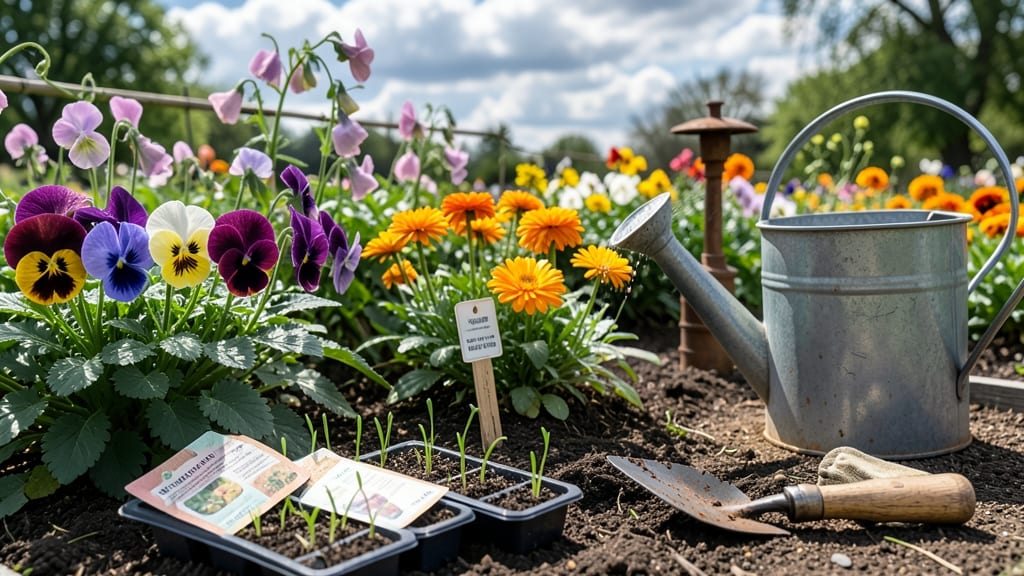
Planting flowers in spring after the last frost date is the key to vibrant blooms that last all season 🌸 — and missing that window can leave you with limp seedlings or stunted growth.
Picture this: you’ve prepped the soil, picked out your favorite annuals, and the calendar says it’s "spring." But if you plant too early, a late frost will nip your dreams in the bud. Or if you wait too long, the heat arrives before your perennials even take root.
The difference between a showstopping garden and a sad patch of dirt often comes down to knowing the exact timing for your zone and flower type.
In this guide, I’ll break down the best planting windows by USDA zone, from the chilly Zone 3 to the balmy Zone 10, so you can align your calendar with Mother Nature’s. We’ll also cover which flowers thrive when planted early (like pansies) and which need the warmth of late spring (like zinnias) — plus the critical mistakes that turn hopeful gardeners into frustrated ones overnight.
By the end, you’ll have a foolproof schedule tailored to your region, a list of the fastest-blooming varieties to extend your season, and pro tips to adjust for cooler or warmer-than-usual springs. No more guessing — just confident planting that guarantees blooms from spring to fall.
Spring planting timeline by USDA Hardiness Zones: when to plant flowers after last frost
Getting your spring flowers in the ground at the right time means the difference between a vibrant garden and a sad, frost-nipped disappointment. The USDA Hardiness Zone you live in determines your last frost date, and that’s your cue to start planting.
But here’s the catch: annuals, perennials, and bulbs all have different timing needs, and regional microclimates (like the Pacific Northwest’s cooler springs or the Deep South’s early warmth) throw a wrench into the plan.
I’ve broken down the ideal planting windows by zone, flower type, and even regional quirks so you can time your plantings perfectly.
Whether you’re in Zone 3 (where snowflakes might still dance in May) or Zone 10 (where spring feels like summer), this guide keeps you ahead of frost and on track for season-long blooms.
Pro tip: Always check your local extended weather forecast 1-2 weeks before your zone’s average last frost date—those late cold snaps can sneak up even in warmer regions. And if you’re unsure about your zone, use the USDA Zone Finder tool to pinpoint your exact location.
If you’re in Zone 3 or 4, where frost can linger into June, focus on cool-season annuals like pansies and snapdragons for early color. These tough little flowers can handle light frosts and will reward you with blooms before your heat-loving zinnias are ready to go in.
In Zones 5-6, you’ve got a wider window—start perennials like black-eyed Susans in early spring, then add annuals after Memorial Day.
For Zones 7-10, the rules relax dramatically. In the Pacific Northwest, where springs can be cool and wet, delay planting until after Mother’s Day to avoid soggy soil.
Meanwhile, in the Deep South, you can plant tender annuals like petunias as early as February—just be ready to shade them if a late cold snap hits.
And in Zones 9-10, where frost is rare, you can plant year-round, though summer heat might require afternoon shade for delicate blooms.
Don’t forget about bulbs—they’re the unsung heroes of spring planting! Most spring-blooming bulbs (like tulips and daffodils) should be planted in the fall, but if you missed that
Best flowers to plant early vs. late spring: fast-bloomers vs. heat-lovers
Spring’s unpredictable weather makes timing your flower planting a balancing act. Cool-season flowers like pansies and snapdragons thrive when planted 4-6 weeks before the last frost, while heat-loving annuals like marigolds and zinnias wait until after soil warms to 60°F+.
The difference? Months of vibrant blooms or sad, stunted plants. Let’s break down the best early spring flowers for quick color and late spring flowers that handle summer’s heat like champions.
For fast-blooming flowers, prioritize varieties that tolerate light frosts and deliver color early. These cool-season champions often bloom within 6-8 weeks of planting, giving you instant curb appeal.
Meanwhile, heat-tolerant flowers like cosmos and sunflowers wait patiently until May or June to burst into action, ensuring your garden stays lively through summer’s end. The key? Planting the right flowers at the right time to avoid spring frost damage or summer wilting.
| Plant Type | Best Planting Time | Bloom Window | Sun Needs | Notes |
|---|---|---|---|---|
| Pansies | 4-6 weeks before last frost | Early spring to fall | Full sun to partial shade | Tolerates light frost; great for containers |
| Snapdragons | 4-6 weeks before last frost | Spring to early summer | Full sun | Heat-sensitive; mulch to retain moisture |
| Marigolds | After last frost, soil 60°F+ | Summer to frost | Full sun | Drought-tolerant; repels pests |
| Zinnias | After last frost, warm soil | Late summer to frost | Full sun | Attracts pollinators; cut flowers last longer |
| Cosmos | After last frost, soil 55°F+ | Summer to frost | Full sun to partial shade | Drought-resistant; self-seeds easily |
| Sweet Alyssum | 4-6 weeks before last frost | Spring to fall | Full sun to partial shade | Fragrant; great for borders |
If you’re in USDA Zones 3-5, start cool-season flowers like sweet peas and stock indoors in February for early outdoor transplanting. In Zones 6-10, you can often plant late spring flowers like sunflowers and cosmos as early as March, but wait until April in cooler microclimates.
Pro tip: Use row covers to extend the season for heat-lovers like zinnias, letting you plant them 2-3 weeks earlier.
For container gardens, prioritize fast-blooming annuals like petunias and calibrachoa, which thrive in pots and deliver color within 6-8 weeks. In-ground beds? Mix early bloomers like violas with late-season stars like black-eyed Susans for a garden that never skips a beat.
The secret? Succession planting: Sow heat-loving flowers every 2-3 weeks from May through July to keep blooms coming.
Don’t forget to harden off seedlings before transplanting and water deeply after planting to reduce transplant shock. For cool-season flowers, mulch with straw to protect roots from late spring frosts, while heat-lovers benefit from a light layer of mulch to retain moisture.
With the right timing, your garden will transition seam