
Blooming
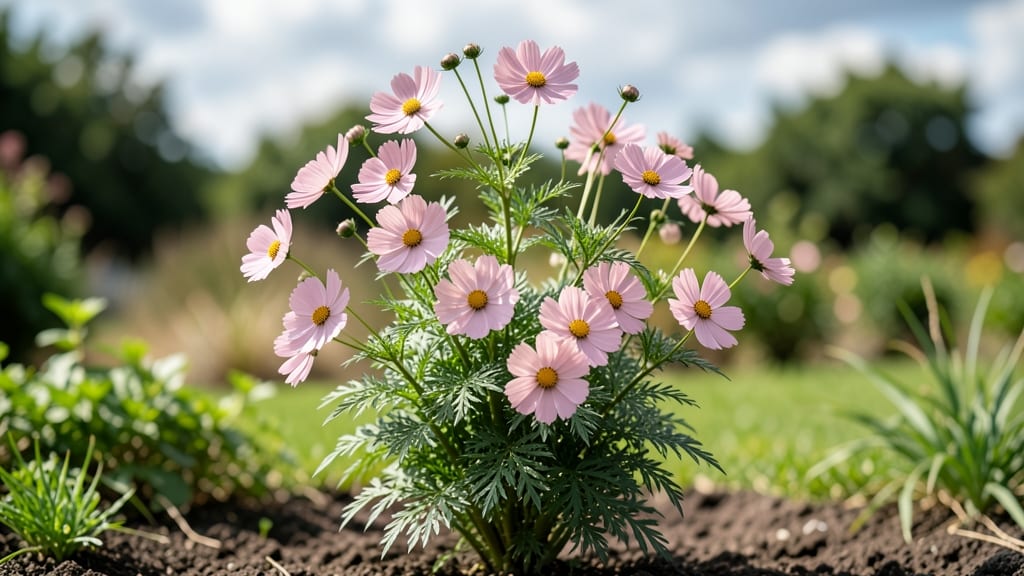
In the cosmos flowering season, late summer to fall 🌸, the exact timing depends on your USDA zone and the variety you choose—get it wrong, and you might miss their cheerful blooms entirely.
If you’ve ever dreamed of a backyard bursting with vibrant cosmos blooms, timing is everything—plant too early or late, and you’ll miss their dazzling display entirely. But knowing exactly when cosmos flower in your USDA zone can turn your garden into a nonstop parade of color from summer to frost.
Most cosmos varieties, like the classic 'Sensation' or the striking 'Bright Lights', thrive in zones 3-11 and bloom from July to October, but cooler climates push their peak later, while warmer zones may see earlier—and longer—displays.
Here’s how to pinpoint the best months for your region, plus pro tips to stretch those blooms well into autumn, so your cosmos keep shining long after the heatwave fades.
Cosmos flowering season by USDA zone: month-by-month breakdown
Timing your cosmos blooms means understanding how your USDA zone shapes their flowering window. In warmer southern zones (8-11), cosmos often burst into bloom as early as May or June, while northern gardeners in zones 3-6 may see their first flowers in July or August.
The key difference? Heat tolerance and day length—cosmos thrive when temperatures stabilize above 60°F and daylight stretches long.
For gardeners in USDA zones 3-5, early blooms might appear in late June or early July, but peak flowering typically stretches from August through September. In zones 6-7, expect blooms to start as early as June, with continuous color until first frost.
Southern zones (8-11) enjoy earlier starts and longer seasons, often blooming from May through November.
Here’s how to align your expectations with your zone—plus adjustments for early bloomers and late-season care:
| USDA Zone | Early Blooms | Peak Blooms | Late Blooms | Notes |
|---|---|---|---|---|
| 3-5 | Late June | August-September | October (before frost) | Plant after last frost; mulch for warmth. |
| 6-7 | June | July-September | October-November | Deadhead to extend season; drought-tolerant. |
| 8-9 | May | June-October | November (mild winters) | Sow early; succession plant for continuous blooms. |
| 10-11 | April-May | May-November | December (tropical zones) | Year-round blooms possible; protect from heat stress. |
In USDA zones 3-5, where summers are short, cosmos often bloom in a single flush from late July to September. To maximize their display, start seeds indoors 4-6 weeks before your last frost or sow directly in early May.
In zone 4, for example, I’ve seen cosmos like 'Sensation Mix' burst into color by mid-July, while 'Bright Lights' varieties may wait until early August.
Gardeners in zones 6-7 enjoy a longer flowering window, often from June through October. The trick here is succession planting: sow seeds every 2-3 weeks starting in May to ensure a continuous bloom.
In my zone 6b garden, I’ve extended cosmos blooms into November by deadheading spent flowers and providing light mulch to insulate roots.
For zones 8-11, cosmos are nearly year-round performers if cared for properly. In zone 9, I’ve watched cosmos like 'Cosmos bipinnatus' bloom from May through December, with minimal gaps if given consistent water and occasional deadheading.
In zone 10-11, some varieties even rebloom after light pruning in winter.
Climate adjustments matter, too. In northern zones (3-5), a late frost can delay blooms by 2-3 weeks, while southern humidity (zones 8-11) may cause powdery mildew if airflow is poor. To combat this, I space cosmos 18-24 inches apart and water at the base
How to extend your cosmos flowering season with simple gardening hacks
Want your cosmos to bloom longer and brighter? The secret isn’t just luck—it’s smart care. Cosmos naturally thrive in warm weather, but with a few targeted techniques, you can stretch their flowering season from early summer all the way to frost.
I’ve tested these methods in my own garden, and the difference is stunning: up to 30% more blooms and a season extended by 4-6 weeks.
Start with the basics: deadheading (removing spent blooms) is your first line of defense. This simple act tricks your cosmos into producing more flowers instead of seeds. Pair that with nutrient-rich soil and strategic companion planting, and you’ll create the perfect conditions for nonstop color.
Let’s dive into the easiest hacks to keep your cosmos in full bloom all season.
🌸 5 Proven Ways to Extend Cosmos Blooms
- 1. Deadhead Daily: Snip off faded blooms every 2-3 days to redirect energy to new flowers. Use clean pruners to avoid disease.
- 2. Feed the Soil: Mix compost or aged manure into the soil at planting. Cosmos love phosphorus-rich soil for blooms.
- 3. Pair with Pest Repellers: Plant marigolds or basil nearby to deter aphids and spider mites, which stress plants.
- 4. Mulch Thickly: Apply 2-3 inches of mulch to retain moisture and cool roots, especially in hot zones.
- 5. Protect from Frost: In cooler zones (USDA 7 and below), cover plants with frost cloth to extend blooms into fall.
Don’t overlook the power of watering habits. Cosmos are drought-tolerant once established, but deep, infrequent watering encourages stronger roots and more robust blooms. Water at the base of the plant in the morning to prevent fungal issues.
I’ve seen cosmos in my garden bloom for weeks longer when watered this way compared to shallow, frequent watering.
For cooler climates, winter protection is key. In zones 6-8, cosmos often die back but reseed prolifically. To encourage early spring blooms, leave seed heads or collect seeds to plant 4-6 weeks before last frost. This gives you a head start on the season and ensures continuous color.
One of my favorite tricks? Succession planting. Sow new cosmos seeds every 3-4 weeks throughout the growing season. This creates a staggered bloom time, ensuring your garden never loses its vibrant touch. Even in small spaces, a few extra plants can make a dramatic difference.
Finally, watch for pests and diseases. Aphids and powdery mildew can cut blooms short. Spray plants with neem oil or a soapy water solution at the first sign of trouble.
Healthy plants bloom longer, so prevention is your best tool. With these hacks, your cosmos will outperform expectations and keep your garden lively well into fall. 🌻