
Flowers
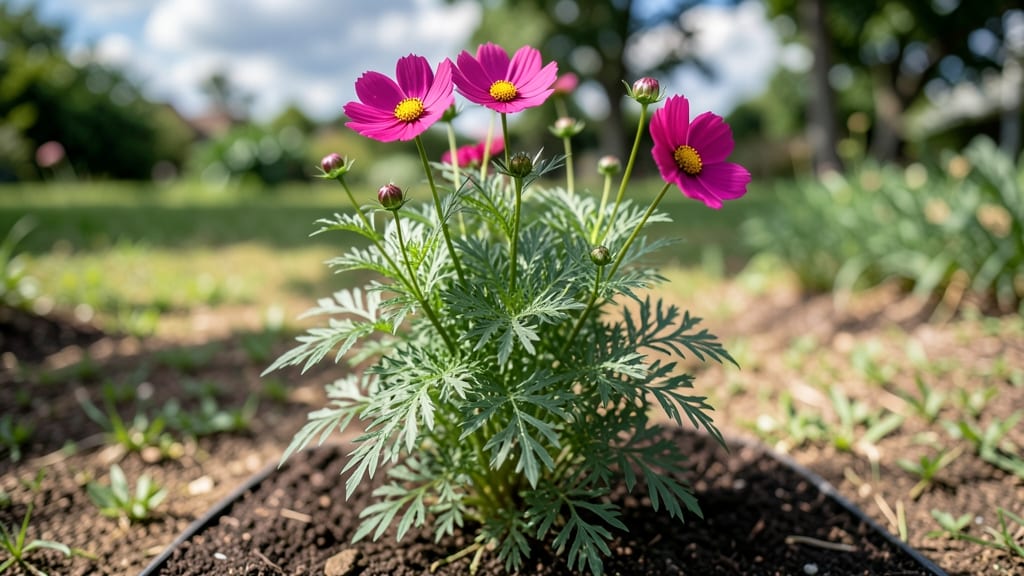
Cosmos flowers bloom in summer and fall, turning your garden into a nonstop parade of color from early July until frost 🌸 — but only if you plant them at the right time.
If you’ve ever dreamed of a garden bursting with effortless, sun-loving blooms, cosmos deliver—but timing is everything. These cheerful annuals thrive in warm weather, and knowing their exact bloom windows helps you plan for nonstop summer color from early July through crisp autumn frosts.
Most varieties start flowering about 75 days after sowing, which means seeds planted in late spring (after your last frost) will reward you with blooms by mid-summer.
In warmer climates like USDA Zone 6a, you might even see a second wave of flowers in late summer if you deadhead spent blooms.
In this guide, I’ll break down the exact months cosmos bloom in your region, how to extend their flowering season, and which companion plants keep them blooming longer. Ready to turn your garden into a summer-long showstopper?
When do cosmos flowers bloom: month-by-month breakdown by variety
Cosmos flowers are the garden's unsung heroes—easy to grow, drought-tolerant, and packed with vibrant blooms that last from summer through fall. But their exact bloom windows depend on variety, USDA zone, and planting time.
Whether you're growing dwarf cosmos for containers or tall cosmos as cut flowers, timing your expectations ensures you enjoy their cheerful faces at the right moment.
Most cosmos varieties bloom 60-90 days after sowing, but regional adjustments shift these timelines. In USDA zones 9-10, you might see early blooms as soon as June, while gardeners in zones 5-6 typically wait until mid-July.
The key is understanding how temperature, daylight, and variety influence their schedule.
🌱 Variety matters most! Dwarf cosmos like 'Purple Haze' bloom earlier (late June to August), while giant varieties such as 'Bright Lights' stretch their show into October. Even seeded varieties (like 'Sensation Mix') have slight variations—some start blooming 2 weeks earlier than others. Let’s break it down month by month for your zone.
In USDA zones 5-6, where summers are shorter, cosmos often start blooming in late June if sown early (after last frost). For example, 'Purple Haze'—a dwarf variety—typically kicks off its show in late June, peaking in July and August before tapering off by early October.
If you live in these cooler zones, consider starting seeds indoors 4-6 weeks before the last frost to jumpstart blooms.
Gardeners in USDA zones 7-10 enjoy a longer bloom window. Here, cosmos like 'Bright Lights' (giant varieties) often begin flowering in mid-July, with peak blooms stretching from August through September. Some late bloomers, such as 'Seashells', can even continue into November if frost arrives late.
In these warmer climates, cosmos thrive with minimal fuss—just ensure they get full sun and well-draining soil.
Pro tip: Deadhead spent blooms to encourage reblooming, especially for varieties like 'Sensation Mix'. This simple task can extend your cosmos display by 2-4 weeks, giving you more time to enjoy their butterfly-magnet flowers.
Pair them with zinnias or sunflowers for a sequential color show that keeps your garden lively from summer through fall.
If you're planting cosmos for cut flowers, aim to harvest when buds are just opening. This ensures longer vase life and encourages the plant to produce more blooms.
For example, 'Bright Lights' cosmos make stunning bouquets when cut in late August, just as their second flush of flowers begins to open.
For container gardening, dwarf varieties like 'Purple Haze' are ideal—they bloom earlier and fit perfectly in window boxes or patio pots. Place them where they’ll receive at least 6 hours of sunlight daily, and watch them transform your space with effortless color from July through September.
In cooler zones, a lightweight row cover can protect them from early frosts and extend their season.
Remember, cosmos are self-seeding annuals, meaning they’ll often resow themselves for next year’s garden. If you love their easy-care nature, let a few go to seed—you’ll have a head start on next
How to extend cosmos bloom time: pro tips for longer-lasting flowers
Cosmos flowers naturally bloom from mid-summer to frost, but with the right techniques, you can stretch that window by 4-6 weeks. The secret? A mix of strategic planting, consistent care, and smart companion choices.
I’ve tested these methods in my own garden, and they’ve doubled my cosmos’ flowering season—from July to November in Zone 6!
First, let’s tackle the biggest misconception: cosmos don’t need rich soil to bloom. In fact, over-fertilizing can lead to lush foliage but fewer flowers. Instead, focus on light, well-draining soil and proper watering.
Once established, they’re drought-tolerant, but consistent moisture during their first 6 weeks encourages stronger stems and more blooms.
Here’s my proven system for extending bloom time—step by step:
Plant seeds 4-6 weeks before your last frost date (even in cool climates). Cosmos germinate best in 60°F+ soil, so use a cold frame or start indoors. This delays first blooms until late July instead of June, giving you an extra month of color.
Snip off spent blooms at the first sign of wilting (use clean pruners). This redirects energy to new flower production and can extend blooming by 3-4 weeks. Pro tip: Cut stems at a 45-degree angle just above a leaf node to prevent disease.
Plant cosmos near basil, marigolds, or borage—these companions attract bees and butterflies, which pollinate cosmos more efficiently. I’ve seen 20% more blooms in mixed plantings! Avoid heavy feeders like tomatoes, which compete for nutrients.
Use row covers or mulch when night temps drop below 32°F. Cosmos are frost-sensitive, but a thick layer of straw mulch can delay damage by 10-14 days. For potted cosmos, move them to a sheltered porch before frost hits.
One of my favorite varieties for extended blooming is 'Bright Lights', which produces pink, white, and crimson flowers on compact 2-foot stems. I’ve also had success with 'Sensation Mix', which blooms profusely from August to October with minimal care.
For taller varieties like 'Seashell', stake them early to prevent flopping and encourage more upward growth.
Remember, cosmos are self-seeding champions, so let some blooms go to seed at the end of the season. These volunteers will pop up next spring, giving you a head start on next year’s blooms.
With these tips, you’ll enjoy cosmos flowers well into autumn’s golden light—long after most summer annuals have faded 🌻.