
Flowers
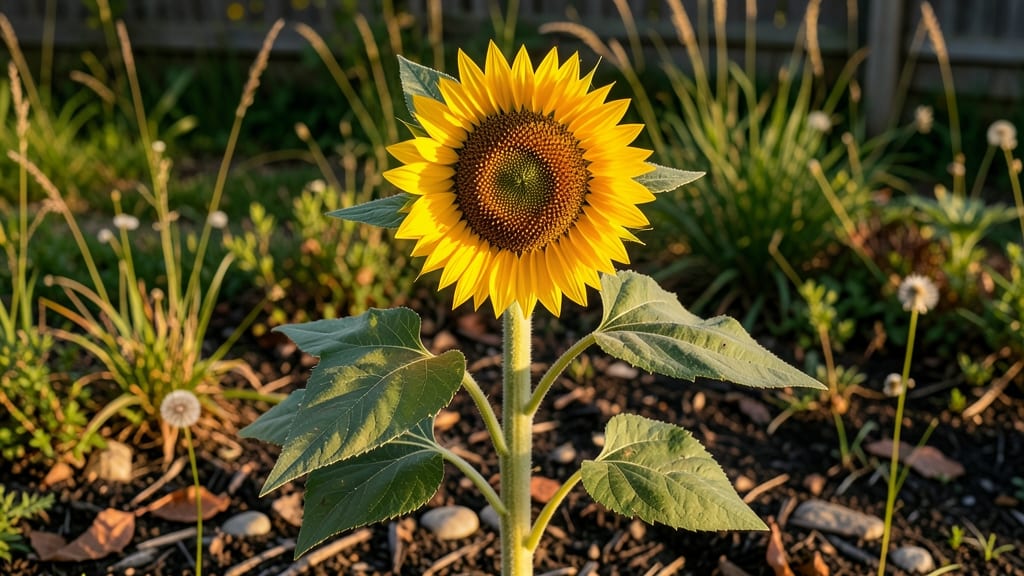
Sunflowers need full sun to thrive, but what happens when your garden spot doesn’t quite deliver?
Picture this: you’ve planted your 🌻 sunflower seeds with big dreams of towering blooms, only to watch them stretch thin and pale, struggling to reach their potential. Even in USDA Zone 6a, sunlight can be the game-changer between a 6-foot giant and a leggy disappointment.
The truth is, sunflowers crave 6+ hours of direct sunlight daily, but they’re not as picky as you might think. While they love full sun, they can handle some shade—though their height, bloom size, and seed production will take a hit.
The key is understanding how much light they really need and how to work with what your garden offers.
Here’s what you’ll discover: the ideal sunlight conditions for sunflowers, how to spot light deprivation early, and practical tips to maximize their growth—whether you’re in a sunny backyard or a slightly shadier corner. Let’s get your sunflowers reaching for the sky!

How much sun do sunflowers really need for optimal growth?
Sunflowers thrive when basking in sunlight, but their light requirements are often misunderstood. While they’re called "sunflowers," they don’t always need 24/7 sunlight—just the right balance. Research shows sunflowers perform best with 6-8 hours of direct sunlight daily, but they can tolerate slight variations.
The key lies in photosynthesis efficiency, where sunlight fuels their towering growth and vibrant blooms.
Most gardeners assume "full sun" means uninterrupted sunlight, but sunflowers are more flexible than you’d think. They’ll still grow in partial shade, though you’ll notice differences in stem strength, bloom size, and seed production.
Understanding these nuances helps you position them perfectly in your garden, whether in open fields or urban containers.
For optimal growth, aim for 6+ hours of direct sunlight daily. This ensures sunflowers reach their full potential height (up to 15 feet!) and produce large, vibrant blooms. Studies show sunflowers in full sun grow 30% taller and yield 50% more seeds than those in partial shade.
The extra sunlight boosts chlorophyll production, helping them convert energy into rapid stem elongation and robust flower development.
If your garden only offers partial sun, don’t panic. Sunflowers can still thrive with 4-6 hours of direct light, though you’ll sacrifice some height and bloom size. In these cases, choose dwarf varieties like 'Teddy Bear' or 'Moulin Rouge,' which tolerate lower light better.
Position them near south- or west-facing walls to maximize sunlight exposure during peak hours.
Morning sun is ideal for sunflowers because it warms the soil gently, encouraging strong root development. Avoid placing them in hot afternoon shade, where temperatures can drop suddenly, stressing the plants.
If you’re growing sunflowers in containers, move them to sunnier spots as the day progresses for consistent light exposure.
Shade can also affect flower color intensity. Sunflowers in full sun develop brighter yellow petals and deeper brown centers, while those in shade may produce paler blooms. This happens because sunlight triggers higher levels of anthocyanin pigments, which contribute to their signature colors.
For the most striking displays, prioritize south-facing locations or use reflective surfaces (like white walls or mulch) to bounce extra light onto the plants.
One common misconception is that sunflowers will always lean toward sunlight, even in full sun. While they do exhibit phototropism (growing toward light), proper spacing and staking can prevent weak stems.
In low-light conditions, sunflowers may become leggy and spindly, requiring extra support to avoid toppling over. To combat this, use tomato cages or bamboo stakes early in their growth phase.
For seed production, sunlight is non-negotiable. Sunflowers need ample light to develop viable seeds—those in partial shade often produce smaller, fewer seeds or none at all. If you’re growing sunflowers for culinary or birdseed purposes, ensure they receive at least 6 hours of direct light daily.
Even a few hours of shade can reduce seed yield by up to 40%, according to agricultural studies.
Pro tip: Monitor your sunflowers’ leaf color as an indicator of light sufficiency. Healthy leaves are deep green and slightly waxy, while those in low light may appear yellowish or pale.
If you notice these signs, gradually move plants to a sunnier spot over 1-2 weeks to avoid shocking their system. Patience pays off—sunflowers adapt well to changes in light exposure when transitioned slowly.
🌻
What happens when sunflowers don’t get full sun?
When your sunflowers 🌻 don’t get enough sunlight, they’ll start showing signs of distress almost immediately. The most obvious symptom is leggy stems—those long, weak stalks stretching desperately toward any available light. This happens because the plant prioritizes reaching upward over developing strong, sturdy growth.
Without sufficient light, their photosynthesis process slows, leaving them energy-starved and unable to produce the vibrant blooms you planted them for.
You might also notice delayed flowering or blooms that are significantly smaller than expected. Sunflowers need strong sunlight to trigger their flowering hormones, so partial shade can push back their bloom time by weeks—or even prevent flowering entirely in extreme cases.
Even if they do bloom, the flowers may be pale and less vibrant, lacking the rich yellow hues that make sunflowers so striking.
Another red flag is weak stems that struggle to support the plant’s weight. Without proper light, sunflowers can’t develop the structural strength needed to hold up their heavy seed heads. This often leads to flopping or breaking under wind or rain, turning your once-proud sunflowers into a sad, drooping mess.
⚠️ Warning: Sunflowers in Shade Will Struggle
Sunflowers need 6+ hours of direct sunlight daily to thrive. In partial shade (3-6 hours of sun), they’ll grow slower, produce smaller blooms, and may even fail to flower. If your garden spot only gets less than 3 hours of sun, consider choosing shade-tolerant varieties or relocating your plants to a sunnier area.
🌱 Pro Tip: If you must grow sunflowers in shade, opt for dwarf varieties (like 'Teddy Bear' or 'Moulin Rouge') that handle low light better than standard types.
If your sunflowers are already showing signs of light deprivation, don’t despair—there are ways to help them thrive even in partial shade. Start by thinning out nearby plants to reduce competition for light.
Tall trees, shrubs, or even other sunflowers can cast shadows that limit growth, so prune or remove obstructions if possible. Another trick is to rotate your sunflowers throughout the day to ensure they get light from all angles, especially if they’re planted near a fence or wall that blocks sunlight.
For gardens with limited sunlight, consider companion planting with taller, shade-tolerant plants like corn or beans that won’t compete for light but can still benefit from the sunflowers’ deep roots.
You can also try reflective surfaces, like white gravel or light-colored mulch, to bounce extra sunlight onto your sunflowers. Even a simple mirror or reflective panel placed strategically can make a noticeable difference in their growth.
Lastly, if all else fails, choose the right variety for your space. Some sunflowers, like 'Autumn Beauty' or 'ProCut', are more adaptable to partial shade and still produce beautiful blooms—just on a smaller scale.
With the right approach, you can still enjoy sunflowers even if your garden isn’t basking in full sun all day.