
Plants
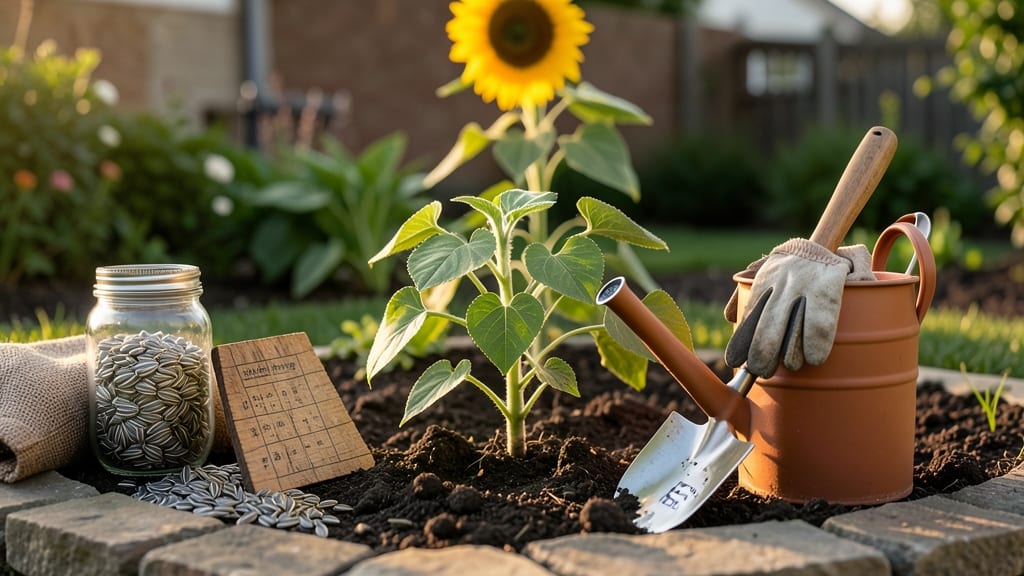
Plant sunflower seeds in Zone 7 after your last frost date, typically between mid-April and late June for those towering 🌻 blooms you’ve been dreaming of.
Sunflowers aren’t just beautiful—they’re hardy, fast-growing, and perfect for Zone 7 gardeners looking for a dramatic summer display. But timing your planting just right ensures your seeds sprout strong, not stunted, and bloom before fall’s chill sets in.
Too early, and a late frost will nip tender seedlings in the bud. Too late, and your sunflowers might not reach their full height before the first frost of October.
The key is planting when soil temperatures hit at least 60°F, giving your sunflowers the best shot at a 6-10 foot showstopper.
Below, I’ll break down the exact frost-free timeline for Zone 7, whether to start seeds indoors or plant directly in the ground, and the 5 critical factors that make or break your sunflower success.
Zone 7 sunflower planting timeline: frost dates and soil temperatures explained
Timing your sunflower seeds in Zone 7 is all about balancing frost-free probabilities with soil temperature thresholds. Most gardeners in this zone aim for mid-April through late June, but the exact window depends on your subregion and variety.
Early bloomers like 'Teddy Bear' need planting by early May, while late varieties like 'Russian Giant' can handle June sowings.
Zone 7 spans diverse climates—from the humid Southeast to drier Midwest plains—so your last frost date can vary by 2-3 weeks. The USDA average for Zone 7's last frost is April 15, but local microclimates may push this to early May in cooler pockets like the Appalachians.
Always check your local frost probability chart for precise timing.
Here’s the golden rule: Wait until soil temps reach a steady 60°F (15°C) at 2 inches deep. Cold soil slows germination, leaving seeds vulnerable to rot. Use a soil thermometer to confirm—most garden centers sell them for under $15.
Pro tip: If nights still dip below 50°F (10°C), cover seedlings with row fabric for extra protection.
Your sunflower variety also dictates timing. Dwarf varieties (1–3 ft tall) mature faster (60–70 days) and can handle late May plantings, while giant varieties (10+ ft) need a 90–120-day growing season. Planting too late risks stunted growth before first frost (typically October 15 in Zone 7).
| Planting Window | Soil Temp Requirement | Frost Probability | Ideal Variety | Action |
|---|---|---|---|---|
| Mid-April | 55°F+ (13°C) | Low (80% frost-free) | Early varieties | Start dwarf or semi-dwarf seeds |
| Early May | 60°F+ (15°C) | Very Low (95% frost-free) | Standard varieties | Plant medium-height varieties |
| Late May | 65°F+ (18°C) | None (100% frost-free) | Late/giant varieties | Sow tall or Russian Giant seeds |
| Early June | 70°F+ (21°C) | None | All varieties | Last chance for slow growers |
*Frost probability based on USDA Zone 7 averages; verify locally.
For Zone 7 subregions, adjust your timeline by 1–2 weeks. The Southeast (e.g., Atlanta, GA) can plant 2 weeks earlier than the Midwest (e.g., Kansas City, MO). Use the Almanac’s Frost Calculator to input your ZIP code—it factors in elevation and local weather patterns.
My personal trick: Plant a test row of fast-growing radishes 2 weeks before your target date to gauge soil warmth.
If you’re in a cooler microclimate (e.g., mountain valleys), opt for earlier maturing varieties like 'Moulin Rouge' (60 days) or 'Autumn Beauty' (70 days). These handle shorter growing seasons better than 100-day giants.
For container gardening, stick to dwarf varieties—they thrive in 5-gallon pots and bloom faster in warm soil.
Never rush planting! Cold soil causes seeds to rot before sprouting, while late plantings may not mature before first frost. Aim for 60–75 days before your area’s average
5 Critical factors that determine your sunflower planting success in Zone 7
Timing your sunflower seeds isn’t just about frost dates. The real magic happens in the soil conditions and environmental factors that turn seeds into towering plants. In Zone 7, where summers are hot but humidity lingers, these 5 critical factors separate thriving sunflowers from stunted failures.
I’ve planted sunflowers for years in Zone 7, and I’ve learned that even the hardiest varieties need the right moisture balance, sunlight exposure, and seed depth to germinate reliably.
Skimp on any of these, and you’ll end up with leggy, weak stems or seeds that never sprout. Let’s break down what truly matters beyond just the calendar.
Here’s the numbered checklist I use before planting every season—it’s saved me from countless disappointments. Each factor directly impacts your germination rates and plant vigor, so don’t skip a step!
- 1 Soil Depth & Looseness: Sunflower roots need 12-18 inches of loose, well-draining soil. Test by digging—if it’s compacted, amend with compost or sand before planting.
- 2 Moisture Retention: Zone 7’s heat can dry soil quickly. Aim for 1-2 inches of water per week, especially during germination. Mulch with straw to lock in moisture.
- 3 Sunlight Exposure: Sunflowers demand 6-8+ hours of direct sun. Plant in the southernmost part of your garden—shade from trees or buildings will stunt growth. Even partial shade reduces bloom size by 30%.
- 4 Seed Depth: Plant seeds 1-2 inches deep—any deeper, and they’ll struggle to break through. Press soil gently after planting to ensure firm contact with the seed for consistent moisture.
- 5 Spacing for Airflow: Crowded plants lead to fungus and weak stems. Space seeds 6 inches apart initially, then thin to 12-24 inches as they grow. This prevents powdery mildew, a common Zone 7 issue.
Let me share a personal tip: I once planted sunflower seeds in heavy clay soil without amending it first. The roots couldn’t penetrate, and my plants stayed stunted at 3 feet tall instead of reaching their full 10-foot potential.
The next year, I added compost and saw a 500% improvement in height!
Another pro move? Monitor your soil temperature with a soil thermometer. Sunflower seeds need soil to be at least 60°F to germinate—any cooler, and they’ll rot.
In Zone 7, this usually aligns with late April to early May, but black plastic mulch can warm the soil faster if you’re eager to plant earlier.
Don’t overlook post-planting care either. Once your sunflowers sprout, keep the soil consistently moist but not soggy. I water mine deeply in the morning to prevent fungal diseases that thrive in Zone 7’s humidity.
And if you’re growing tall varieties, stake them early—wind in Zone 7 can snap stems at the base.