
Orchid Care
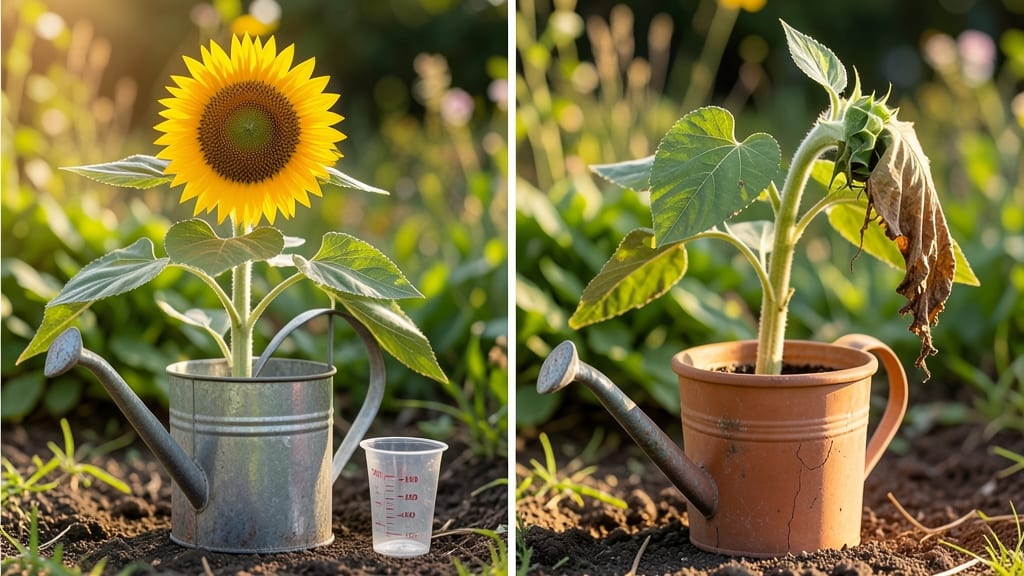
Do sunflowers require a lot of water? Not as much as you might think once they’re established—just deep, infrequent soaks to keep their towering stems strong.
Picture this: your 🌻 sunflowers wilt under the midday sun, not because they’re thirsty, but because you’ve been watering them lightly every day. That’s a common mistake, and it’s why so many gardeners end up with leggy, weak plants instead of the vibrant giants they planted.
Here’s the truth: sunflowers are surprisingly drought-tolerant once their roots take hold, but they need the right approach. Too little water, and they’ll struggle to grow; too much, and you risk rot or stunted blooms.
The key is understanding their water needs at each stage—from seedlings to full-grown giants—and how to adjust for your climate.
In this guide, I’ll walk you through a simple watering schedule that saves time, conserves water, and ensures your sunflowers reach their full height—whether you’re in a dry USDA Zone 6a or a humid region.
You’ll also learn how to spot overwatering and underwatering early, plus five pro tips to grow sunflowers with less water without sacrificing those iconic blooms.
How much water do sunflowers actually need? (Surprising truth about drought tolerance)
Sunflowers might look like they’re built to handle anything, but their water needs are more nuanced than you’d think. While they’re often called drought-tolerant, young plants and blooming varieties still require consistent moisture to reach their full height and vigor.
The key is understanding how their needs shift from seedling stage to maturity, where they can actually thrive with less frequent watering.
One common misconception is that sunflowers need constant soaking—but overwatering can cause root rot and stunted growth. The truth? Sunflowers develop deep taproots that allow them to access water from lower soil layers once established.
This makes them surprisingly resilient in dry climates, but only if you water them correctly during their early growth phases.
Soil moisture is the best indicator of when to water. Stick your finger about 2 inches deep into the soil—if it feels dry, it’s time to water. For container-grown sunflowers, check the top inch of soil instead. The goal is to keep the soil evenly moist but not soggy, especially during their first 6-8 weeks of growth.
Environmental factors like high temperatures and windy conditions increase evaporation, meaning you’ll need to water more frequently during heatwaves. Conversely, in cooler, humid climates, sunflowers can go longer between waterings. Always adjust your schedule based on weather patterns and your local USDA hardiness zone.
| Growth Stage | Water Needs | Frequency | Depth | Notes |
|---|---|---|---|---|
| Seedling (0-4 weeks) | High | Every 2-3 days | 1-2 inches | Keep soil consistently moist |
| Vegetative (4-8 weeks) | Moderate | Every 5-7 days | 2-3 inches | Encourage deep root growth |
| Flowering (8-12 weeks) | High | Every 4-5 days | 3-4 inches | Critical for bud development |
| Maturity (12+ weeks) | Low | Every 10-14 days | Deep soak | Drought-tolerant once established |
| Container-Grown | Moderate-High | Every 3-5 days | Until water runs out | Dries out faster than in-ground |
During the seedling stage, sunflowers need the most attention. Their shallow root systems can’t access deep water yet, so maintaining consistent moisture is crucial. If you skip watering during this phase, seedlings may wilt or fail to establish, leading to stunted growth later.
A good rule of thumb is to water early in the morning to reduce evaporation and prevent fungal diseases.
Once sunflowers reach the vegetative stage (around 4-8 weeks), you can gradually reduce frequency but increase water depth. This encourages their taproots to grow deeper, making them more resilient to drought. Aim for 1-1.5 gallons per plant every 5-7 days, depending on your climate.
In hot, dry regions, you may need to water more often, while cooler areas can stretch the interval to 10 days.
The flowering stage is when sunflowers demand the most water again. Buds and blooms are energy-intensive, and insufficient moisture can lead to dropped buds or smaller flowers. Pay close attention to the soil moisture during this time—if the top 3 inches feel dry, it’s time to water deeply.
Avoid shallow watering, as it only wets the surface and encourages shallow roots.
By the time sunflowers reach maturity, their
The perfect sunflower watering schedule: when, how often, and how to avoid common mistakes
Sunflowers are surprisingly low-maintenance when it comes to water, but their needs change dramatically as they grow. Seedlings need consistent moisture to establish roots, while mature plants can handle weeks between waterings. The key is understanding their soak-and-dry cycle, which encourages deep root growth and drought resistance.
Most gardeners overwater sunflowers because they assume their size means constant thirst. In reality, overwatering is the bigger risk—it causes stem rot and weak stems that can’t support those massive blooms.
I’ve learned this the hard way after watching my 10-foot sunflowers topple over from soggy soil. Let’s fix that with a science-backed schedule.
⚠️ Myth Busted: Sunflowers Don’t Need Constant Watering!
Once established, sunflowers are drought-tolerant and prefer deep waterings every 7-14 days over daily light sprinkles. Overwatering is the #1 killer—it causes stem rot and weak stems that can’t support their own weight. The "soak-and-dry" method (watering until soil is 6 inches deep, then letting it dry) produces stronger roots and taller plants.
Your watering schedule should adjust based on your climate zone and whether your sunflowers are in containers or planted in-ground. In arid regions like Arizona, I water my sunflowers every 10-14 days once established, while in humid climates like Florida, I stick to every 5-7 days to prevent fungal issues.
For container-grown sunflowers, the rules change completely. Pots dry out 3-5x faster than in-ground soil, so I water mine every 3-5 days in summer, always checking the soil 2 inches down with my finger.
If it’s dry, it’s time to water—if it’s still moist, wait another day. Never let containers stay soggy.
Watch for these 3 key signs of watering problems: Wilting leaves (underwatering), yellowing leaves (overwatering), and soft stems (rot from excess moisture). I caught stem rot in my garden last summer when I ignored the yellowing leaves—now I check stems weekly for soft spots.
If you see these signs, adjust immediately.
Pro tip: Water in the early morning (before 10 AM) to reduce evaporation and fungal risks. I use a soaker hose for in-ground plants to deliver water directly to the roots without wetting the foliage.
For containers, I water until it flows out the drainage holes—this ensures the roots get a proper drink.
Remember, sunflowers are resilient—they’ll tell you what they need through their leaves and stems. Once you master the soak-and-dry method, you’ll grow sunflowers that reach their full height with minimal effort. Now go enjoy those towering blooms without the guilt of overwatering!