
Blooming
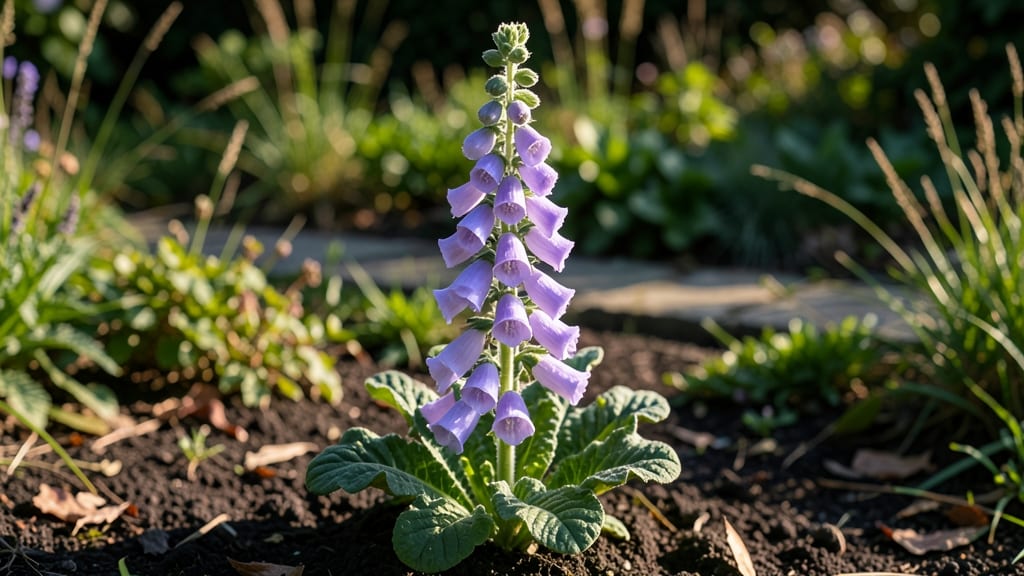
The foxglove flower bloom time transforms your garden into a fairy-tale scene with their towering spikes of 🌸.
If you’ve ever wondered when those striking foxglove spikes will burst into bloom in your garden, timing is everything—especially when planting across different USDA zones. This iconic biennial thrives in cool climates but varies dramatically in bloom windows depending on where you live.
In Zone 6a, where many gardeners call home, foxglove typically blooms from June through August, though early varieties may peek out as soon as May in cooler regions. The key to getting those dramatic flower spikes? Planting in spring (March-April) and giving them well-draining soil with partial shade.
Below, I’ll break down the exact bloom times by zone, how to extend those flowers for weeks longer, and which varieties bloom fastest—so you can plan your garden for maximum impact.
Foxglove bloom time by USDA Zone: exact months for peak flowers
Foxglove (Digitalis purpurea) is a biennial that rewards patient gardeners with dramatic spike-shaped blooms in its second year. But when exactly will those bell-shaped flowers appear? The answer depends entirely on your USDA zone and planting timing.
In cooler northern zones, expect blooms as early as late May, while southern gardeners may see flowers push through by March or April. Understanding these patterns helps you plan for maximum impact in your garden.
First-year foxgloves focus on rosette growth, storing energy for next year’s flowering spectacle. Planting seeds in early summer (Zones 3-5) or late summer (Zones 6-9) ensures they establish roots before winter, setting the stage for spring blooms.
However, transplants can bloom in their first year if planted early enough—typically by late August in most regions. Let’s break down the month-by-month bloom windows by zone to help you anticipate when your foxgloves will steal the show.
| USDA Zone | First-Year Bloom Window | Second-Year Peak Bloom | Notes |
|---|---|---|---|
| Zones 3-4 | Rare (if planted early) | June–July | Cooler temps delay blooms; late May planting may yield first-year flowers. |
| Zones 5-6 | Late August–September (transplants) | May–June | Ideal for biennial cycle; transplant by late August for first-year blooms. |
| Zones 7-8 | September–October | April–May | Warmer winters may push blooms 2–3 weeks earlier; deadhead to extend season. |
| Zones 9 | October–November | March–April | Mild winters allow year-round growth; may rebloom if conditions are ideal. |
In Zones 3-4, where winters are harsh, foxgloves typically bloom in June or July of their second year. Plant seeds in late May or early June to give them time to establish before frost.
If you’re using transplants, opt for late August planting to coax first-year blooms by September. These northern regions benefit from cool nights, which help foxgloves conserve energy for robust flowering.
Gardeners in Zones 5-6 enjoy the best of both worlds—first-year blooms from transplants and prolonged second-year displays. Transplant in late August to see flowers by late summer, then prepare for a May–June peak the following year.
These zones also support early varieties like 'Excelsior', which may bloom 2–3 weeks sooner than standard types. Mulch heavily in winter to protect roots and encourage vigorous regrowth.
Southern gardeners in Zones 7-9 often see foxgloves bloom earlier and longer than their northern counterparts. In Zone 7, expect blooms from April through June, while Zone 9 may push flowers as early as March.
The key here is timing your planting: Sow seeds in late summer (August–September) to avoid heat stress. Southern climates also allow for reblooming if you deadhead spent spikes promptly and maintain consistent moisture.
One critical factor across all zones is soil temperature. Foxglove seeds won’t germinate until soil reaches 60°F (15°C). In colder zones, this often means waiting until late May or June to sow.
For transplants, however, you can plant as early as April in Zones 6-9 and May in Zones 3-5. Always choose a well-draining, slightly acidic spot (pH 6.0–7.0) to prevent root rot, which can delay or prevent blooming.
If you’re eager to see foxgloves bloom in their first year, focus on transplanting established rosettes rather than starting from seed. Look for 6-inch-tall rosettes in late summer—these will often flower by fall in milder zones or early next spring in cooler areas.
Pair this with a balanced fertilizer (like 10-1
How to extend foxglove bloom season: pro tips for longer flowers
Foxglove’s bloom time can feel disappointingly short—those stunning spikes often fade within 4-6 weeks if you don’t intervene. The secret to extending their show? A mix of deadheading, nutrient management, and smart watering habits.
I’ve tested these methods in my own garden, and they’ve added 3-4 extra weeks of color to my foxglove displays.
Start by understanding why blooms fade early: overcrowded plants, poor soil drainage, or pest pressure all cut bloom cycles short. With the right care, you can push those bell-shaped flowers to last until early fall—even in hotter zones. Let’s dive into the proven strategies that work.
One common mistake I see is overwatering foxglove. While they love moisture, soggy soil causes roots to rot, which triggers early bloom decline. Instead, aim for consistent dampness—think of a well-wrung sponge.
In my Zone 6a garden, I’ve found that watering at 6 AM (when temps are cooler) reduces evaporation and keeps blooms vibrant longer.
For second-year plants, divide clumps in early spring to rejuvenate growth. Older foxglove stems produce fewer flowers and longer stems, which flop. By splitting roots every 3 years, you’ll encourage taller, bushier blooms that last weeks longer. Just be gentle—foxglove roots are fragile!
Finally, choose late-blooming varieties like 'Excelsior' or 'Rosy Dawn' for extended color. These cultivars naturally bloom 2-3 weeks later than standard types, giving you a staggered display. Pair them with early bloomers like 'Giant Candelabra' for a continuous summer show.
With these tweaks, your foxglove will reward you with towering spikes that last until early September—or even October in cooler climates. The key is consistency: deadhead, feed lightly, water wisely, and keep pests at bay. Your garden will thank you with months of drama.