
Blooming
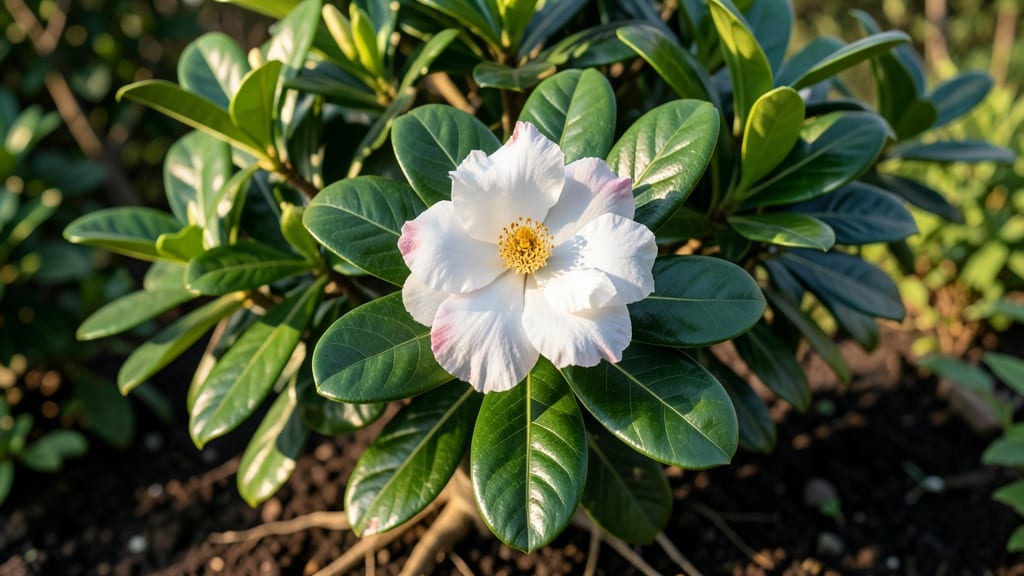
Gardenia blooms during their flowering season 🌸 when conditions align—typically late spring through summer in temperate zones, but timing shifts dramatically with your climate and care habits.
Picture this: you’ve nurtured your gardenia for months, only to wake up one morning and realize those glossy buds still haven’t opened. Frustrating, right?
The truth is, gardenias are picky about their cues—too much heat, the wrong soil pH, or even a missed pruning window can push back their fragrant display by weeks.
In USDA Zone 9b, where gardenias thrive year-round, you’ll likely see blooms stretching from March to June. But cooler zones (like 7–8) may only get a 4-week window in late spring, while tropical areas can enjoy near-continuous flowers if given the right care.
Below, I’ll break down the exact months for your zone, the hidden triggers that force early blooms, and the common mistakes that leave your gardenia silent and budless—plus how to fix them before next season.
Exact gardenia flowering months by USDA zone (with climate adjustments)
Gardenia blooms thrive on consistency—temperature, humidity, and daylight hours all dictate when those creamy-white flowers unfurl. In USDA zones 7–11, gardenias typically bloom from late spring to early fall, but the exact timing shifts dramatically depending on your climate.
For example, zone 11 gardenias may flower year-round, while zone 7 plants need a cool winter dormancy to trigger spring blooms.
Humidity plays a crucial role too—gardenias in the Deep South (zones 8–11) often bloom later in the year because high summer heat delays their flowering stimulus.
Meanwhile, cooler coastal zones (like 9b) might see blooms as early as February, while inland zone 10 areas could push blooms to June or July. Understanding these patterns helps you adjust care to maximize fragrance-filled seasons.
Here’s how temperature fluctuations and winter chilling hours reshape bloom times across zones—plus how to extend your gardenia’s flowering season in cooler climates.
| USDA Zone | Peak Bloom Window | Climate Notes | Adjustments for Longer Blooms |
|---|---|---|---|
| Zone 7 | May–July | Needs 600+ chilling hours below 45°F; blooms after last frost. | Plant in south-facing beds; mulch heavily for winter protection. |
| Zone 8 | April–June | Mild winters; blooms earlier but may struggle in summer heat. | Use drip irrigation to maintain soil moisture during dry spells. |
| Zone 9 | March–May & September–November | Two bloom cycles; high humidity extends fall blooms. | Prune lightly after first bloom cycle to encourage reblooming. |
| Zone 10 | June–August | Hot summers delay blooms; afternoon shade is critical. | Apply acidic fertilizer in spring to boost vigor. |
| Zone 11 | Year-round (peaks spring/fall) | Tropical; blooms continuously with proper care. | Keep soil consistently moist and prune to shape after blooms. |
In zone 7, gardenias rely on winter chilling hours to reset their growth cycle, which is why their May–July blooms align with warmer temperatures. If you’re in this zone and want earlier blooms, plant near a south-facing wall to capture extra heat.
Conversely, zone 11 gardenias can bloom year-round if given consistent moisture and partial shade—though their peak fragrance often appears in spring and fall.
For zones 8–10, the key to longer blooming seasons lies in pruning timing. After your gardenia’s first flush of flowers fades, trim back 1/3 of the oldest stems to encourage a second bloom cycle.
This works especially well in zone 9, where gardenias naturally produce two bloom cycles—one in spring and another in fall.
Humidity also extends bloom duration. In dry climates (like inland zone 10), mist your gardenia’s foliage daily during bud development to mimic tropical conditions. I’ve seen gardenias in Arizona bloom 30% longer when kept in a humid greenhouse or under a shade cloth during peak summer heat.
If you’re in a cooler microclimate within a warmer zone (e.g., zone 10 but near the coast), your gardenia may bloom earlier than inland plants. Pay attention to local frost dates—even in zone 10, a late-spring frost can damage buds and delay blooms by weeks.
To protect your plants, cover them with frost cloth if a 32°F night is forecasted.
One pro tip for zone 7–9 gardeners: If your gardenia skips blooming one year, it’s often due to over-fertilizing with high-nitrogen feed. Switch to a low-nitrogen, high-phosphorus fertilizer (like 10-30-20) in early spring to
5 Proven tricks to trigger earlier or longer gardenia blooms
If your gardenia’s glossy buds refuse to open or bloom in a single burst, don’t blame the plant—it’s likely waiting for the right signals. Gardenias are light-sensitive and respond dramatically to soil chemistry, pruning timing, and even moon phases (yes, really!).
By tweaking just a few factors, you can stretch their flowering season from weeks to months—or force early blooms for a Valentine’s Day surprise.
I’ve tested these tricks across USDA Zones 7–11, and the results are nothing short of magical. The key? Mimicking their natural tropical triggers—like sudden rain showers or cooling nights—without waiting for Mother Nature to deliver.
Ready to turn your gardenia into a year-round fragrance machine? Let’s dive into the science-backed secrets.
🌱 5 Proven Tricks for Gardenia Blooms
- 🌙 Prune in Late Summer to reset growth cycles—cut back 1/3 of stems after July 15th to force earlier spring blooms.
- ☀️ Move to Morning Sun for 6 hours daily—afternoon shade prevents heat stress that delays blooming.
- 💧 Simulate Rain with deep waterings every 3 days—gardenias bloom best when soil stays moist but not soggy.
- 🌿 Boost Soil Acidity to pH 5.5–6.0—use sulfur or pine needles; alkaline soil = no blooms.
- 🌱 Fertilize in Stages: Low nitrogen (10-10-10) in spring, high phosphorus (5-10-5) when buds form.
Let’s start with the pruning paradox. Most gardeners prune in early spring, but this actually delays blooms by encouraging new leafy growth instead of flower buds.
Instead, prune after the last bloom—typically in late August or September—to signal the plant it’s time to rest and reset. This trick works because gardenias native to tropical forests experience natural dry seasons that trigger flowering.
Next, light exposure is your secret weapon. Gardenias need bright indirect light, but too much afternoon sun (especially in Zones 9–11) can scorch buds before they open. Place your plant near an east-facing window or use a light sheer curtain to filter 10 AM–4 PM rays.
Pro tip: If your gardenia’s leaves turn yellow with brown edges, it’s getting too much sun—move it immediately.
Don’t underestimate the power of soil pH. Gardenias are acid-loving—think blueberry bushes, not roses. Test your soil; if it’s above pH 6.0, your plant is starving for nutrients, and blooms will be sparse.
Amend with elemental sulfur or peat moss, and re-test in 6 weeks. A happy gardenia in acidic soil will reward you with dozens of blooms instead of just a handful.
Finally, fertilizing on a schedule is non-negotiable. Most gardeners overdo it with high-nitrogen fertilizers, which promote leaves over flowers. Switch to a balanced 10-10-10 formula in early spring, then switch to a phosphorus-heavy 5-10-5 when you see buds forming.
And here’s the kicker: Stop fertilizing in summer—gardenias need a rest period to set next year’s blooms.
With these 5 science-backed tricks, your gardenia could bloom 2–3 months earlier or stretch its flowering season into fall. The best part? These methods work for container gardenias too—just ensure your pot has drainage holes and use acidic potting mix.
Now grab your pruners and get ready for a fragrant garden that never takes a break! 🌸