
Size
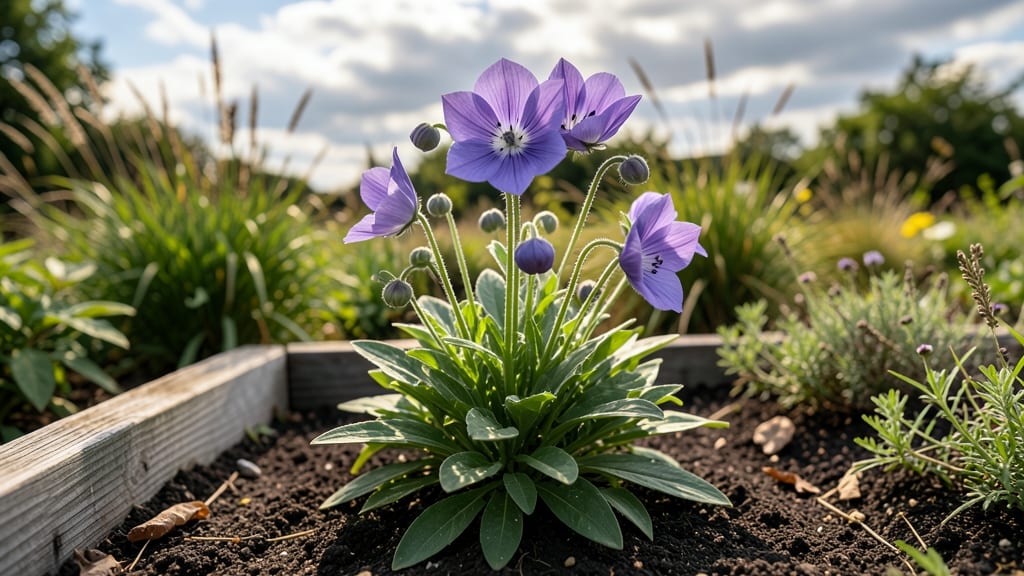
Balloon flowers grow between 1 and 3 feet tall—depending on the variety and care—making them a versatile choice for both small containers and larger garden beds.
If you're dreaming of a vibrant garden but wondering whether these eye-catching blooms will overwhelm your space, you're in the right place. Some varieties stay compact, perfect for window boxes, while others reach heights that rival small shrubs.
These perennials thrive in full sun and well-draining soil, and their mature size varies based on sunlight, spacing, and even regional climate. In cooler zones like 6a, they often grow taller, while hotter summers can keep them more restrained.
Below, I break down exact height ranges by popular varieties, plus pro tips to control their growth—whether you want them as a border plant or a container star.
Balloon flower height ranges by popular varieties (with exact measurements)
Balloon flowers (Platycodon grandiflorus) are famous for their whimsical blooms, but their mature heights vary dramatically between varieties. Some stay under 12 inches, perfect for containers, while others reach 3 feet, making them standout border plants.
Understanding these ranges helps you choose the perfect variety for your garden design, whether you want a compact cottage garden or a tall perennial backdrop.
Most balloon flowers bloom in summer and fall, but their size at maturity determines where they thrive. Dwarf varieties work beautifully in rock gardens or window boxes, while taller types anchor perennial borders or mixed flower beds.
Let’s explore the exact height ranges of the most popular cultivars so you can plan your space wisely.
⚠️ Visual Comparison: Imagine a dwarf variety (like 'Little Bell') sitting comfortably in a 6-inch pot, while a tall variety (like 'Grandiflorus') would reach the height of a small shrub in your garden. This visual guide helps you visualize their mature sizes before planting.
| Variety | Mature Height | Mature Width | Best For | Color Range |
|---|---|---|---|---|
| 'Little Bell' | 12–18 inches | 12–15 inches | Containers, rock gardens | Blue, purple, white |
| 'Grandiflorus' | 24–36 inches | 18–24 inches | Perennial borders, back of beds | Deep purple, blue |
| 'Marine' | 18–24 inches | 15–18 inches | Mixed borders, cottage gardens | Blue, lavender |
| 'Albus' | 20–30 inches | 18–22 inches | Cut flowers, tall arrangements | White |
| 'Blue Boy' | 15–20 inches | 12–15 inches | Front of borders, containers | Bright blue |
If you're growing balloon flowers in containers, opt for dwarf varieties like 'Little Bell' or 'Blue Boy', which stay under 2 feet. These thrive in 6- to 8-inch pots with well-draining soil, making them ideal for balconies or patios.
For in-ground planting, taller varieties like 'Grandiflorus' add drama to the back of borders, while 'Marine' blends seamlessly into cottage-style gardens.
One of my favorite tricks is pairing tall balloon flowers with shorter perennials like salvia or catmint. The height contrast creates a stunning vertical garden effect while keeping maintenance manageable. For example, a 3-foot 'Grandiflorus' paired with 1-foot salvia creates layers that draw the eye upward.
In USDA Zones 3–8, balloon flowers are perennial, meaning they return year after year, gradually increasing in height. First-year plants may only reach half their mature size, but by year two, they’ll fill out completely.
This slow-and-steady growth makes them a reliable choice for long-term garden planning.
For small spaces, consider 'Little Bell', which stays under 18 inches and spreads 12–15 inches wide. It’s perfect for window boxes or fairy gardens.
Meanwhile, 'Albus', with its white blooms and 20–30-inch height, makes a striking focal point in cut flower arrangements or moon gardens.
Pro tip: If you’re unsure about spacing, err on the side of more room. Balloon flowers resent crowding, which can stunt their growth or lead to pests like aphids. Aim for 12–18 inches apart
How to control balloon flower size: Pruning, spacing, and soil tips
Balloon flowers (Platycodon grandiflorus) are versatile plants that can thrive in both compact and sprawling forms, depending on how you care for them. The key to controlling their size lies in three main factors: pruning techniques, proper spacing, and soil management.
Whether you want a neat, low-growing border or a dramatic vertical statement, these strategies will help you shape your balloon flowers to fit your garden vision.
For dwarf varieties, focus on well-draining soil and minimal fertilization to keep growth tight and controlled. Taller varieties, on the other hand, benefit from nutrient-rich soil and strategic pruning to encourage upward growth. Let’s break down how to tailor your approach based on your desired height and garden layout.
When it comes to pruning, timing is everything. For compact growth, pinch back the tips of young plants when they reach 6 inches tall. This encourages bushier, shorter stems. If you’re growing taller varieties, wait until after flowering to prune back one-third of the plant to promote new growth for next year. Always use clean, sharp shears to avoid damaging the stems. Soil composition plays a surprising role in height control. Well-draining soil with added perlite or sand keeps roots from becoming waterlogged, which can stunt growth. For taller balloon flowers, amend your soil with aged compost or worm castings to provide steady nutrients without overfeeding. A soil pH between 6.0 and 7.0 is ideal for most varieties, ensuring they absorb nutrients efficiently. Don’t overlook the power of spacing—crowded plants compete for resources and often grow leggy or weak. Follow the guidelines above, but adjust slightly based on your climate. In cooler regions, plants may stay shorter naturally, while warmer zones can produce taller, more vigorous growth. If you’re container gardening, choose pots with at least 12 inches of depth to accommodate root growth. For a neat, manicured look, combine these techniques with regular deadheading. Remove spent blooms promptly to redirect the plant’s energy into stronger stems rather than seed production. This keeps your balloon flowers looking their best while maintaining your desired height. With these tips, you’ll have full control over how big—or small—your balloon flowers grow!