
Flowers
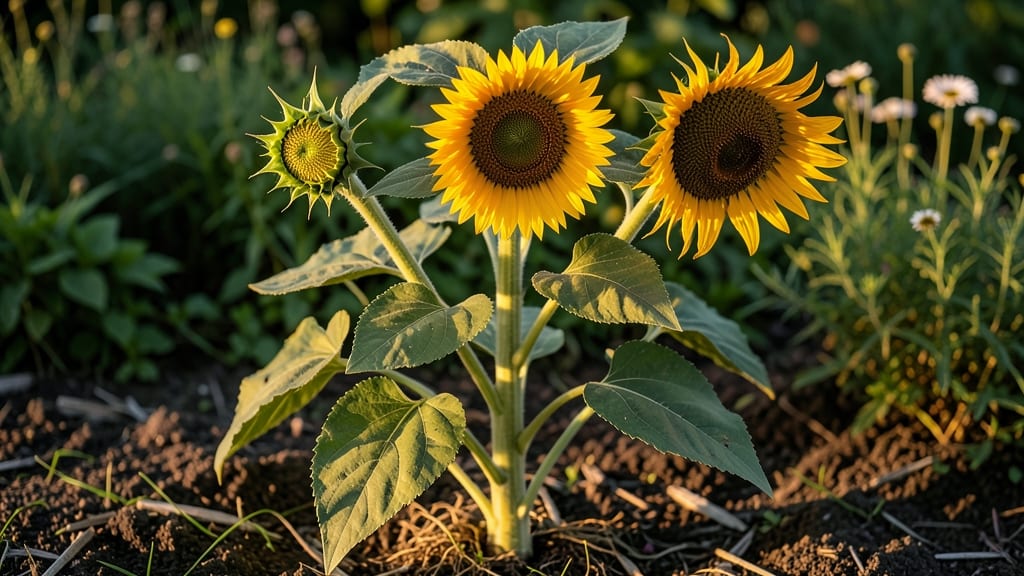
Sunflowers grow to heights that can range from just a few feet to over 16 feet—depending on the variety, growing conditions, and a little bit of luck.
Picture this: you plant a seed in spring, and by summer, you’re staring up at a towering 🌻 that rivals your fence or even your roof.
But not all sunflowers are giants—some stay compact, perfect for small gardens or containers. The truth? Size depends entirely on what you choose to grow.
In this guide, we’ll break down the height differences between dwarf, medium, and giant sunflower varieties, so you can pick the perfect one for your space. You’ll also learn how sunlight, soil, and spacing play a role in their growth—and why some varieties might surprise you with their final size.
Ready to plan your sunflower patch? Let’s dive into the numbers, from seed to sky, so you can set your expectations—and your garden—up for success.
Sunflower height by variety: from dwarf to giant chart
Choosing the right sunflower variety is like picking your garden’s skyline—some stay humble at 3 feet, while others shoot past 12 feet like skyscrapers. The height of your sunflower isn’t just about aesthetics; it impacts spacing, sunlight exposure, and even wind resistance.
Whether you’re crammed in a patio container or dreaming of a sunflower tower, knowing the height range helps you plan for success. Let’s dive into the three height categories and the varieties that define them.
The dwarf varieties are perfect for small spaces, containers, or cutting gardens where height isn’t a priority. These sunflowers typically mature between 1 and 3 feet, making them ideal for balconies, window boxes, or companion planting near shorter veggies.
Their compact size also means they’re less prone to wind damage or toppling, which is a relief if you’re in a breezy climate. Plus, their early bloom time means you’ll enjoy colorful faces sooner than their towering cousins.
Medium-height sunflowers strike a balance, reaching 3 to 6 feet at maturity. This category is the workhorse of sunflower varieties—versatile enough for border gardens, cutting arrangements, or even as a privacy screen when planted in a row.
They’re also great for beginner gardeners because they’re forgiving with spacing and don’t require the same staking support as giants. Varieties here often have larger blooms than dwarfs but aren’t as demanding as the tallest types.
Now, let’s talk giants—the sunflowers that turn your garden into a vertical jungle. These varieties can soar 8 to 16 feet tall, making them a statement piece or even a shade provider in sunny climates.
However, their height comes with challenges: they need deep soil, sturdy staking, and plenty of space to avoid crowding. If you’re growing giants, think of them like skyscrapers—they need a solid foundation and room to stretch their leaves toward the sun.
Here’s the game-changer: not all sunflowers in the same category grow at the exact same rate or height. Factors like soil fertility, watering consistency, and sunlight exposure can tweak their final stature by 1 to 3 feet.
For example, a ‘Moulin Rouge’ (a dwarf) might only hit 2 feet in poor soil but 3 feet with rich compost. Meanwhile, a ‘Russian Giant’ could max out at 14 feet with ideal care—or flop to 10 feet if nutrients are lacking.
Below is a height comparison chart breaking down popular varieties by category, including their average mature height, bloom time, and ideal growing conditions.
Use this as your cheat sheet to pick the perfect sunflower for your garden’s layout and your personal goals—whether that’s cut flowers, seed production, or just pure, cheerful drama.