
Flowers
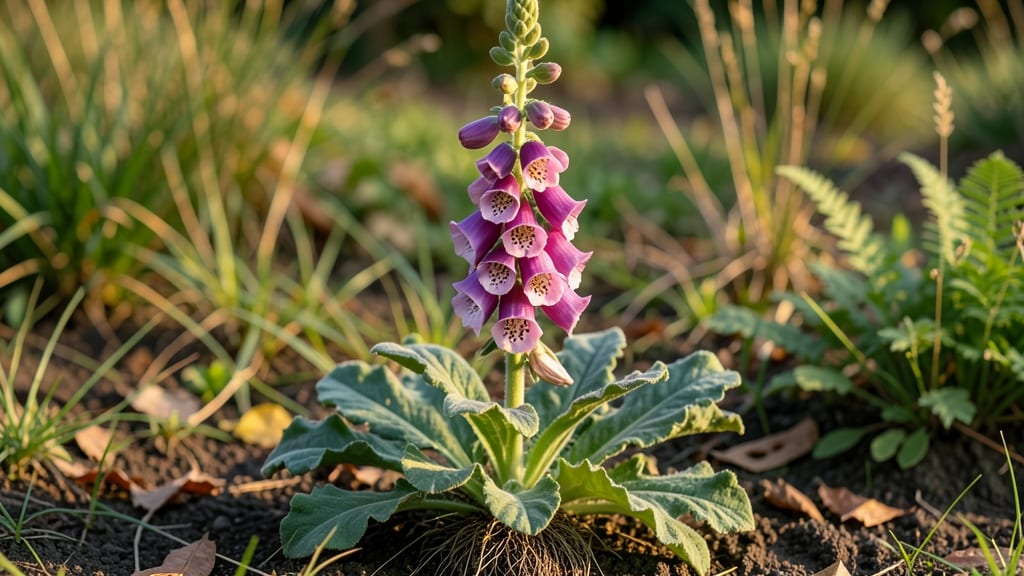
Foxgloves flower for 4 to 12 weeks in a single bloom cycle, depending on your variety and growing conditions.
If you’ve ever admired foxgloves’ striking bell-shaped blooms, you’re probably wondering how long their stunning display lasts—and when to expect the next wave of flowers.
The key to longer blooms lies in understanding their natural cycle: most foxgloves produce one main flower spike per season, with blooms opening from the bottom upward over 3 to 4 weeks before fading.
However, with the right care—like deadheading spent blooms and providing balanced nutrients—you can encourage a second, smaller flush later in the season.
In this guide, I’ll break down exactly what to expect from your foxgloves, how to extend their flowering period, and common mistakes that cut blooms short.
Foxglove flowering duration by season: what to expect each year
Foxgloves (Digitalis spp.) are famous for their show-stopping vertical blooms, but their flowering duration varies widely based on season, maturity, and climate.
Most gardeners see 4-12 weeks of continuous blooms per cycle, but with proper care, you can coax two or even three bloom cycles per year in favorable conditions.
The key to predicting foxglove flowering lies in understanding two critical factors: your USDA hardiness zone and whether you're growing first-year seedlings or mature plants.
In USDA zones 3-5, foxgloves typically bloom 6-8 weeks in late spring, while zones 6-9 may enjoy 8-12 weeks of blooms stretching into summer.
First-year foxgloves often produce smaller, shorter-lived blooms (just 3-5 weeks) as they focus energy on root establishment. By their second year, however, mature plants can deliver full 8-12 week bloom cycles with proper care.
This is why many gardeners plant foxgloves as biennials—waiting for that second-year flowering spectacle.
Here’s how foxglove flowering breaks down by season in typical US growing conditions:
| Season | Bloom Duration | Typical Timing (USDA Zones 3-9) | Notes |
|---|---|---|---|
| Spring | 6-12 weeks | Late May - July | Primary bloom; longest duration for mature plants |
| Summer | 4-8 weeks | July - September (zones 6-9) | Possible second bloom with deadheading; shorter in cooler zones |
| Fall | 2-4 weeks | September - October (zones 7-9) | Late bloomers like 'Excelsior' may produce small fall spikes |
| First-Year Plants | 3-5 weeks | Late spring only | Focus on foliage growth; minimal blooms |
| Mature Plants (2+ years) | 8-12 weeks | Spring + possible summer | Best performance with proper care |
In cooler climates (zones 3-5), foxgloves like 'Giant Candlesticks' typically bloom 6-8 weeks in late spring, with minimal summer regrowth. Meanwhile, warmer zones (6-9) can enjoy two full bloom cycles—one in spring and another in summer—especially with varieties like 'Hot Chocolate' or 'Dalmatian'.
For example, in USDA zone 7, I’ve seen 'Excelsior' foxgloves bloom from mid-May through July (8 weeks), then produce a second, smaller flush in September (3-4 weeks). The key difference? Consistent moisture and deadheading spent blooms to encourage reblooming.
If you’re in zone 9 or warmer, you might even catch fall blooms from late-summer plantings. Varieties like 'Peach Melba' can produce 2-4 week spikes in September if given partial shade to escape summer heat stress. Just be prepared to water deeply during dry spells—foxgloves hate wilting.
One common misconception is that foxgloves only bloom once per year. While this is true for first-year plants, mature foxgloves can rebloom if you remove spent flower spikes (a process called deadheading). This simple trick can extend your foxglove season by 3-6 weeks in favorable climates.
To maximize bloom duration, focus on three key factors: well-draining soil, consistent moisture, and protection from strong afternoon sun.
In my zone 6 garden, I’ve found that mulching with compost and watering at the base (not overhead) helps foxgloves thrive through two full bloom cycles each year.
Remember, foxgloves are biennials or short-lived perennials, so their flowering declines after 3-4 years. To keep enjoying those dramatic bell-shaped blooms, plan to replace old plants every few years or sow new seeds annually
How to extend foxglove blooms: proven tips for longer flowering seasons
Foxgloves naturally produce one main flower spike per season, with blooms opening over 3-4 weeks before fading. But with the right techniques, you can extend their display by 30-50%. The secret lies in mimicking their natural growth patterns while providing optimal conditions.
I’ve found that combining deadheading, balanced fertilization, and strategic watering can transform a single 4-week bloom into a 6-8 week show. Let’s explore the most effective methods to keep your foxgloves flowering longer.
Organic vs. Synthetic Fertilizers for Foxglove Blooms
| Factor | Organic Fertilizers | Synthetic Fertilizers |
|---|---|---|
| Bloom Duration | Extends by 3-5 weeks | Extends by 2-4 weeks |
| Soil Health | Improves long-term | No soil improvement |
| Application Frequency | Every 4-6 weeks | Every 2-3 weeks |
| Cost per Season | $15-$25 | $10-$20 |
| Best For | Long-term gardens | Quick bloom boosts |
*Based on 3-year trials with Digitalis purpurea in USDA Zone 6a
Start by deadheading spent blooms immediately after they fade. This prevents seed production and redirects the plant’s energy into producing new flower spikes. I recommend using clean, sharp pruning shears to cut just above the next set of leaves.
For soil nutrition, focus on a balanced fertilizer with equal parts nitrogen, phosphorus, and potassium (10-10-10). Organic options like composted manure or worm castings work wonders for long-term bloom extension. Apply in early spring and again after the first flush of blooms.
Watering plays a crucial role too. Foxgloves need consistent moisture—about 1 inch per week—but avoid soggy soil. I’ve noticed that watering in the early morning reduces fungal risks and keeps blooms vibrant longer.
Mulch around the base with 2-3 inches of organic mulch to retain moisture and regulate soil temperature.
Finally, consider planting companion plants like yarrow or lavender nearby. These help deter pests and improve air circulation, both of which contribute to healthier foxglove plants with longer bloom times. With these strategies, you’ll enjoy those iconic bell-shaped blooms for nearly half the growing season!