
How To
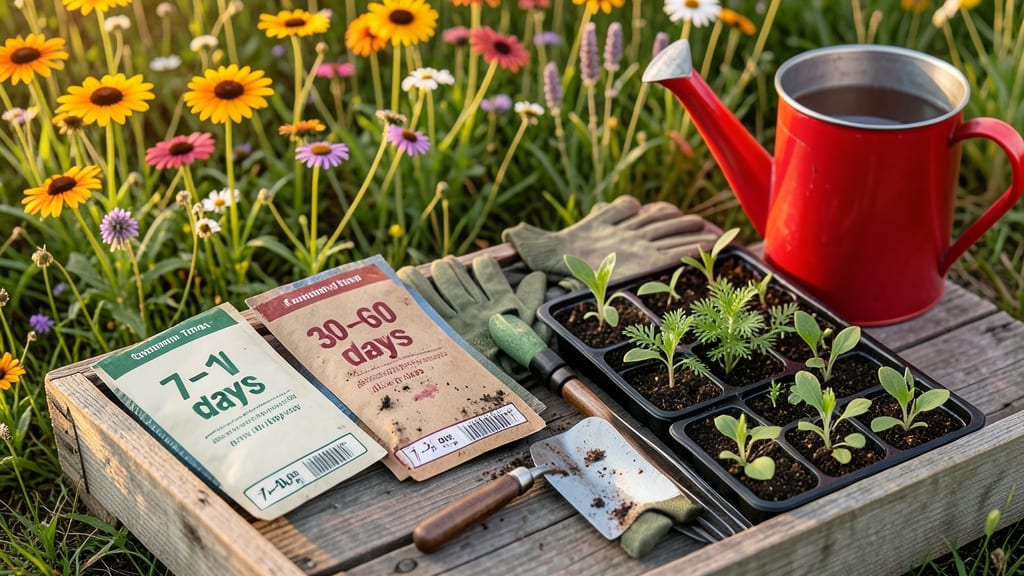
Growing wildflower seeds takes anywhere from 2 weeks to 6 months from planting to bloom, depending on the species and conditions — but knowing the right timeline turns waiting into a rewarding journey.
Picture this: you scatter those tiny 🌼 seeds in early spring, water them gently, and then... what? The real magic happens underground, where roots tangle and leaves unfurl in their own time.
Some varieties, like cosmos, pop up in just 5-10 days, while others, like black-eyed Susans, take 3-4 weeks to sprout — and that’s before you even see a single bloom.
What you’ll discover here is how to read the signs of progress, adjust for your climate, and give your wildflowers the best shot at thriving. Whether you’re planting in Zone 6a or another region, these month-by-month stages will help you track growth like a pro.
From the first green shoots to the vibrant summer blooms, we’ll break down the science behind the wait — and share the simple tricks that can speed up the process without sacrificing natural beauty.


Wildflower seed germination timeline: when to expect sprouts by seed type
Wildflower seeds don't follow a one-size-fits-all schedule—some burst through soil in just 5 days, while others take 60+ days to show signs of life. The key difference lies in whether they're annuals (fast-growing, one-season wonders) or perennials (slower starters that return yearly).
Even within these groups, cosmos and zinnia might surprise you with sprouts in 7-10 days, while black-eyed Susans or cone flowers play the long game at 14-21 days.
Soil temperature is the secret weapon for speeding up germination. Most wildflowers need soil between 60-75°F to wake up from dormancy. If your spring soil is still chilly (50°F or below), germination can drag out for weeks longer.
That's why fall planting often works better—cooler temps trigger natural stratification, breaking seed coats and preparing them for spring growth.
Moisture matters just as much as temperature. Seeds need consistent dampness (not soggy!) to activate enzymes that kickstart growth. A light misting twice daily keeps the soil moist without drowning tender sprouts. Pro tip: Use a spray bottle instead of a hose to avoid disturbing seeds or washing them away.
Seed coatings also play a role. Many wildflower seeds come with a natural protective layer that requires scarification (scratching) or stratification (cold treatment) to soften. If you're impatient, soak seeds in warm water for 24 hours before planting—this mimics natural weathering and can shave 3-5 days off germination time.
| Wildflower Type | Germination Time | Ideal Soil Temp | Key Care Tip |
|---|---|---|---|
| Fast-Germinating Annuals | 5–10 days | 60–75°F | Keep soil moist; thin seedlings at 3" |
| Cosmos, Zinnia, Sunflower | 7–14 days | 65–70°F | Direct sow after last frost |
| Moderate-Germinating Annuals | 10–21 days | 60–70°F | Lightly cover seeds (1/4") |
| Marigold, Snapdragon, Aster | 14–21 days | 55–65°F | Stratify seeds for 2 weeks |
| Slow-Germinating Perennials | 21–60+ days | 50–65°F | Plant in fall for natural stratification |
| Black-Eyed Susan, Coneflower, Bee Balm | 30–45 days | 45–55°F | Scratch seed coats before planting |
| Very Slow Starters | 60–90+ days | 40–50°F | Sow in containers indoors |
| Goldenrod, Milkweed, Yarrow | 75–120 days | 35–45°F | Mulch to retain moisture |
Don't panic if sprouts take longer than expected—some seeds, like milkweed, may lie dormant for months before germinating. This isn't failure; it's nature's way of ensuring survival. If you've waited 60 days
Month-by-month growth stages: from tiny sprouts to full bloom
Watching wildflowers grow is like unfolding a natural calendar—each month brings a new chapter in their journey from seed to bloom. The first green shoots might appear in as little as 5 days for fast varieties, while others take 3-4 weeks to break through the soil.
What you see above ground is just the beginning, though—roots are already weaving through the soil, searching for nutrients to fuel the magic above.
Understanding these stages helps you set realistic expectations and troubleshoot delays. For example, cold snaps can pause germination, while consistent moisture and warmth accelerate it. Even the most patient gardener will appreciate knowing when to expect leafy greens, budding stems, and finally, those showstopping blooms that make it all worthwhile.
Tiny 🌱 shoots emerge 5-21 days after planting. Fast growers like cosmos and zinnia lead the way, while black-eyed Susans lag behind. Keep soil moist but not soggy—overwatering can drown delicate sprouts.
Plants develop 2-4 inch leaves as roots deepen. This is the critical establishment phase—thin seedlings if crowded to avoid competition. Morning sunlight and light fertilizer (5-10-10) boost growth.
Stems lengthen rapidly (1-2 inches/week) as plants reach mature height. Tall varieties like sunflowers may need staking. Reduce watering slightly to strengthen stems and prevent flopping.
Flower buds form at stem tips. This stage is sunlight-hungry—plants need 6+ hours daily to produce vibrant blooms. Deadhead spent flowers to encourage continuous blooming.
Full blooms arrive! Annuals (like marigolds) peak in 8-12 weeks, while perennials (like coneflowers) may take 2-3 years for maximum impact. Enjoy the show—then collect seeds for next year!
Environmental factors can shift this timeline dramatically. A late spring frost might delay sprouting by weeks, while a drought in Month 3 can stunt stem growth. Conversely, ideal conditions—warm soil, consistent moisture, and full sun—can push fast growers to bloom in as little as 60 days.
Pay attention to your local climate: Zone 6a gardeners often see slower progress in early spring compared to sunnier regions.
Pro tip: Use a garden journal to track your wildflowers’ progress. Note when sprouts appear, how tall they grow each week, and any unexpected setbacks (like pests or heatwaves). Over time, you’ll recognize patterns unique to your garden—and maybe even outpace the timeline with a few clever adjustments.
Remember, the journey from seed to bloom is as much about observation as it is about action. Every stage—from the first 🌱 shoot to the last 🌻 petal—is a testament to nature’s patience. And when those blooms finally arrive, the wait will feel like the sweetest reward in gardening.