
Size
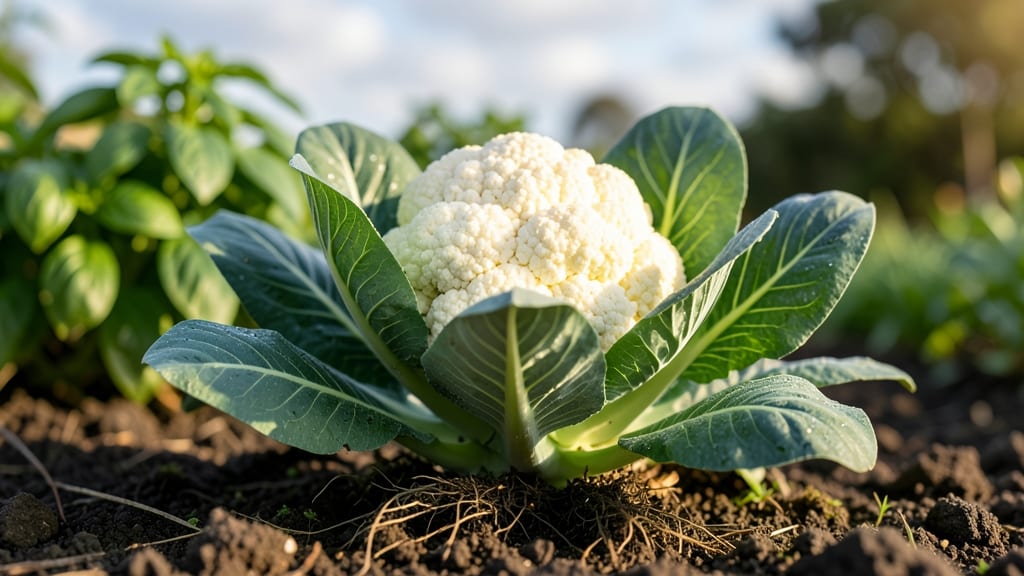
Cauliflower takes between 70 and 100 days to grow from seed to harvest, depending on the variety and growing conditions 🥬 — but many gardeners miss the mark by planting too late or choosing the wrong type.
If you’ve ever wondered why your cauliflower plants seem to vanish overnight—or why some varieties take twice as long as others—you’re not alone. Understanding the exact growth timeline is the key to planning harvests, avoiding disappointment, and maximizing your garden’s productivity.
Most home gardeners plant Snowball or Purple of Sicily, which mature on the faster end of the spectrum, while heirloom varieties like Romanesco can stretch toward 100 days or more. Climate plays a role, too: cooler zones like 6a often see slower growth compared to warmer regions.
Below, I break down the exact days by variety, how to adjust for your zone, and 5 proven tips to harvest cauliflower 10-20 days faster—no shortcuts, just smart gardening.


Cauliflower growth timeline: days to maturity by popular variety
If you're planning your garden and wondering how long does cauliflower take to grow, the answer depends entirely on the variety you choose. Some cauliflower types mature in as little as 60 days, while others take nearly 120 days to reach harvest.
The key is selecting the right variety for your climate and planting schedule. For example, my Snowball cauliflower plants typically reach maturity in 70-80 days, while Romanesco varieties often need closer to 90-100 days. Understanding these timelines helps you avoid disappointment and plan your garden layout more effectively.
Cauliflower growth happens in distinct stages: from seed germination to head formation, and finally to harvest readiness. Each stage has specific requirements that can either accelerate or delay your harvest.
For instance, the seedling stage (0-14 days) is critical for establishing strong roots, while the head formation stage (30-60 days) determines the size and quality of your cauliflower. By knowing these stages, you can troubleshoot issues like slow growth or poor head development before they become major problems.
Here’s a quick visual guide to help you compare popular cauliflower varieties and their growth timelines. This summary table breaks down the key details you need to plan your planting schedule and set realistic harvest expectations.
| Variety | Days to Maturity | Head Size | Best For | Notes |
|---|---|---|---|---|
| Snowball | 60-75 days | 6-8 inches | Home gardens, early harvests | Fastest-growing; great for cool climates |
| Romanesco | 90-100 days | 8-10 inches | Unique appearance, ornamental gardens | Fractal-like heads; needs consistent moisture |
| Purple of Sicily | 75-90 days | 8-12 inches | Heat tolerance, visual appeal | Color fades when cooked; heat-resistant |
| Cheddar | 80-90 days | 6-8 inches | Small gardens, container growing | Compact; great for limited spaces |
| Graffiti | 70-80 days | 6-8 inches | Colorful varieties, early harvests | Multi-colored heads; fast and reliable |
The head formation stage is where the magic happens, and this is when you’ll notice the most dramatic changes in your cauliflower plants. For varieties like Snowball, you’ll see the curd (the edible head) begin to form around 21-28 days after transplanting.
During this stage, it’s crucial to keep the soil consistently moist and protect the heads from direct sunlight, which can cause them to turn yellow or bitter. I’ve found that using shade cloth during hot afternoons helps maintain the white or purple color of the heads, depending on the variety.
If you’re growing cauliflower in cooler climates, like USDA zones 3-6, you’ll want to focus on early-maturing varieties like Snowball or Graffiti. These varieties thrive in spring planting and can often be harvested before the summer heat sets in.
In contrast, Romanesco and Purple of Sicily are better suited for warmer climates (zones 7-10) and can handle slightly longer growing seasons. For example, in my zone 7b garden, I plant Romanesco in early spring and again in late summer for a fall harvest.
One common mistake I see among new gardeners is assuming all cauliflower varieties have the same growth timeline. For instance, Cheddar cauliflower might take 10-15 days longer to mature than Snowball, even though they’re both considered "fast-growing" varieties.
This difference can throw off your entire planting schedule, especially if you’re trying to stagger harvests throughout the season. To avoid this, I always label my plants
Climate Zones & seasonal factors that speed up or delay harvest
Cauliflower's growth timeline isn't set in stone—it dances with your local climate zone, frost dates, and daylight hours. In my Zone 5 garden, I've seen 'Snowball' mature in 70 days during warm summers, while the same variety took 90 days in cooler springs.
These variations aren't just luck; they're science you can use to your advantage.
The USDA climate zones (3-10) create dramatic differences in cauliflower's speed. Southern gardeners in Zones 8-10 often enjoy 60-75 day harvests year-round, while northern growers in Zones 3-5 must time plantings carefully to avoid early frost damage.
Even within the same zone, seasonal temperature swings can add or subtract weeks from your harvest window.
| Climate Zone | Ideal Planting Window | Days to Maturity | Seasonal Adjustments |
|---|---|---|---|
| Zones 3-4 | Late May - Early June (after last frost) | 85-100 days | Use cold-hardy varieties; extend with row covers |
| Zones 5-6 | Early April - Mid-May (4-6 weeks before last frost) | 70-90 days | Plant succession crops every 3 weeks for continuous harvest |
| Zones 7-8 | March - April & August-Sept (fall crop) | 60-75 days | Fall plantings benefit from cooler temps; avoid summer heat |
| Zones 9-10 | September - November (fall/winter) | 55-70 days | Year-round growing possible; watch for bolting in heat |
Daylight hours play a sneaky role too. Cauliflower needs 12-14 hours of daylight for optimal growth, but too much summer sun can cause bolting (premature flowering).
In my Zone 6 garden, I've learned to plant early spring crops when days are shorter and fall crops when summer's long days have passed. This simple adjustment shaves 10-15 days off my harvest time.
Don't overlook soil temperature—cauliflower seeds need 40°F minimum to germinate, while established plants thrive in 60-75°F ranges. I once planted 'Purple of Sicily' in 50°F soil and waited 3 weeks longer for germination than my neighbor who used heated seed beds.
A $20 soil thermometer saved me countless hours of frustration.
For consistent 60-120 day harvests, I recommend these zone-specific strategies: Plant heat-tolerant varieties like 'Apollo' in Zones 9-10, use row covers in Zones 3-5, and try shade cloth during summer in Zones 6-8.
The key is matching your variety selection to your microclimate—not just your zone number.
Remember, even within a zone, microclimates create opportunities. My south-facing raised bed produces cauliflower 2 weeks earlier than my north garden spot. Pay attention to these local variations—they're your secret weapon for faster harvests without changing a single seed. 🌱