
Propagation
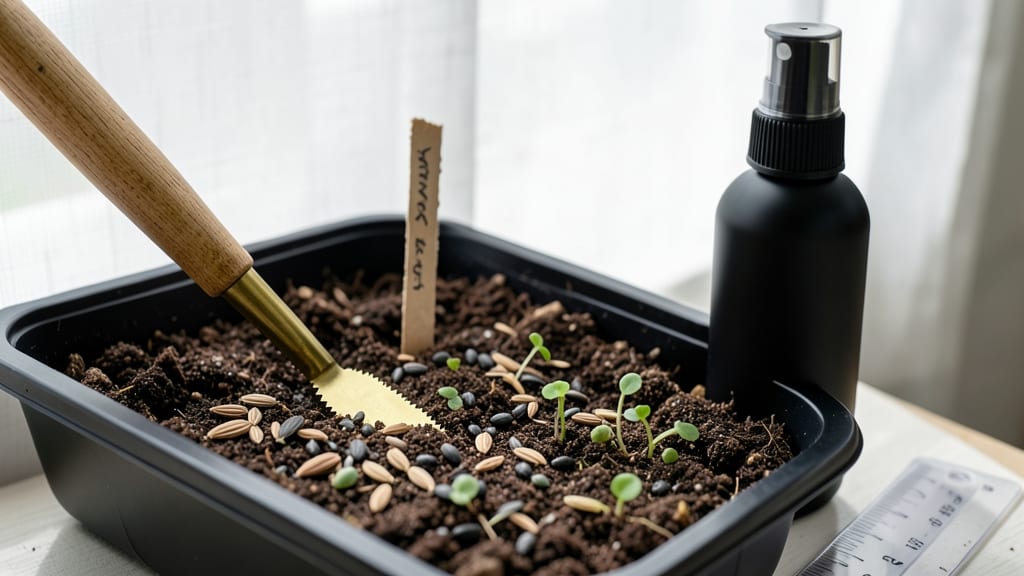
Wildflowers to germinate can take anywhere from 7 days to a full month, depending on the seed type and conditions you create.
Wildflowers bring vibrant color to any garden—but impatient gardeners often wonder why some seeds take weeks to sprout while others appear overnight. The truth lies in seed type, soil conditions, and a few clever germination hacks that can cut waiting time in half.
Annuals like cosmos and zinnias often sprout in 7 to 14 days with the right moisture and warmth, while perennials or seeds needing cold stratification (like poppies) may take 3 to 4 weeks to break dormancy.
Below, I’ll break down the fastest ways to encourage sprouting—from pre-soaking seeds to maintaining consistent soil moisture—so you can enjoy those cheerful blooms sooner.

Wildflower germination times by seed type: fast vs slow bloomers
Understanding wildflower germination times helps you plan your garden with confidence. Some seeds sprout in just days, while others need weeks or even cold stratification to break dormancy.
The key difference often lies between annual wildflowers (fast growers) and perennial varieties (slower starters). Let's explore the timelines and what influences them.
Fast-growing wildflowers like cosmos and zinnia often appear within 7-14 days under ideal conditions. These annual wildflowers thrive with consistent moisture and warmth, making them perfect for impatient gardeners.
Slower bloomers, such as black-eyed Susans or coneflowers, may take 3-4 weeks or longer to germinate, especially if they require stratification or light exposure.
🌱
| Wildflower Type | Germination Time | Special Requirements | Best Planting Time |
|---|---|---|---|
| Cosmos | 7-14 days | None | Spring or Fall |
| Poppies (Annual) | 14-21 days | Light exposure | Early Spring |
| Clover | 10-30 days | Cold stratification | Fall or Early Spring |
| Black-Eyed Susan | 21-30 days | Warm soil | Late Spring |
| Coneflowers | 14-28 days | None | Spring or Fall |
| Lupine | 21-45 days | Cold stratification | Fall |
Annual wildflowers like cosmos and zinnia are the speed demons of the garden, often sprouting within 7-14 days when planted in warm soil. Their quick germination makes them ideal for filling gaps or creating instant color.
These seeds don’t require any special treatment—just consistent moisture and warmth (around 70°F) will do the trick.
Perennial wildflowers, on the other hand, often need more patience. Many, like lupine or bluebonnets, require cold stratification—a period of cold, moist conditions—to break their dormancy.
This mimics winter’s natural process and can take 4-8 weeks in your fridge before planting. Without this step, germination times can stretch to 6-8 weeks or longer.
Some seeds, like poppies, need light exposure to germinate. Planting them too deeply can delay sprouting by weeks. For these, simply press the seeds into the top layer of soil (no deeper than 1/4 inch) and keep the soil moist but not soggy.
This ensures they get the sunlight they crave to kickstart growth.
Soil temperature plays a huge role in germination speed. Most wildflowers prefer 60-75°F soil for optimal sprouting. If your soil is too cold (below 50°F), germination can take 2-3 times longer.
Use a seedling heat mat or wait until spring to plant cold-sensitive varieties like sunflowers or marigolds.
Moisture is another critical factor. Seeds need consistent dampness (not saturation) to germinate. Overwatering can cause seeds to rot, while underwatering halts growth. A light misting or using a spray bottle keeps conditions ideal without drowning your seeds. Mulching with straw after planting helps retain moisture and regulates soil temperature.
🌿
Don’t be discouraged if your wildflowers take longer than expected to sprout. Some seeds, like milkweed, can lie dormant for years in the soil before germinating—nature’s way of ensuring survival in unpredictable climates.
If you’ve planted seeds and seen no signs of life after 4-6 weeks, try gently scratching the soil surface to check for tiny sprouts or replant a few seeds to test viability.
For the most reliable results, always check the seed packet for specific instructions. Some wildflower
5 Proven tricks to speed up wildflower germination in your garden
If you're eager to see those wildflower blooms pop up faster, the key lies in mimicking their natural growing conditions. Many seeds need specific triggers—like moisture, warmth, or even light exposure—to break dormancy.
With a few simple adjustments, you can cut germination time in half while avoiding common pitfalls that stall growth.
For example, cosmos seeds often sprout in just 7-10 days when pre-soaked, while black-eyed Susans may take 2-3 weeks without proper moisture. The difference? A few targeted tricks that create the perfect environment for tiny roots to push through the soil.
One of the biggest mistakes I see is planting seeds too deeply. Many gardeners bury them an inch or more, thinking it protects them, but wildflower seeds often need light to trigger germination.
Another common error? Inconsistent watering—letting soil dry out completely between waterings can kill seeds before they even sprout.
For perennial wildflowers like coneflowers or bee balm, consider cold stratification—placing seeds in the fridge for 2-4 weeks before planting. This mimics winter conditions and can reduce germination time by up to 10 days.
With these tricks, you’ll see those first tiny green sprouts in as little as 5-7 days for fast growers, or within 2 weeks for slower varieties. Patience is key, but these methods give your seeds the best possible start.