
Flowers
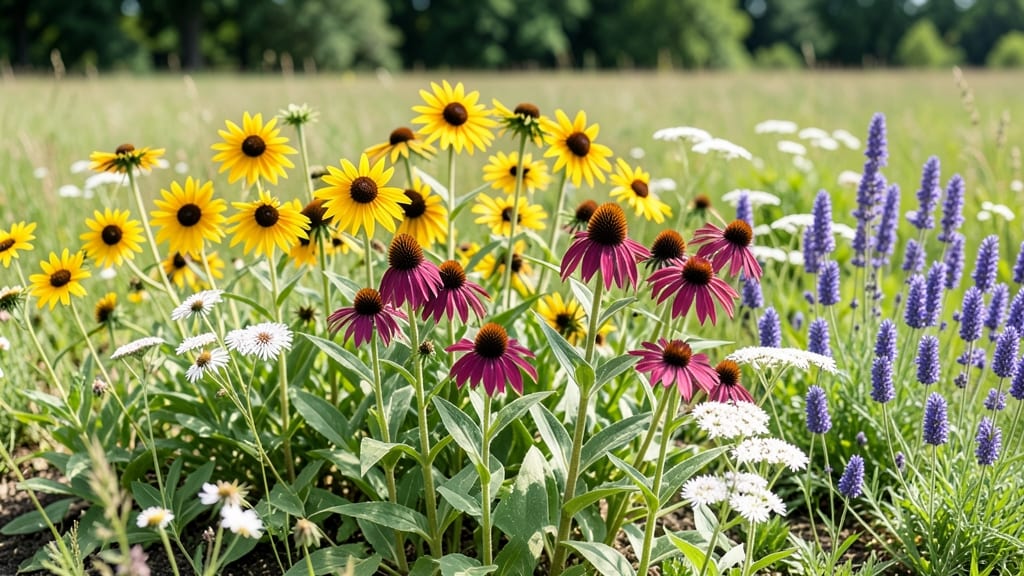
Wildflowers grow in timeframes that can surprise you—from as little as 3 weeks to over a year—depending on whether you’re planting annuals, biennials, or perennials.
Picture this: you scatter seeds in early spring, barely remembering to water, and by summer, your yard erupts in color. That’s the magic of fast-blooming annuals like cosmos or zinnias. But other wildflowers, like some perennials, take patience—think two seasons before they reward you with those first blooms.
Climate plays a huge role, too. In cooler zones like USDA 6a, wildflowers might linger longer before sprouting, while warmer regions could see them pop up in just a few weeks. Soil prep, sunlight, and even how deep you plant the seeds can shave weeks—or months—off that timeline.
Below, I’ll break down the exact growth stages for popular varieties, plus pro tips to speed up blooms (or manage slow growers) so you get the meadow of your dreams without the wait.


Wildflower growth timeline by seed type: fast vs slow bloomers
If you've ever scattered wildflower seeds with high hopes, only to wait months for color, you're not alone. The growth timeline for wildflowers varies dramatically—some bloom in just 3 weeks, while others take 3 years to reach full maturity.
Understanding these differences helps you plan your meadow for maximum impact. Annuals like cosmos deliver quick rewards, while perennials like black-eyed Susans build beauty over time.
Your climate plays a huge role too. In Zone 5, cool-season wildflowers may sprout in early spring, while Zone 9 gardeners can plant in fall for winter blooms. Even the seed depth matters—some need light to germinate, while others thrive when buried.
Let’s break down exactly what to expect from each type so you can set realistic expectations for your garden.
🌱 Fast bloomers (annuals) often surprise with vibrant colors within 8-12 weeks, while slow growers (perennials) reward patience with long-term beauty. The key is matching your planting time to your wildflower’s natural rhythm. For example, cosmos and zinnia sprout in 7-10 days and flower in 60 days, but coneflowers take 60-90 days just to sprout!
| Type | Germination Time | Time to Bloom | Lifespan | Best For |
|---|---|---|---|---|
| Annuals (e.g., Cosmos, Zinnia) | 7–14 days | 6–12 weeks | 1 growing season | Quick color, pollinators |
| Biennials (e.g., Foxglove, Hollyhock) | 14–30 days | 12–24 months | 2 years | Tall flowers, cottage gardens |
| Perennials (e.g., Coneflower, Black-Eyed Susan) | 14–90 days | 1–3 years | 3+ years | Low-maintenance meadows |
| Fast-Germinating Wildflowers (e.g., Poppies, Marigolds) | 3–7 days | 4–8 weeks | 1 season | Container gardens, quick fixes |
| Slow-Germinating Wildflowers (e.g., Lupines, Lavender) | 30–90 days | 2–3 years | 5+ years | Drought-resistant landscapes |
Annual wildflowers like cosmos and sunflowers are the stars of fast bloomers. They sprout in as little as 7 days and can flower in just 6 weeks if conditions are ideal. These are perfect for container gardens or filling gaps in your landscape quickly.
The trade-off? They’ll die back by frost, so you’ll replant yearly. For a low-maintenance approach, mix in biennials like foxglove, which store energy their first year to burst into tall spikes the next.
Perennials like coneflowers and bee balm are the slow-and-steady winners. They may take 60–90 days just to sprout, but once established, they return year after year. In my Zone 6 garden, coneflowers took 2 years to reach their full 3-foot height, but now they’re a pollinator magnet.
The secret? Patience and proper soil prep—these plants thrive in well-draining soil with minimal fertilizer.
Climate adjustments are critical. In hot, dry climates (like Zone 9), wildflowers often germinate faster in fall for winter blooms. Meanwhile, in cool climates (like Zone 4), wait until soil warms to 60°F before planting.
I once planted lupines too early in Zone 5, and they rotted—until I learned to wait until May when nights stayed above 50°F. Timing is everything!
Key milestones to watch include sprouting (tiny leaves breaking soil), rosette stage (low-growing leaves), and flower buds forming. For annuals, buds appear 4–6 weeks after sprouting, while perennials may take 6–12 months to show buds.
Mark your calendar! In my wildflower journal, I track these stages to predict blooming windows. For example, black-eyed Susans in my garden always bloom in July—right when my <
5 Critical factors that speed up or delay wildflower growth
Your wildflowers’ growth timeline isn’t set in stone—it’s a puzzle where soil quality, sunlight exposure, and even seed depth hold the pieces. Get these five factors right, and you could see blooms 3-4 weeks sooner.
Miss the mark, and you might wait twice as long. Let’s break down how each factor plays a role and what you can do to optimize them.
First, let’s tackle the soil quality. Wildflowers thrive in well-draining soil with a slightly acidic to neutral pH (6.0-7.0). Compacted or clay-heavy soil can delay germination by up to 6 weeks because seeds struggle to push through dense layers.
Amending your soil with compost or sand before planting can cut that delay in half. I’ve seen cosmos seeds sprout in 5 days in loose, compost-rich soil versus 2 weeks in untouched garden beds.
Next, sunlight exposure is non-negotiable. Most wildflowers need 6+ hours of direct sun daily to bloom on schedule. Shady spots can stretch the timeline by 4-8 weeks because plants stretch toward light, weakening their structure.
If your yard is shady, opt for sun-loving varieties like black-eyed Susans or sun-tolerant types such as coneflowers. Even partial shade can slow growth, so choose your location carefully.
Here’s where many gardeners go wrong: watering frequency. Overwatering smothers seeds, while underwatering stresses them. The sweet spot? Light, consistent moisture—about 1 inch per week—until seeds germinate. After that, reduce to every 10-14 days unless your region is in a drought.
I’ve noticed zinnias bloom 2 weeks faster when watered deeply but infrequently, as opposed to daily shallow watering.
- 1. Soil Quality: Loose, compost-amended soil speeds germination by 3-6 weeks. Test pH—aim for 6.0-7.0.
- 2. Sunlight: 6+ hours of sun cuts blooming time by 4-8 weeks. Shade delays flowering.
- 3. Watering: 1 inch/week until sprouts appear. Overwatering delays growth by 2+ weeks.
- 4. Temperature: Ideal germination temps: 60-75°F. Below 50°F, growth slows by 50%.
- 5. Seed Depth: Plant 1/8 inch deep for fast sprouting. Deeper than 1/4 inch delays by 3+ weeks.
Temperature ranges are another game-changer. Most wildflower seeds germinate best between 60-75°F. Drop below 50°F, and you’ll see a 50% slowdown in growth. For example, lupine seeds in cooler climates might take 4-6 weeks to sprout versus 7-10 days in warmer zones. If you’re planting in early spring or fall, use row covers or wait until soil temps stabilize.
Lastly, seed depth is often overlooked but critical. Planting seeds too deep (beyond 1/4 inch) forces them to work harder to reach sunlight, delaying sprouts by 3+ weeks. For most wildflowers, a light press into 1/8 inch of soil is ideal.
Some seeds, like poppies, need almost no coverage—just press them into the soil surface. This small tweak can shave weeks off your timeline.
By mastering these five factors, you’ll transform your wildflower patch from a hit-or-miss gamble to a predictable, vibrant meadow. Start with soil prep and sunlight, then fine-tune watering and timing. Your patience will pay off with blooms that arrive right on schedule—or even earlier!