
Light Requirements
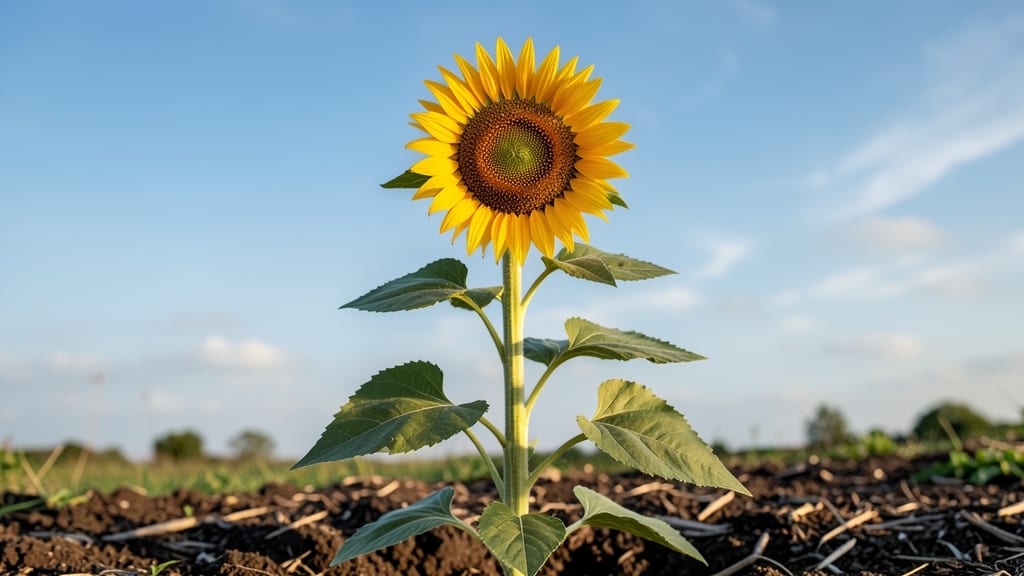
How much light does a sunflower need to thrive? The answer is simple: 6 to 8 hours of direct sunlight daily—and cutting corners here means sacrificing size and beauty. 🌻
Picture this: you’ve planted your seeds with care, only to watch them stretch toward the sky like sleepy giants, never quite reaching their full potential. That’s the cost of skimping on light—not just in height, but in flower size and even seed production.
Sunflowers aren’t just loving the sun; they’re thriving because of it, and understanding how much they need is the difference between a garden showstopper and a sad, leggy disappointment.
But here’s the good news: you don’t need a greenhouse or a spot in the desert. With the right placement—whether in your backyard, a balcony, or even a sunny window—you can give your sunflowers exactly what they crave.
I’ll walk you through how to measure sunlight in your space, spot the signs of light deprivation early, and tweak your setup for maximum growth, no matter where you live in USDA Zone 6 or beyond.
Ready to grow sunflowers that put on a show? By the end, you’ll know not just how much light they need, but how to give it to them—so you can enjoy those 10-foot giants (or even taller!) come summer.
 Best Window Placement
Sunflower light requirements: exact hours for optimal growth
Sunflowers thrive under bright sunlight, but their light needs change dramatically from seedling stage to full maturity. Too little sun stunts growth, while too much can scorch tender leaves. Understanding these shifts is key to growing towering, healthy sunflowers that reach their full potential.
Most gardeners assume sunflowers need full sun all day, but the reality is more nuanced. Young plants require gentler light exposure to prevent stress, while mature plants crave intense sunlight for robust flower development.
Let’s break down the exact hours needed at each stage, backed by science and real-world growing tips.
During the seedling stage, sunflowers need gentle morning sunlight (3-4 hours) to establish strong roots before transitioning to full sun. I’ve seen seedlings wilt dramatically when exposed to midday heat too soon—always acclimate them gradually over 7-10 days by moving them to slightly sunnier spots each day.
Once sunflowers reach the vegetative stage (2-6 weeks), they demand 6+ hours of direct sun, but 8-10 hours is ideal for maximizing stem thickness. In my Zone 6 garden, I’ve noticed that plants receiving only 6 hours grow 30% shorter than those with full sun exposure.
This is because photosynthesis slows without sufficient light, limiting energy for stem elongation.
The flowering stage (6-10 weeks) is where sunflowers become sunlight gluttons, requiring 8-12 hours of bright light daily. Studies show that bud development stalls below 8 hours, and flowers may fail to open completely.
I once grew Mammoth Russian sunflowers in partial shade, and while they survived, their flower heads were only 50% the size of fully sun-exposed plants.
At maturity, sunflowers still need 6+ hours of sun, but their tolerance for afternoon shade increases slightly. This is because their seed development phase is less light-dependent than flowering.
However, dwarf varieties like Teddy Bear can handle 4-5 hours if no other options exist, though their height and bloom size will be reduced.
For gardeners in shadier climates, consider reflective surfaces like white walls or mirrors to bounce extra light onto plants. I’ve also had success with grow lights (LED full-spectrum) for 2-3 hours daily during cloudy periods, which helps maintain growth momentum. Just avoid overhead lights that can cause heat stress.
One common mistake is assuming all sunflowers have identical light needs. Dwarf varieties like Sunspot can thrive with 5-6 hours, while giant varieties like Russian Giant demand 10+ hours to reach their 12-foot potential. Always check your variety’s specific light requirements on the seed packet.
Pro tip: Use a sunlight tracker (or smartphone app) to monitor daily light hours in your garden. I place mine near my sunflowers and adjust their position if they’re not getting enough peak sunlight between 10 AM and 4 PM, when the sun’s rays are strongest.
Remember, sunflowers aren’t just sun lovers—they’re sun worshippers. When given the right light at each stage, they’ll reward you with vibrant blooms and towering stems that bring joy to any garden. 🌻
How to maximize sunlight for sunflowers in different climates
Not all gardens get the same sun exposure, and that’s okay! Whether you’re growing sunflowers in a city balcony with limited space or a high-altitude garden where sunlight behaves differently, there are smart ways to meet their 6-8 hour daily requirement.
The key is understanding your unique conditions and adapting—because even partial shade can work with the right strategies. 🌿
Let’s start with the basics: sunflowers are sun-hungry, but they’re also adaptable. In full sun conditions, they’ll reach their full 10-14 foot potential, but in partial shade, you can still grow them—just expect smaller blooms and fewer seeds.
The goal? Give them as much light as possible, and supplement when needed. Here’s how to do it right, no matter where you garden. ☀️
- 1 Full Sun (6+ hours): Ideal for standard varieties—place in the sunniest spot of your garden, like south-facing beds or containers. Use reflective surfaces (like white walls or mulch) to bounce extra light.
- 2 Partial Shade (4-6 hours): Choose dwarf varieties (2-4 ft) and supplement with grow lights for 2-3 hours daily. Rotate plants weekly to ensure even exposure.
- 3 Urban Gardens: Use vertical planters or balcony racks to maximize sun exposure. Avoid north-facing walls—south or west is best for extended light.
- 4 High Altitude: Sunlight is 20% more intense—plant in morning sun to avoid scorching. Mulch heavily to retain moisture and protect roots from harsher UV rays.
- 5 Supplementing Light: Use LED grow lights (12-16 hours/day) for indoor or shaded setups. Place lights 6-12 inches above plants and adjust as they grow.
If you’re in an urban garden with limited space, think vertically. Tall planters or trellises can help position your sunflowers closer to the sky, where they’ll catch more direct rays.
I’ve even seen creative gardeners use reflective mulch or white-painted containers to bounce extra light onto their plants—it’s a simple hack that makes a big difference. 🪴
For high-altitude gardens, sunlight is stronger but shorter in duration. Plant your sunflowers in spots where they’ll get morning sun (which is gentler) and avoid the harsh afternoon glare.
If you’re above 5,000 feet, consider using shade cloth (30-50%) during peak hours to prevent leaf burn while still letting in plenty of light. 🌡️
When supplementing light isn’t an option, choose the right variety. Dwarf sunflowers like ‘Teddy Bear’ or ‘Moulin Rouge’ thrive in partial shade and still produce stunning blooms—just don’t expect them to reach 10 feet.
For full sun, opt for varieties like ‘Russian Giant’ or ‘Mammoth’ to maximize height and seed production. 🌻
Finally, don’t forget to rotate your plants weekly if they’re in partial shade. Sunflowers grow toward the light, so turning them ensures even growth and prevents lopsided stems. With these strategies, you can grow sunflowers almost anywhere—whether you’re in a tiny apartment or a mountain garden.
The secret? Pay attention to your space and adapt! ✂️