
Light Requirements
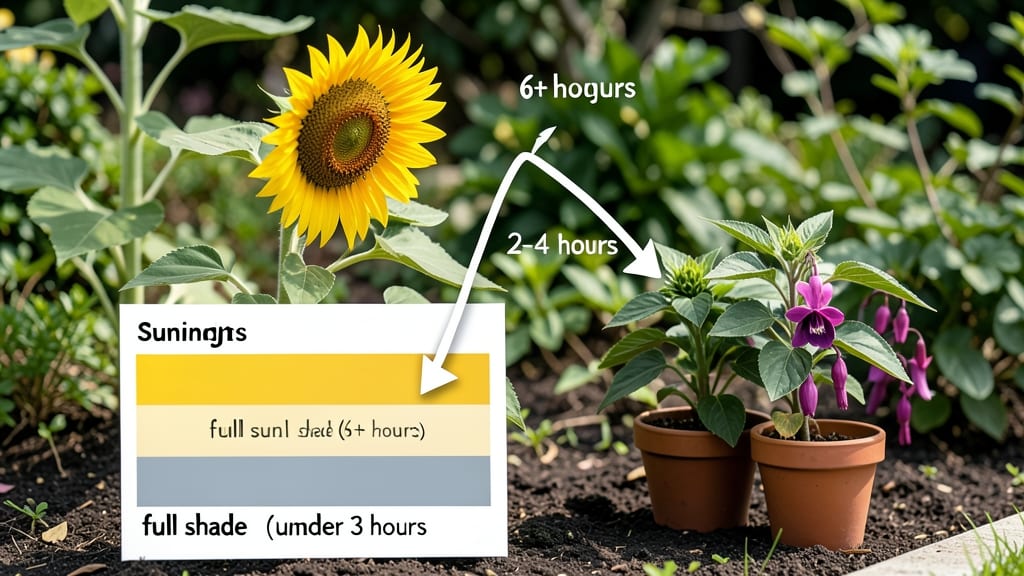
Flowers need sunlight to bloom their brightest, and getting the hours right is the difference between a thriving garden and one that just survives.
Picture this: your sunflowers are wilting by noon, or your roses refuse to open past a tight bud. That’s not a soil problem—it’s light. Too much scorches petals, too little leaves them struggling, and without the right balance, even the hardiest flowers give up.
Most flowers thrive with 6 to 8 hours of sunlight daily, but some—like ferns or hostas—happily settle for just a few hours in dappled shade. The key is matching your garden’s light patterns to the needs of each plant, whether that means rotating pots or pruning nearby trees.
Below, I break down the exact light requirements for popular flowers, how to spot when they’re getting it wrong, and simple fixes to keep your blooms happy all season long.
 Best Window Placement
Sunlight requirements for popular flowers by light category
Understanding how much sunlight do flowers need is the key to vibrant blooms and healthy growth. Most gardeners assume "full sun" means all flowers thrive in the same spot, but the truth is far more nuanced.
Some varieties wilt under direct sun, while others struggle in shade. Let’s break down the exact light hour ranges and visual cues to help you place each flower perfectly.
First, full sun lovers demand 6-8+ hours of direct sunlight daily, while partial sun plants tolerate 3-6 hours with afternoon shade. Shade-tolerant flowers thrive with less than 3 hours of filtered light.
Pay attention to leaf color changes—yellowing or browning edges often signal light stress, while pale leaves may mean too little sun.
Sunlight needs vary by season too. In summer, intense midday rays can scorch delicate petals, while winter’s weaker light may require moving shade plants closer to windows. Always observe your garden’s microclimates—a north-facing wall casts different shadows than a south-facing patio.
Visual indicators help identify light needs quickly. Sunflowers and marigolds lean toward the sun, while impatiens and coleus grow leggy in insufficient light. Even foliage color changes—deep purples in petunias or bronze hues in heucheras—can reveal their ideal light conditions.
| Light Category | Sunlight Hours | Popular Flowers | Visual Cues |
|---|---|---|---|
| Full Sun | 6-8+ hours | Sunflowers, Lavender, Roses, Zinnias, Coneflowers | Bright, upright growth; wilts or bleaches in shade |
| Partial Sun | 3-6 hours | Petunias, Begonias, Coleus, Impatiens, Snapdragons | Leggy stems in low light; crisp edges in too much sun |
| Shade-Tolerant | <3 hours | Hostas, Astilbes, Ferns, Bleeding Heart, Hellebores | Pale leaves in bright light; slow growth in deep shade |
| Morning Sun | 3-5 hours (AM only) | Caladiums, Tuberous Begonias, Some Ferns | Burns in afternoon sun; thrives with gentle morning rays |
For full sun flowers, prioritize south- or west-facing beds where sunlight is strongest. Lavender and roses will reward you with prolonged blooms if given their preferred 6-8 hours of direct light. Watch for sunburnt edges on leaves—this means they’re getting too much midday heat, especially in summer.
Partial sun plants like petunias and begonias need morning sun and afternoon shade. Place them near east-facing windows or under light dappled trees. If leaves turn yellow or crisp, they’re either overheating or drying out—adjust their position immediately.
Shade-loving flowers often get overlooked, but they’re perfect for woodland gardens or north-facing patios. Hostas and heucheras thrive with filtered light, while bleeding hearts may bolt to seed if exposed to too much sun. Look for dark green or purple foliage—these plants often change color in brighter conditions.
Pro tip: Use a light meter app to measure your garden’s sunlight exposure. Most smartphones have lux meters that reveal exactly how much light each spot receives. For container gardens, rotate pots weekly to ensure even growth—flowers often lean toward the light source.
Seasonal adjustments are crucial too. In summer, afternoon shade becomes critical for partial sun plants, while winter’s weaker light may require moving shade plants closer to windows. Always monitor leaf health—it’s your best indicator of whether your flowers are getting the perfect balance of sunlight.
How to adjust sunlight exposure for different flower types
Adjusting sunlight exposure is like giving your flowers a custom-made suit—too big or too small, and they won’t look their best.
I’ve learned the hard way that even the hardiest petunias can turn into crispy sunburnt messes if left in full afternoon sun, while impatiens stretch into leggy shadows when starved for light. The key is flexibility: your garden’s light shifts with seasons, and so do your plants’ needs.
Start by observing your garden’s sunlight patterns throughout the day. Use a simple trick: place a white plate where you plan to plant, then mark the shadows every hour.
Most gardens have hot spots (like south-facing beds) and shady corners (under trees or decks). This map becomes your blueprint for rearranging flowers—or rearranging your garden’s layout entirely.
For full-sun lovers like sunflowers or lavender, rotate containers every few weeks to ensure even exposure. If your roses are struggling, try moving them slightly east or west to avoid the harshest afternoon rays.
And for shade-tolerant varieties, like coleus or begonias, use reflective surfaces—like light-colored mulch or mirrors—to bounce extra light their way.
Sunlight Warning Signs
Too much sun? Watch for bleached petals, crispy leaf edges, or wilting by noon. Too little? Look for long, weak stems, fewer blooms, and pale leaves. These are your plants’ SOS signals—act fast before they fade for good.
Seasonal shifts demand extra attention. In summer, use shade cloths (30-50% coverage) to protect delicate geraniums or snapdragons from scorching. In winter, move tender tropical flowers, like hibiscus, closer to south-facing walls to capture every precious ray.
I once lost a prized bougainvillea because I ignored its winter needs—now I mark my calendar to adjust its spot in early November.
Pruning nearby trees or shrubs can open up hidden light pockets in your garden. Thin out overgrown branches in late winter to let more light reach hostas or astilbes below. Just avoid heavy pruning in spring, when buds are already forming.
And if you’re dealing with leggy impatiens, pinch back the tips to encourage bushier growth—this trick works wonders for plants craving more light.
Don’t forget about containers! Pots on patios or balconies can be moved easily, giving you instant control over light exposure. Place succulents in full sun, but shift fuchsias to partial shade when temperatures rise.
Pro tip: Use a light meter app (like GrowLight) to track exactly how much light your plants are getting—it’s a game-changer for container gardens.
When in doubt, start small. Test a few plants in different spots before committing to a full rearrangement. Your garden’s light ecosystem is unique, and what works for your neighbor’s roses might not work for yours.
With a little observation and tweaking, you’ll find the perfect balance—no more sad, sun-starved blooms in sight.