
Watering
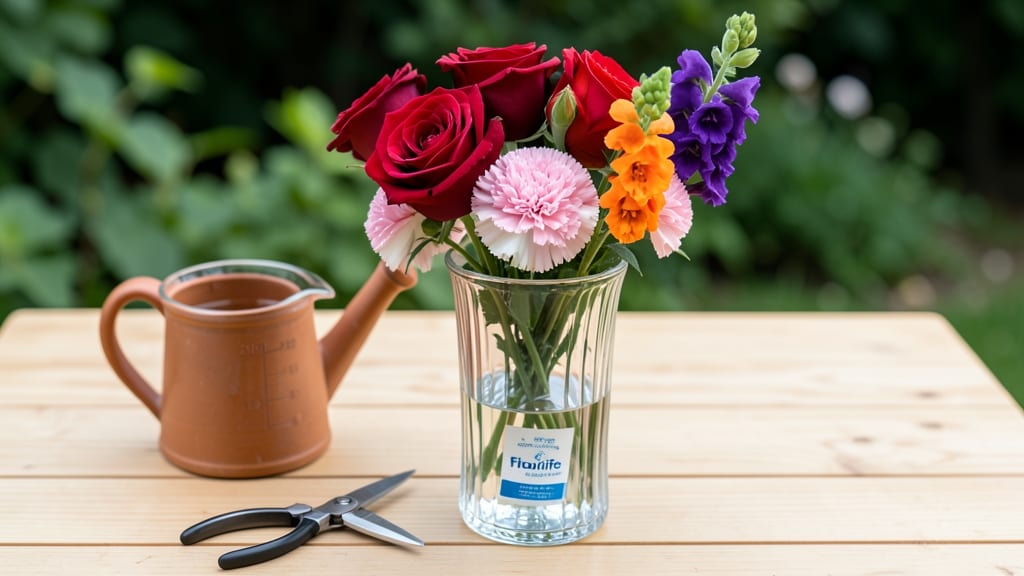
Nothing ruins a beautiful bouquet faster than wilting flowers, yet most people overlook the simplest solution: proper watering. A few extra minutes and a little science can turn a 2-day arrangement into a 2-week showstopper.
Flowers like roses and lilies drink more than you think—about 1-2 inches of water every 2-3 days, depending on the vase size and room temperature. Too much, and stems rot; too little, and petals droop.
Here’s how to strike the perfect balance: when to refill, how to trim stems for better absorption, and the secret trick florists use to cut watering time in half without sacrificing freshness.
Daily water requirements for cut flowers in a vase (by flower type)
Not all cut flowers have the same thirst—some drink deeply while others sip lightly. Understanding the water needs of your bouquet ensures vibrant blooms instead of droopy disappointment. Different flower types absorb moisture at varying rates, influenced by their natural habitat and stem structure.
For example, tropical flowers like orchids and anthuriums crave consistent hydration, while hardy varieties like carnations can handle slightly drier conditions.
The key to vase longevity lies in fresh, clean water and proper stem preparation. Always trim stems at a 45-degree angle before placing them in water—this increases surface area for absorption.
Additionally, seasonal adjustments matter: summer heat demands more frequent water changes, while winter’s dry air may require slightly less. Let’s break down the science-backed watering schedule for your favorite flowers.
Roses are the heaviest drinkers among common cut flowers, requiring water changes every 1-2 days to prevent wilting. Their thick stems need 2-3 inches of water to stay hydrated, especially during summer months when evaporation rates skyrocket.
If you notice the water turning cloudy or developing a foul odor within 24 hours, it’s time to refresh—bacteria growth is a silent killer of bouquets.
On the opposite end, orchids are surprisingly low-maintenance in a vase. Their natural epiphytic growth habit means they prefer shallow water (just 1 inch deep) and can go 4-5 days between changes.
However, they’re finicky about water quality: distilled or rainwater is ideal to avoid mineral deposits that clog their stems. If you’re using tap water, let it sit out overnight to reduce chlorine levels.
Tulips and daffodils are often overlooked but deserve attention—they’re sensitive to bacterial growth in stagnant water. Change their water every 3 days and trim stems by 1 inch each time to expose fresh cells for absorption.
A pro tip: Add a pinch of bleach (1 drop per quart of water) to inhibit bacteria without harming the flowers. This simple trick can extend their life by 2-3 extra days.
For tropical blooms like anthuriums or bird of paradise, think of them as thirsty travelers from humid climates. They thrive with 2 inches of water every 2 days and appreciate a light misting of their leaves if your home’s air feels dry.
Place their vase in a shallow tray of water to increase humidity around the stems—this mimics their natural environment and keeps petals crisp.
Seasonal shifts can dramatically alter your watering routine. In winter, when indoor air is dry from heating systems, most flowers need water 1-2 days less frequently. Conversely, summer’s heat demands daily checks for roses and lilies.
Proactively adjust by placing vases in cool, shaded spots away from radiators or sunny windowsills. A vase filled with ice cubes can buy you an extra day of freshness on scorching days.
Water quality often gets ignored, but it’s a game-changer. Tap water with high mineral content can leave white deposits on petals and clog stems. If you’re unsure about your water, use a DIY preservative mix: combine 1 teaspoon of sugar,
5 Signs your flowers are thirsty (and how to fix it fast)
Even the most stunning bouquet can turn sad and droopy in just 24 hours if your flowers aren't getting enough water. The key is spotting dehydration early—before it's too late. I’ve seen roses and tulips revive dramatically after a quick fix, and you can too with these telltale signs.
Most people assume wilting means overwatering, but 90% of the time, it’s the opposite. Flowers drink water through their stems like straws, and when the supply runs low, they send out SOS signals.
Ignoring them means throwing away money on flowers that could last days longer with just a little attention.
Here’s how to read your flowers’ thirst cues—and the 30-second fixes to bring them back to life. No green thumb required!
- 🌸 1. Drooping Petals → Trim stems at a 45-degree angle and place in cool water immediately.
- 🌿 2. Brown Edges → Remove damaged petals and add 1 tsp sugar to water to revive.
- 💧 3. Cloudy Water → Dump old water, rinse vase with vinegar solution, and refill.
- ✂️ 4. Stems Curling → Re-cut stems underwater to open blocked vessels for better absorption.
- 🌡️ 5. Slow Water Uptake → Add 1/4 tsp bleach to water to kill bacteria slowing hydration.
Let’s break down the top 5 signs your flowers are begging for water—and how to save them before it’s too late. Start with the most obvious: drooping petals. This is your first warning that stems aren’t absorbing enough water.
If you notice brown or crispy edges on petals, that’s a sign of severe dehydration. The damage is often irreversible, but removing those petals can make the rest of the bouquet last longer.
Pro tip: Tropical flowers like orchids and anthuriums show thirst faster than others—watch for drooping leaves, not just petals.
Never ignore cloudy or foul-smelling water in your vase. Bacteria grow rapidly in stagnant water, clogging stems and starving your flowers. This is a silent killer—flowers may look fine above water but are dying from the inside out.
A quick rinse with vinegar water (1:4 ratio) clears the vase in seconds.
For stubborn stems that curve or kink, the issue is often air bubbles blocking water uptake. Re-cutting stems underwater forces fresh water into the vessels, often reviving flowers within hours. This trick works best for delicate stems like peony or carnation bouquets.
Finally, if your flowers drink water slowly (visible by slow water level drop), add a natural preservative like 1/4 tsp bleach or 1 tsp sugar to the water. This isn’t about chemicals—it’s about giving your flowers the extra nutrients they can’t get from tap water alone.