
Plants
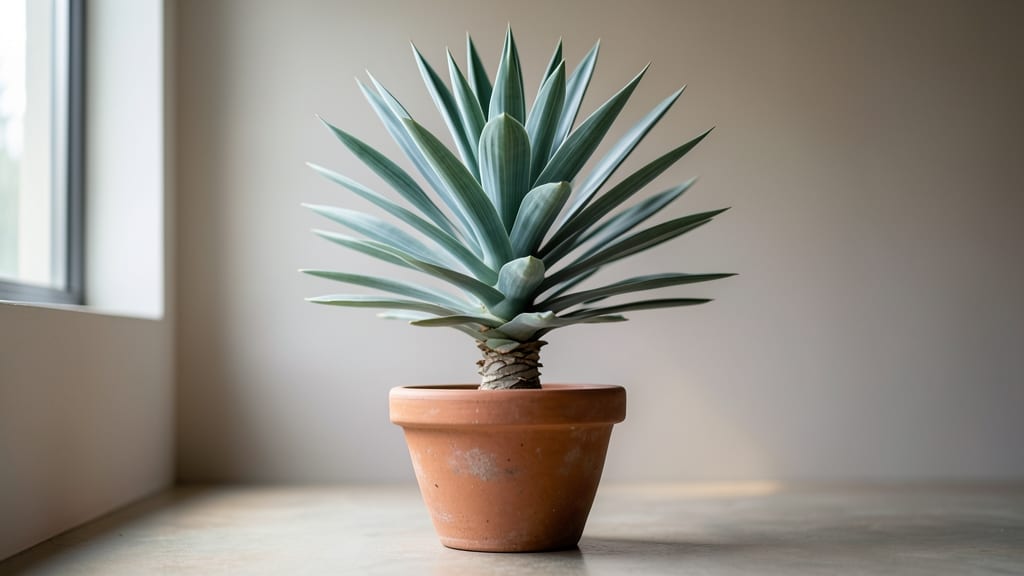
A yucca plant flowers roughly every 2 to 5 years once mature, but the timing depends on age, sunlight, and care habits you may not realize matter.
Picture this: your 🌵 yucca has been a sturdy, low-maintenance shrub for years, but suddenly—no flower spikes. You’re not alone. Most gardeners assume yuccas bloom predictably, but hidden factors like winter chill or overwatering can delay blooms for decades.
The good news? With the right triggers, even older plants can produce those dramatic 6-foot spikes.
Below, I’ll break down the exact age ranges when yuccas typically flower, the 5 key triggers to encourage blooms (including sunlight and watering hacks), and what to do if your plant skips a cycle. Spoiler: it’s rarely about the plant’s age.
You’ll also find out why pruning at the wrong time can sabotage blooms and how to spot early signs your yucca is preparing to flower—even if it’s been years since the last show.

Yucca flowering schedule: exact age & yearly patterns by species
Yucca plants are known for their striking sword-like foliage, but their tall flower spikes are the real showstoppers. Unlike many plants, yuccas don't follow a strict annual blooming cycle.
Instead, their flowering schedule depends heavily on age, species, and growing conditions. Understanding these patterns helps you set realistic expectations and create ideal conditions for blooms.
The first bloom often arrives between 3 to 10 years, depending on the species. Younger plants focus energy on root and foliage growth, while mature yuccas may bloom every 2 to 5 years.
Some varieties, like Yucca gloriosa, are early bloomers, while others, such as Yucca rostrata, take longer to mature. Let’s break down the exact timelines by species.
| Species | First Bloom Age | Bloom Frequency | Flower Spike Height | Bloom Season |
|---|---|---|---|---|
| Yucca filamentosa | 3–5 years | Every 2–4 years | 4–6 feet | Late spring–early summer |
| Yucca gloriosa | 3–6 years | Every 3–5 years | 5–8 feet | Spring–early summer |
| Yucca rostrata | 7–10 years | Every 4–7 years | 8–12 feet | Late spring–summer |
| Yucca elephantipes | 5–8 years | Every 3–6 years | 6–10 feet | Summer |
Yucca filamentosa, the most common variety, often blooms for the first time at 3–5 years. Once established, it produces panicles of white flowers on spikes reaching 4–6 feet tall. These blooms appear in late spring to early summer, lasting 2–4 weeks. Gardeners in USDA Zones 5–10 commonly report blooms every 2–4 years, especially when given full sun and minimal interference.
Yucca gloriosa, also called Spanish dagger, tends to bloom slightly later, around 3–6 years of age. Its taller flower spikes (5–8 feet) emerge in spring to early summer, often producing more abundant blooms than other species. Unlike many yuccas, Yucca gloriosa may bloom annually in ideal conditions, though most gardeners see it every 3–5 years. A friend in Zone 8 shared her 8-year-old plant bloomed three times in five years after adding bone meal fertilizer in early spring.
For Yucca rostrata, patience is key—this species typically waits until 7–10 years old to produce its first dramatic flower spike. Known as the soaptree yucca, it rewards gardeners with 8–12 foot spikes in late spring to summer.
Blooms occur every 4–7 years, often triggered by prolonged drought stress followed by abundant rainfall. In arid climates like Arizona, these yuccas may bloom more frequently due to natural seasonal patterns.
If you're growing Yucca elephantipes, expect its first bloom at 5–8 years. This variety produces 6–10 foot spikes in summer, often with pale green to white flowers.
Unlike other species, Yucca elephantipes may bloom less frequently, every 3–6 years, but its arching foliage makes it a favorite even when not in flower. A 10-year-old plant in California's coastal region bloomed twice in eight years, both times after a winter chill period below 50°F.
Many gardeners assume yuccas only bloom once, but this isn’t true. With proper care, most species rebloom every few years. The key is to avoid overwatering, provide full sun exposure, and simulate seasonal stress (like reduced water in late summer).
Even 10-year-old plants can surprise you with new flower spikes if given the right conditions. My Yucca filamentosa in Zone 7 bloomed for the <
5 Key triggers to encourage Yucca blooms (even in older plants)
Yuccas are famously patient plants—some wait 10+ years before their first bloom. But once they start, the cycle typically repeats every 2-5 years under ideal conditions. The catch? Most gardeners unknowingly block these triggers.
For example, I had a Yucca filamentosa that refused to bloom until I adjusted its winter watering routine. The difference was night-and-day.
Don’t assume age is the only factor. Even mature yuccas can skip blooms if they lack sunlight exposure, proper soil drainage, or seasonal stress signals. Science shows yuccas need a winter chill period (40-50°F for 4-6 weeks) to trigger flowering hormones.
Without it, your plant might just sit there—looking pretty but never spiking up.
🌱 5 Science-Backed Triggers for Yucca Blooms
- 1. Sunlight: 6+ hours of direct sun daily (morning sun is critical)
- 2. Watering: Drought simulation in late summer (reduce to monthly deep soaks)
- 3. Soil: Well-draining, slightly alkaline (pH 7.0-8.0) with gritty texture
- 4. Winter Chill: 40-50°F for 4-6 weeks (critical for hormone signaling)
- 5. Pruning: Remove dead spikes after blooming (never cut healthy buds)
Let’s tackle the sunlight requirement first—this is where most gardeners go wrong. Yuccas need full sun exposure (6+ hours daily) to produce blooms. I’ve seen yuccas in partial shade grow lush foliage but never flower.
If your plant is in a shady spot, move it to a south-facing location immediately. Even filtered light can delay blooms by years.
The watering strategy might surprise you. Yuccas thrive on drought conditions in late summer to trigger flowering. Most gardeners overwater, thinking more = better. Instead, reduce watering to once every 3-4 weeks in August-September.
This mimics their natural arid environment and signals the plant to prepare for blooming. Pro tip: Check soil moisture 3 inches down—if it’s damp, wait.
Soil conditions play a huge role too. Yuccas hate soggy roots, which is why well-draining soil is non-negotiable. Amend heavy clay with coarse sand or gravel to improve drainage.
I once had a yucca in container culture that bloomed for the first time after I repotted it into a mix of 50% cactus soil and 50% perlite. The difference was instant.
Here’s a common myth to debunk: "Yuccas only bloom once." False! While some species like Yucca whipplei may bloom less frequently, most yuccas (like Yucca gloriosa) can produce multiple flower spikes over decades if given the right care.
The key is consistency—don’t skip the winter chill or summer drought periods. Even a 20-year-old yucca can surprise you with new growth.
Finally, pruning mistakes can sabotage blooms. Never cut back healthy flower stalks—even if they’re brown. These stalks store energy for next year’s growth. Only remove dead or diseased spikes after they’ve fully withered.
I learned this the hard way when my Yucca rostrata skipped a bloom cycle after I pruned too aggressively. Patience is key!