
Flowers
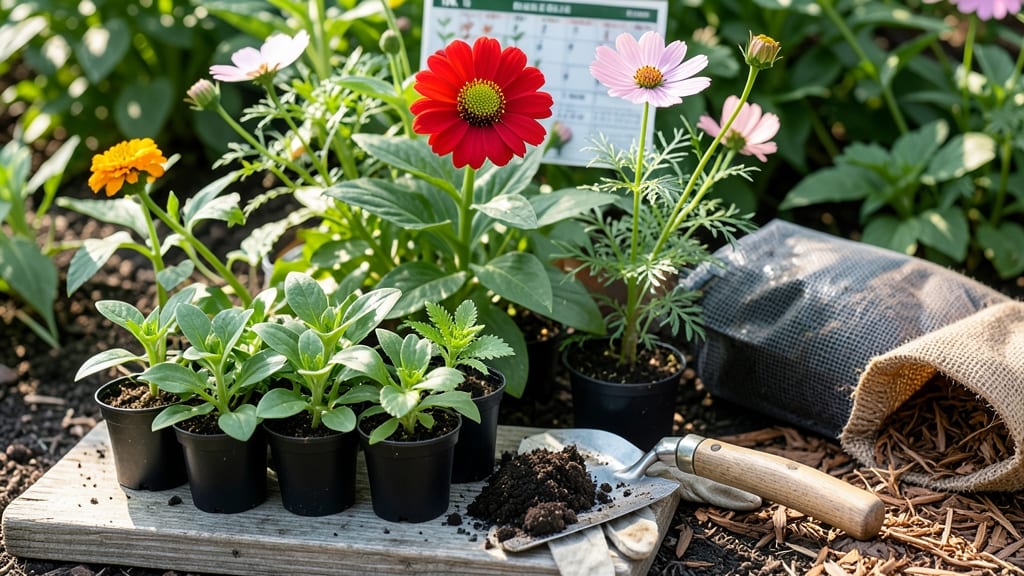
Planting flowers in New Jersey at the right time means the difference between a showstopping garden and a sad investment 🌸—aim for late April to early May for most varieties, once the soil warms and frost risk fades.
Timing is everything in gardening—plant your flowers too early in New Jersey’s unpredictable spring, and frost could wipe them out; too late, and you’ll miss peak blooms. Follow this USDA Zone 6b-7a planting calendar to maximize your garden’s beauty and resilience.
New Jersey’s climate throws curveballs, from late frosts in April to sudden heatwaves in May. Annuals like petunias and marigolds thrive when soil hits 60°F, while perennials like daylilies and coneflowers can handle cooler temps if mulched properly.
Below, I’ll break down the exact planting windows for spring and fall, which flowers to prioritize in your zone, and how to protect young plants from NJ’s unpredictable weather. Ready to turn your yard into a blooming paradise?
New Jersey flower planting timeline by season (Zone 6b-7a)
New Jersey’s USDA Zones 6b-7a bring unpredictable frost dates and variable growing seasons, making timing critical for flower success. The average last frost date falls around April 15, while the first frost typically arrives by October 15.
To thrive, most flowers need 6-8 weeks of warm soil before summer heat sets in, while cool-season bloomers must go in early spring or late summer.
Your planting strategy should align with New Jersey’s climate quirks, like late spring frosts in the northern part of the state and humid summers that demand moisture-loving varieties.
Whether you’re planting hardy perennials, tender annuals, or spring bulbs, this timeline ensures your garden blooms on schedule—without wasting time or resources on failed plantings.
| Season | Plant Type | Planting Window | Key Notes |
|---|---|---|---|
| Early Spring | Spring Bulbs | Late September - October | Plant tulips, daffodils 6-8 weeks before ground freezes. |
| Late Spring | Perennials | April - May (after frost) | Choose daylilies, coneflowers for Zone 6b-7a hardiness. |
| Summer | Annuals | May - June (soil at 60°F+) | Petunias, marigolds thrive in hot NJ summers. |
| Fall | Cool-Season Annuals | August - September | Pansies, snapdragons love fall’s cooler temps. |
| Late Fall | Spring Bulbs | October - November | Alliums, crocuses naturalize well in NJ soil. |
Start with spring bulbs in late September—this gives them time to establish roots before winter. Tulips and daffodils are my go-to choices for Zone 6b-7a, as they handle New Jersey’s freeze-thaw cycles better than many varieties.
Plant them 6 inches deep and 6 inches apart for optimal blooms next spring.
Once the last frost date passes (usually mid-April), it’s time for perennials. Daylilies and coneflowers are my top picks—they’re drought-tolerant and low-maintenance, perfect for NJ’s humid summers. Amend your soil with compost to improve drainage, especially in clay-heavy areas common in northern NJ.
For annuals, wait until the soil warms to 60°F (typically late May in Zone 7a and early June in Zone 6b). Petunias and marigolds are my summer staples—they bloom nonstop in full sun and handle NJ’s heat waves with ease.
Use mulch to retain moisture and suppress weeds, which is a game-changer in hot, dry spells.
Don’t overlook fall planting! Cool-season annuals like pansies and snapdragons thrive when planted in August or September. These flowers love cooler temps and will bloom well into late fall, often lasting until the first frost.
They’re also frost-resistant, making them ideal for extending your garden’s season.
If you’re planting tender perennials like salvia or lavender, wait until late May or early June to avoid late spring frosts. These plants need well-draining soil and full sun to thrive.
I always add a layer of gravel beneath them to prevent root rot—a common issue in NJ’s heavy clay soils.
Pro tip: Use row covers for early spring plantings to protect against unexpected frosts. I’ve saved many tender annuals this way, especially in Zone 6b, where frosts can linger into <
Best flowers to plant in New Jersey by season (cool vs. warm seasons)
New Jersey’s USDA Zones 6b-7a offer a perfect balance for both cool-season and warm-season flowers. The key is matching your blooms to the right planting window—whether it’s late spring for heat-lovers or early fall for frost-tolerant varieties.
I’ve curated a list of top performers that thrive in NJ’s climate, ensuring your garden stays vibrant from spring through fall.
For cool-season flowers, focus on varieties that handle 40-60°F soil temps and can even survive light frosts. These include pansies, snapdragons, and sweet alyssum, which bloom beautifully in early spring or fall.
On the other hand, warm-season favorites like petunias, marigolds, and zinnias need soil temps above 60°F and won’t tolerate frost, making them ideal for late May through September.
Here’s my seasonal breakdown of the best flowers to plant in NJ, along with their ideal timing and care tips to keep them thriving.
🌸 Spring Planting (March–May)
- 1. Cool-Season Annuals: Plant pansies, violas, and snapdragons in March–April for early blooms. These handle light frosts and thrive in partial shade.
- 2. Perennials: Divide and transplant daylilies, coneflowers, and black-eyed Susans in early spring (March–April) for robust growth.
- 3. Bulbs: Plant tulips and daffodils in October–November for spring blooms, but avoid planting in spring—they need winter chilling.
- 4. Warm-Season Starters: Begin petunia and marigold seeds indoors in late March to transplant outdoors after last frost (mid-May).
☀️ Summer Planting (May–July)
- 1. Heat-Loving Annuals: Plant zinnias, sunflowers, and cosmos after May 15 once soil is warm and frost-free.
- 2. Succession Planting: Sow basil and nasturtium seeds every 2–3 weeks in summer for continuous blooms.
- 3. Perennial Care: Feed perennials like lavender and salvia with high-phosphorus fertilizer in June to boost summer blooms.
- 4. Fall Prep: Start cool-season annuals (e.g., asters, chrysanthemums) indoors in July for fall planting.
🍂 Fall Planting (August–October)
- 1. Frost-Tolerant Annuals: Plant pansies, sweet alyssum, and calendula in August–September for fall and early winter color.
- 2. Perennials: Add Russian sage and sedum in late August–early September for late-season interest.
- 3. Bulbs for Spring: Plant crocuses and hyacinths in October to naturalize and return year after year.
- 4. Mulch Now: Apply 3 inches of mulch around perennials in October to protect roots from winter freeze-thaw cycles.
New Jersey’s unpredictable frost dates can throw off even the best-laid plans, so always check the NJ State Climate Office for local updates. For example, coastal areas (Zone 7a) often warm up earlier than inland Zone 6b regions, so adjust timing accordingly.
If a late frost is forecasted, use row covers to shield tender plants like petunias and geraniums.
Pro tip: Deadhead spent blooms throughout the season to encourage continuous flowering. This works especially well for annuals like zinnias and perennials like coneflowers, keeping your garden looking fresh until the first frost.
With these seasonal guidelines, your NJ garden will be a blooming paradise from spring to fall! 🌿