
How To
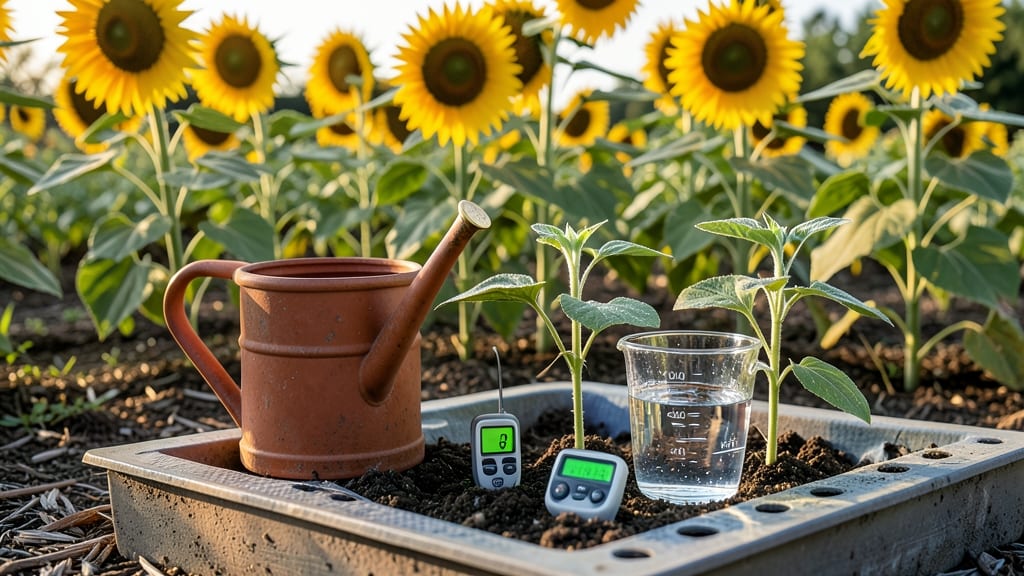
To water sunflower seeds correctly, keep the soil consistently moist but never soggy during the first 14 days of germination.
Sunflower seeds need the perfect balance of moisture to sprout strong and healthy—but overwatering or neglecting them can kill your plants before they even bloom. Mastering the ideal watering schedule is the first step to growing towering 🌻 sunflowers from seed.
Most gardeners make the mistake of either drowning seeds with too much water or letting them dry out, both of which stunt growth or prevent germination altogether. The key is a light misting every 1-2 days until sprouts appear, then gradually increasing depth as roots develop.
In this guide, I’ll break down the exact watering timeline for each stage, how to adjust for containers vs. open ground, and the warning signs of over- or underwatering so you never lose a seedling again.
Sunflower seed germination timeline: watering schedule by day
Getting the watering schedule right in the first two weeks is critical for sunflower seed germination. Too much moisture causes rot, while too little starves your seeds before they sprout.
The key is maintaining consistent soil moisture without creating soggy conditions. Sunflower seeds need a moist but not waterlogged environment to break dormancy and grow strong roots.
Plant your seeds 1 inch deep in well-draining soil that warms to at least 50°F—this ensures they won’t rot from excess moisture. Once planted, focus on keeping the soil evenly damp until sprouts appear.
Overwatering at this stage is the #1 killer of sunflower seeds, so use a spray bottle or gentle watering can to avoid displacing seeds.
| Day | Watering Frequency | Soil Moisture Goal | Signs of Proper Hydration |
|---|---|---|---|
| Days 1-3 | Every 1-2 days (light misting) | Consistently moist (not soggy) | Soil feels damp 1 inch deep |
| Days 4-7 | Every 2-3 days (gentle watering) | Even moisture, no puddles | Topsoil stays slightly damp |
| Days 8-10 | Every 3-4 days (deep but light) | Moisture at seed depth | Sprouts appear (green hooks) |
| Days 11-14 | Every 4-5 days (reduce frequency) | Top 2 inches dry between waterings | Seedlings develop first true leaves |
During days 1-3, your seeds are in the pre-sprout phase, where they absorb moisture to activate enzymes. Use a spray bottle to keep the soil evenly damp—never let it dry out completely.
Check moisture by sticking your finger 1 inch deep; it should feel like a wrung-out sponge. If the soil feels dry at this depth, water immediately.
By days 4-7, you’ll see the first signs of germination as radicles (tiny root hairs) emerge. This is when most gardeners make the mistake of overwatering out of excitement.
Instead, switch to a gentle watering can and water every 2-3 days. Look for tiny green hooks breaking the soil surface—this confirms proper hydration.
Once sprouts appear (days 8-10), reduce watering to every 3-4 days to prevent fungal diseases like damping-off. Sunflower seedlings are surprisingly drought-tolerant once they’ve sprouted, so err on the side of underwatering if you’re unsure.
The first true leaves will appear around day 10, signaling it’s time to thin seedlings if crowded.
After day 14, your seedlings will enter the early seedling stage, where they need 1-2 inches of water per week.
At this point, you can increase the gap between waterings to 4-5 days, but always check the top 2 inches of soil—if it’s dry, water deeply. Avoid wetting the foliage to prevent mildew, and always water in the morning to allow excess moisture to evaporate.
One critical mistake I see often is planting seeds too deep. Sunflowers need to be sown just 1 inch below soil—any deeper, and they’ll struggle to reach the surface. If you’re using containers, ensure they have drainage holes to prevent root rot.
Signs of overwatering include yellowing leaves, mushy stems, or seeds that fail to sprout despite moist soil.
If your soil feels clay-heavy, mix in sand or perlite to improve drainage. For sandy soil, add compost to retain moisture. Always water at the base of plants rather than overhead to keep foliage dry.
By following this schedule, your sunflower seeds will germinate in 7-14 days and grow into strong, healthy seedlings ready for transplanting.
Remember, sunflowers are sun-loving plants, but their roots need consistent moisture during germination. Once established, they become more drought-resistant, but those first two weeks are all about precision watering. With the right balance, you’ll be rewarded with vibrant blooms reaching toward the sky! 🌻
Common watering mistakes that kill sunflower seeds (and how to fix them)
Even with the right watering schedule, sunflower seeds often fail due to subtle mistakes like overwatering or soil compaction. I’ve seen seedlings drown in soggy soil one week and wilt from thirst the next—both are equally deadly.
The biggest culprit? Inconsistent moisture, which disrupts root development before it even begins.
Sunflower seeds need consistent moisture but hate soggy conditions. Their roots are delicate during germination, and too much water can suffocate them, while too little prevents the seed from absorbing what it needs to sprout. The fix? Light, frequent misting until sprouts appear, then deeper watering as roots grow.
Water sunflower seeds every 1-2 days with a light mist (about ¼ inch of water) until sprouts appear. Once sprouted, water deeply every 3-5 days—never let soil dry out completely or stay waterlogged. Overwatering causes fungus and rot, while underwatering stunts growth.
💧 Pro Tip: Use a spray bottle for seeds and a watering can with a fine rose attachment for seedlings.
One of the most overlooked issues is soil compaction, which happens when watering too heavily or walking on wet soil. Compacted soil blocks oxygen, suffocating roots and preventing seeds from absorbing water properly. To fix this, loosen soil gently with a fork before planting and avoid heavy water pressure.
Temperature also plays a sneaky role in watering failures. In hot climates, soil dries faster, requiring more frequent watering, while cold, damp conditions slow germination and increase rot risk. Adjust your schedule by checking soil moisture with your finger—it should feel damp but not soggy.
If your seeds aren’t sprouting, check for these red flags: blackened seeds (overwatered), dry soil cracks (underwatered), or moldy soil (too much moisture). For stressed seeds, reduce watering, improve drainage, and consider replanting if germination fails after 2 weeks.
Recovery starts with well-draining soil and a consistent routine. If seedlings appear weak, water deeply once a week and add a light layer of mulch to retain moisture without suffocating roots. With the right adjustments, even struggling seeds can bounce back.