
Plants
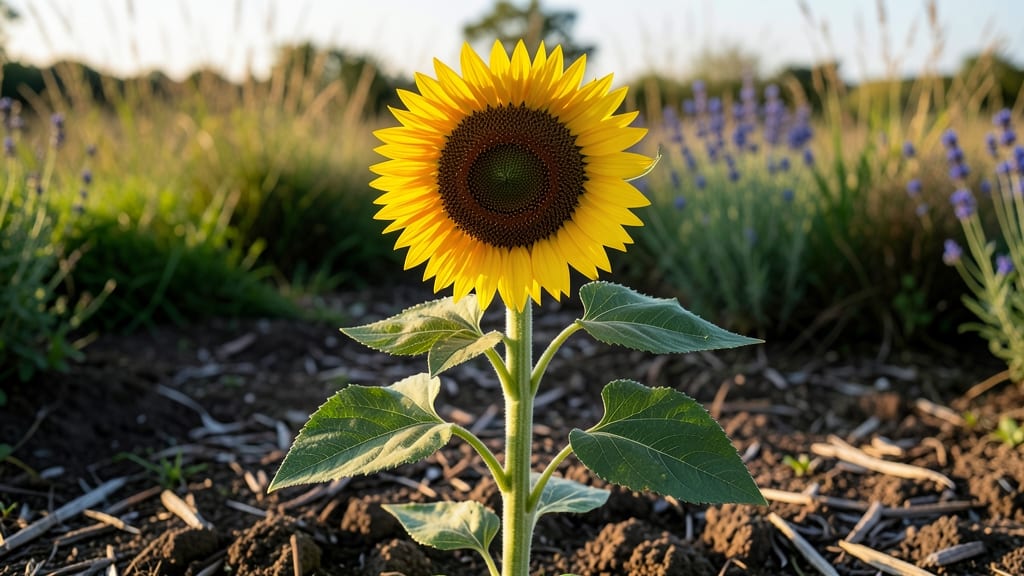
How tall do sunflower plants grow? They can range anywhere from 3 feet to a towering 16 feet, depending on the variety you choose—some are barely waist-high, while others dwarf a two-story house! 🌻
Picture this: you plant a seed in spring, water it regularly, and by midsummer, you’re staring up at a sunflower taller than you. That’s the magic—and the challenge—of these giants.
Whether you’re dreaming of a dramatic border or a space-saving patio display, knowing your sunflower’s height potential is the first step to success.
Dwarf varieties stay compact, perfect for small gardens or containers, while standard types reach 6 to 12 feet, ideal for cutting flowers or bird-friendly seed heads. Then there are the giants—12 feet or more—that turn your backyard into a vertical spectacle.
But height isn’t just about looks; it affects spacing, sunlight needs, and even how you support your plants in windy conditions.
In this guide, I’ll break down the height ranges of popular sunflower varieties, share tips for managing their growth, and help you pick the perfect type for your garden—whether you want a low-maintenance dwarf or a showstopping giant.


Sunflower height by variety: from dwarf to giant species in feet
Sunflowers are nature’s skyscrapers, with some varieties stretching taller than a two-story house! The height of sunflower plants varies dramatically by cultivar, from compact patio-friendly types to towering giants that need serious support. Understanding these differences helps you choose the perfect variety for your garden space and design goals.
Whether you're a city dweller with a balcony or a rural gardener with acres, selecting the right sunflower height ensures your plants thrive without crowding neighbors or toppling in storms. Let’s explore the spectrum from tiny sunflowers to record-breaking giants and how to grow them successfully.
🌻 Pro Tip: Always check seed packets for mature height estimates—some "dwarf" varieties can still surprise you with unexpected growth spurts!
| Variety Type | Height Range (ft) | Best For | Spacing Needs |
|---|---|---|---|
| Dwarf Varieties | 3-5 ft | Containers, borders, small gardens | 12-18 inches apart |
| Semi-Dwarf | 5-7 ft | Cut flowers, mid-height displays | 18-24 inches apart |
| Standard Types | 6-12 ft | Backyard gardens, pollinator support | 24-36 inches apart |
| Giant Cultivars | 12-16+ ft | Dramatic focal points, windbreaks | 36+ inches apart (staking required) |
Let’s start with the shortest sunflowers, perfect for urban gardens or container growing. Varieties like 'Teddy Bear' and 'Moulin Rouge' typically max out at 3-5 feet, making them ideal for balconies or window boxes.
These dwarf sunflowers often bloom earlier than their taller cousins, giving you vibrant color in small spaces without the maintenance of giant varieties.
For medium-height sunflowers (5-7 feet), consider 'Autumn Beauty' or 'ProCut'. These semi-dwarf varieties strike a balance between manageable size and dramatic impact. They work beautifully in mixed borders or as cut flowers, with the added bonus of being more wind-resistant than towering types.
Most gardeners think of standard sunflowers when they picture these cheerful plants. Varieties like 'Mammoth' and 'Russian Giant' reach 6-12 feet, making them perfect for traditional gardens where you want to create height and draw attention.
These need proper spacing (2-3 feet apart) and may require staking if grown in windy areas.
The real showstoppers are the giant sunflower varieties like 'American Giant' or 'Mammoth Russian', which can surpass 14 feet under ideal conditions! These are true giants of the garden world, requiring ample space (3+ feet apart) and sturdy support structures.
They’re best suited for rural gardens or large properties where their dramatic height can be fully appreciated.
Remember, sunflower height isn’t just about aesthetics—it affects pollination success and wind resistance. Taller varieties often have deeper root systems, making them more drought-tolerant once established. However, they may need extra water during their rapid growth phase to support that extra height.
If you're growing sunflowers for seed production, taller varieties generally yield more seeds per head. For cut flowers, medium-height types are often preferred as they're easier to handle and transport. Always consider your garden’s layout and your personal goals when selecting varieties based on their mature height.
For container growing, stick to dwarf or semi-dwarf varieties in at least 5-gallon pots to prevent root binding. Larger containers (10+ gallons) can accommodate slightly taller types like 'ProCut' if given proper care. Always use well-draining soil and place containers where they’ll receive full sun (6+ hours daily).
🌱 Final Tip: No matter which height category you choose, always plant sunflowers in well-draining soil enriched with compost. This gives their deep roots the nutrients they need to reach their full potential height while staying strong and healthy.
How sunflower height affects your garden’s design and growth strategy
Sunflowers aren’t just pretty faces—they’re architectural powerhouses that can transform your garden’s layout. Their height dramatically impacts spacing requirements, sunlight access, and even wind resistance.
Tall varieties need strategic placement to avoid shading smaller plants, while dwarf types create perfect borders. Understanding these factors helps you design a cohesive space that thrives.
For example, a 12-foot giant sunflower needs at least 2 feet of space from neighbors to avoid competition, while 3-foot dwarf varieties can thrive in containers or tight rows. The right placement also maximizes pollination success—taller flowers attract bees from farther away, boosting seed production in your garden.
- 🌱 Dwarf varieties (3-5 ft) need 12-18 inches spacing—ideal for containers or small gardens.
- 🌿 Standard types (6-12 ft) require 2-3 feet spacing to prevent overcrowding and stem breakage.
- 🌳 Giant cultivars (12+ ft) need 3-4 feet spacing and sturdy supports to handle wind loads.
- ☀️ Place tall varieties on the north side of your garden to avoid shading shorter plants.
- 🌬️ In windy areas, use trellises or stakes to prevent toppling of mature plants.
Height also plays a crucial role in vertical gardening. Tall sunflowers create natural privacy screens or living fences in just one season. I’ve seen 10-foot varieties planted along property lines, instantly adding height and seasonal interest.
For small spaces, mix dwarf and standard types to create layered visual impact without overwhelming your layout.
Don’t overlook how height affects maintenance access. A 14-foot sunflower requires a ladder for pruning or harvesting, while 3-foot varieties stay easily reachable. Plan your design with future care in mind—place taller varieties where you’ll have easy access or install permanent supports upfront to avoid last-minute struggles.
For pollination success, taller sunflowers have a competitive edge. Bees prefer high perches, so placing giant varieties near your vegetable garden can improve yields for crops like cucumbers or squash.
Even in small gardens, a 6-foot sunflower will attract more pollinators than dwarf types, creating a more productive ecosystem.
Remember: sunflowers grow fastest in full sun and well-draining soil. If your garden has partial shade, opt for dwarf varieties that tolerate lower light. For container growing, choose compact types and ensure pots are at least 12 inches deep to support root growth.