
Size
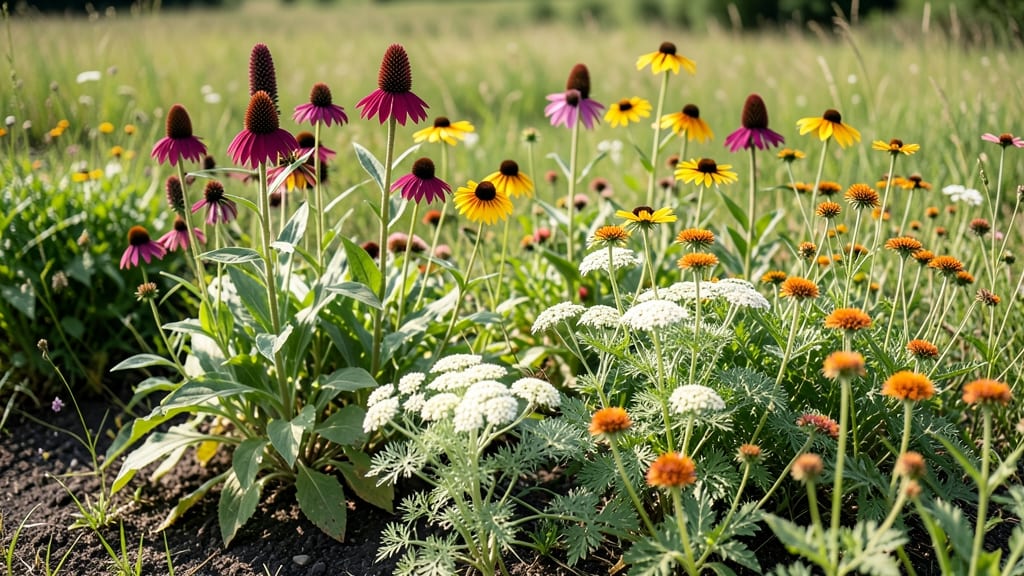
How tall do wildflowers grow? They can transform your garden from a sea of green to a vibrant, layered masterpiece 🌸 — some barely reaching your ankles while others tower over your head.
Ever stared at a wildflower seed packet and wondered how much vertical space you’re actually committing to? The answer isn’t one-size-fits-all.
A sunflower might stretch toward the sky at 6 feet, while a delicate lavender stays cozy at just 1 foot, and that matters for everything from privacy screens to border edges.
What you’ll discover here is how to match the right wildflowers to your space, sunlight, and soil — plus how to keep them from turning your dream meadow into a jungle. We’re talking tall giants for backdrops, dwarf varieties for borders, and everything in between.
Ready to plan your perfect-height wildflower garden? Let’s break down the species, the secrets to controlling their growth, and how to create a garden that feels both wild and intentional.


Wildflower height ranges by growth habit: tall giants vs. low-growing beauties
When planning your wildflower garden, understanding height ranges is key to creating visual balance and functionality. Some wildflowers stay compact, perfect for borders or containers, while others grow tall enough to create privacy screens or dramatic backdrops.
The mature height of each species determines its role in your landscape—whether it's framing a pathway, attracting pollinators at eye level, or providing a lush backdrop.
At Evergreen Seeds, we've seen firsthand how height diversity transforms a garden from ordinary to extraordinary. A well-planned mix of short wildflowers (under 12 inches) and tall varieties (over 72 inches) creates layers that mimic natural ecosystems while supporting pollinators at every level.
Let's explore how to categorize wildflowers by their growth habits and discover the best species for each height class.
Note: Heights listed are mature measurements, typically reached in the first growing season for annuals or after 1-2 years for perennials. Always check seed packets for specific varieties, as some may have dwarf cultivars or giant strains of popular species.
| Height Range | Popular Species | Ideal Planting Zones (USDA) | Design Applications |
|---|---|---|---|
| Under 12" |
|
3-10 (best for cooler climates) |
|
| 12-36" |
|
3-9 (widely adaptable) |
|
| 36-72" |
|
4-8 (warmer climates preferred) |
|
| Over 72" |
|
5-9 (full sun required) |
|
For low-growing wildflowers (under 12 inches), species like creeping phlox and alpine penstemon create stunning ground covers that suppress weeds while supporting early-season pollinators. These are ideal for rock gardens or container plantings where space is limited.
I've found they thrive in USDA zones 3-10, making them versatile for nearly any climate.
The 12-36 inch category offers the most design flexibility. Black-eyed Susans and coneflowers are perennial favorites that bloom from mid-summer through fall, providing continuous color. These medium-height wildflowers work beautifully in wildflower meadows or as pollinator magnets in mixed borders.
In my own garden, I've seen them attract hummingbirds, bees, and butterflies in abundance.
When working with tall wildflowers (36-72 inches), consider their structural potential. Species like Joe Pye weed and Russian sage add vertical interest while requiring minimal maintenance. These are perfect for privacy screens along property lines or
Best wildflowers for sunlight and soil conditions by height potential
Choosing wildflowers that thrive in your garden's sunlight and soil conditions while meeting your height goals can transform your outdoor space. Whether you're aiming for a sun-drenched meadow or a shady woodland edge, the right species will flourish—and reach their full height potential.
Let's explore how sun exposure and soil types influence wildflower growth, with native species tailored to different U.S. regions.
Wildflowers adapt to their environment, but their mature height often depends on sunlight availability and soil composition. For example, sun-loving giants like sunflowers can tower over shade-tolerant dwarfs such as wild columbine.
Meanwhile, clay-heavy soils may stunt growth in species like black-eyed Susans, while sandy soils can encourage taller, leggier stems in coneflowers. Let's match your garden's conditions to the perfect wildflower heights.
| Wildflower | Height Range | Sunlight Needs | Soil Type | U.S. Region |
|---|---|---|---|---|
| Black-eyed Susan | 2–3 ft | Full sun | Loamy, clay | Midwest, Northeast |
| Purple Coneflower | 2–4 ft | Full sun to partial shade | Sandy, loamy | Great Plains, Southeast |
| Wild Bergamot | 3–5 ft | Full sun | Loamy, clay | Northeast, Midwest |
| Sunflower (Dwarf) | 1–3 ft | Full sun | Sandy, loamy | Nationwide |
| Wild Columbine | 1–2 ft | Partial shade | Loamy, rocky | Mountain West, Northeast |
| Lavender | 1–3 ft | Full sun | Well-drained, sandy | Southwest, West Coast |
For full sun gardens, tall wildflowers like wild bergamot and sunflowers thrive in loamy or sandy soils, reaching heights of 3–5 feet. These species are perfect for creating privacy screens or backdrop plants in meadows.
In contrast, partial shade lovers like wild columbine stay shorter (1–2 feet) but add vibrant color to woodland gardens with rocky or loamy soils.
If your garden has clay-heavy soil, opt for adaptable species like black-eyed Susans, which tolerate poor drainage while still reaching 2–3 feet. For sandy soils, purple coneflowers and lavender flourish, their deep roots anchoring them in loose