
Orchid Care
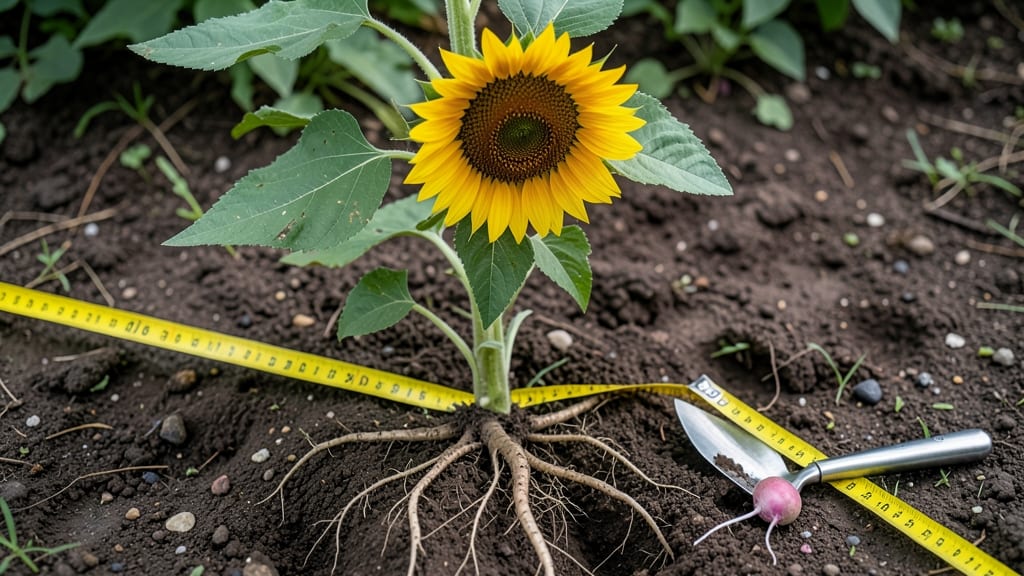
Do sunflowers have deep roots? The answer is a resounding yes—they grow roots that typically stretch 2 to 5 feet deep to anchor their towering stems and access water in dry soil.
Imagine a 12-foot plant with roots stretching deeper than your shovel can reach. That’s the hidden strength behind sunflowers’ resilience, especially in drought or windy conditions.
This root depth isn’t just about stability—it also means you’ll need to plant them 1 to 2 inches deep and space them farther apart than you might think. Too shallow, and their roots struggle to anchor; too crowded, and they’ll compete for nutrients.
Below, I’ll break down how root depth affects watering, soil prep, and even which sunflower varieties thrive best in your zone. You’ll learn the exact spacing and planting tricks to maximize growth without wasting effort.
How deep do sunflower roots grow and what affects their depth?
Sunflowers may reach towering heights of 10 to 14 feet, but their roots grow just as impressively beneath the surface. The primary taproot can extend 2 to 5 feet deep, while secondary fibrous roots spread horizontally to stabilize the plant.
This deep root system isn't just for show—it directly impacts how you plant, water, and care for your sunflowers.
Understanding sunflower root depth helps you avoid common mistakes like planting too shallow, which can stunt growth, or overwatering, which risks drowning those deep roots.
The soil type, water availability, and even the sunflower variety you choose all play critical roles in determining how far those roots will stretch. Let’s break down the science and practical implications for your garden.
| Root Feature | Details | Garden Impact |
|---|---|---|
| Primary Taproot | 2–5 feet deep | Anchors plant; accesses deep water/nutrients |
| Secondary Fibrous Roots | Spreads 1–2 feet wide | Stabilizes plant; absorbs surface moisture |
| Giant Varieties (e.g., 'Mammoth') | Roots reach 4–5 feet | Needs loose, deep soil to prevent root binding |
| Dwarf Varieties (e.g., 'Teddy Bear') | Roots reach 1–2 feet | Adaptable to containers; less drought-tolerant |
| Soil Type Impact | Sandy soil = deeper roots; Clay = shallower | Affects water retention and nutrient access |
| Water Availability | Drought = roots grow deeper; Overwatering = shallow roots | Deep watering encourages strong root systems |
The primary taproot of a sunflower is its powerhouse—it grows straight down to access water and nutrients from deep soil layers. This is why sunflowers are surprisingly drought-tolerant once established: their roots can reach moisture that shallow-rooted plants can’t access.
In my garden, I’ve seen giant sunflowers like 'Mammoth' develop roots that plunge nearly 5 feet deep, while dwarf varieties like 'Teddy Bear' stay shallower at 1–2 feet.
Soil type dramatically alters root growth patterns. In sandy soil, roots grow deeper and faster to find moisture, while clay soil can restrict root expansion, forcing them to stay shallower. If you’re dealing with heavy clay, amending the soil with compost or sand can help roots penetrate more easily.
I always test my soil’s drainage before planting sunflowers—it’s a game-changer for root health.
Water availability is another critical factor. When water is scarce, sunflower roots elongate rapidly to seek out moisture, sometimes reaching depths of 4 feet or more. Conversely, overwatering or poorly draining soil can suffocate roots, leading to shallow, weak growth.
A deep watering session once a week (rather than frequent shallow watering) encourages roots to grow deeper naturally. My giant sunflowers thrive with this method, while my dwarf varieties need more frequent but lighter watering.
Sunflower varieties also play a role in root depth. Giant sunflowers like 'American Giant' or 'Russian Giant' develop deep, robust root systems to support their massive height, often reaching 4–5 feet.
In contrast, dwarf sunflowers like 'Sunspot' or 'Teddy Bear' have shallower roots (1–2 feet) and are better suited for containers or smaller gardens. Choosing the right variety for your space—and soil—can make or break your sunflower’s success.
Scientifically, sunflower roots follow a taproot system with lateral branches, similar to carrots or dandelions. The taproot dominates early growth, while fibrous roots develop later to stabilize the plant and absorb nutrients from the topsoil.
This dual system explains why sunflowers can withstand wind so well—their deep anchor and wide-spreading roots work together to keep them upright, even in storms. I’ve seen 12-foot sunflowers bend but never break in strong winds, thanks to this root structure.
If you’re planting sunflowers in containers, choose dwarf varieties and ensure the pot is at least 12–18 inches deep to accommodate their root growth. Shallow pots can stunt roots, leading to weaker plants.
For in-ground planting, loosen the soil to 12 inches deep to encourage root penetration. I always add a handful of compost to the planting hole—this gives roots a nutrient boost as they grow downward.
One common misconception is that sunflowers need constant watering to support their height. In reality, their deep roots make them surprisingly drought-resistant
Why sunflower root depth matters for planting and garden success
Sunflower roots aren’t just deep—they’re the secret weapon behind these plants’ ability to thrive in drought-prone areas and windy climates. Their 2-to-5-foot taproots act like a straw, pulling moisture from deep underground while anchoring the plant against storms. This means your planting strategy can make or break their success.
If you’ve ever planted sunflowers too shallow or too close together, you’ve likely seen stunted growth or flopping stems. That’s because their roots need space to spread and soil to penetrate.
Understanding this depth helps you avoid common mistakes like overcrowding or poor soil prep, which can leave your sunflowers struggling to reach their full potential.
For example, giant sunflower varieties like 'Mammoth' rely on deep roots to support their 12-foot stems, while dwarf varieties like 'Teddy Bear' have shallower roots but still benefit from proper spacing. Even nutrient absorption depends on root depth—deeper roots access minerals that shallow roots miss.
Let’s dive into how this root system affects your garden’s success, from planting depth to drought survival strategies.
⚠️ Common Mistake: Planting Too Deep or Too Shallow
Sunflower seeds should only be planted 1 to 2 inches deep. Planting deeper than 2 inches can delay germination, while planting too shallow risks exposing roots to drying winds and poor anchorage. Always use a moist, well-draining soil mix to encourage downward growth.
One of the biggest benefits of sunflower root depth is drought tolerance. Once established, their deep roots tap into water reserves that shallow-rooted plants can’t reach.
This makes them ideal for xeriscaping or low-water gardens. However, young seedlings still need consistent moisture—about 1 inch of water per week—until their roots establish.
Wind resistance is another critical factor. Sunflowers with deeper roots handle gusts better, reducing the risk of stem breakage. To improve stability, plant in loamy or sandy soil and stake taller varieties if your area experiences strong winds.
Mulching around the base also helps retain moisture and protect roots from extreme temperatures.
Poor soil conditions can stunt root growth, leading to weaker plants. If your soil is clay-heavy or compacted, amend it with compost or sand to improve drainage.
For nutrient-poor soil, a balanced fertilizer (like 5-10-10) applied at planting time can give roots the boost they need to explore deeper layers.
By respecting sunflower root depth, you’ll see stronger stems, bigger blooms, and plants that thrive even in challenging conditions. Whether you’re growing for beauty or birdseed, these roots are the foundation of success.