
Flowers
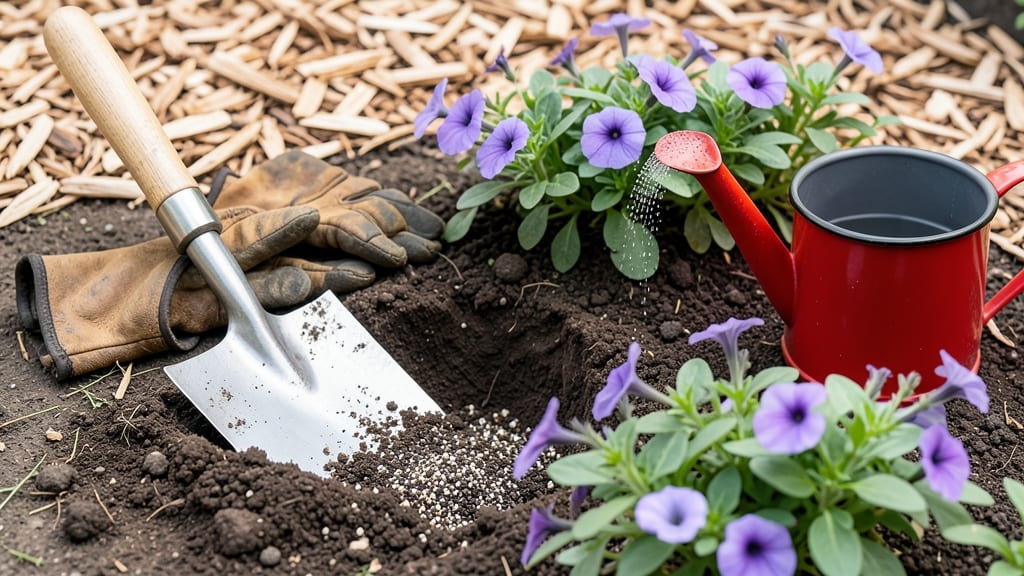
To plant flowers in the ground with confidence, start by testing your soil’s moisture and sunlight—these two factors decide whether your 🌸 thrives or wilts.
Picture this: You’ve picked out vibrant annuals or hardy perennials, only to watch them struggle because the soil was too compact or the spot got too much shade. Avoiding those pitfalls is easier than you think—with the right prep, even beginners can create a lush, long-lasting garden.
Below, I’ll walk you through the step-by-step process—from loosening the soil to spacing plants just right—plus pro tips for different flower types. You’ll also learn what most gardeners overlook that keeps flowers from blooming their best.
By the end, you’ll know exactly when to plant, how deep to bury those roots, and the one watering trick that saves struggling seedlings. Let’s get those blooms growing!

Step-by-step guide to planting flowers in ground soil
Planting flowers in ground soil is one of the most rewarding gardening tasks, but success starts with preparation. Whether you're filling a sunny border or adding shade-loving blooms to a corner, understanding the soil needs, planting depth, and spacing requirements ensures your flowers thrive from the first season.
I’ve planted everything from delicate pansies to hardy black-eyed Susans, and these steps have become my go-to routine for vibrant, healthy blooms.
Timing is everything—most flowers prefer spring planting after the last frost (typically mid-April in Zone 6a) or early fall (6-8 weeks before frost). This gives roots time to establish before extreme heat or cold sets in.
Before you dig, gather your tools: a garden trowel, pruning shears, gloves, and a watering can. I also recommend a soil test kit to check your garden’s pH level—most flowers prefer a neutral to slightly acidic soil (pH 6.0-7.0).
🌱 Step-by-Step Planting Guide
- 1 Prepare the Soil: Loosen the soil to a depth of 12-15 inches using a garden fork or tiller. Mix in 2-3 inches of compost or aged manure to improve drainage and fertility. For heavy clay soil, add sand or perlite to create a looser texture.
- 2 Choose the Right Location: Select a spot that matches your flowers’ sunlight needs. Full-sun plants like marigolds need 6+ hours of direct light, while hostas thrive in partial shade (3-6 hours). Mark the area with stakes or spray paint for clarity.
- 3 Dig the Planting Hole: For each plant, dig a hole twice as wide as the root ball and just as deep. Gently remove the plant from its container and loosen any circled roots at the bottom. If planting bare-root flowers, soak the roots in water for 10-15 minutes before planting.
- 4 Position and Space Correctly: Place the plant in the hole so the top of the root ball is level with the soil surface. Space plants according to their mature size—check the tag for guidelines (e.g., 12 inches apart for petunias, 18 inches for coneflowers). Overcrowding leads to competition for nutrients and air flow.
- 5 Fill and Water: Backfill the hole with soil, tamping lightly to remove air pockets. Water deeply to settle the soil and eliminate gaps. Use a slow watering can or hose with a gentle spray to avoid displacing the plant. Aim for 1-2 inches of water per week, depending on rainfall.
- 6 Mulch and Monitor: Apply a 2-3 inch layer of mulch (straw, shredded bark, or pine needles) around the base of the plant, keeping it 2 inches away from the stem to prevent rot. Mulch conserves moisture and regulates soil temperature. Watch for wilting leaves or yellowing foliage, which may signal overwatering or pests.
After planting, avoid fertilizing for 4-6 weeks to let roots recover. Instead, focus on consistent watering—early morning is ideal to reduce evaporation and fungal diseases. I’ve found that drip irrigation or soaker hoses deliver water directly to the roots, minimizing waste and stress on the plants.
For container-grown flowers, water until it drains from the bottom of the pot to ensure thorough hydration.
Seasonal adjustments are key: in summer heat, water more frequently (every 1-2 days) and provide afternoon shade for delicate varieties like impatiens. In fall, reduce watering as temperatures drop, but keep the soil moist until the first frost.
I’ve learned that deadheading spent blooms encourages continuous flowering, especially for annuals like zinnias or geraniums.
For bulbs like tulips or daffodils, plant them in fall at a depth of 3 times their height (e.g., a 2-inch bulb goes 6 inches deep). These hardy plants store energy underground over winter and reward you with spring color.
Always plant bulbs with the pointy end up—a trick I’ve used to avoid confusion with irregularly shaped bulbs.
Finally, keep a planting journal to track what thr
Best flower types for ground planting by sunlight and soil needs
Choosing the right flowers for your garden depends on two key factors: sunlight exposure and soil type. A sun-loving rose planted in shade will struggle just as much as a shade-tolerant impatiens baked in full sun. Let’s match your garden’s conditions with the perfect blooms for thriving growth.
Most gardeners overlook how soil texture affects root health—sandy soil drains too fast, while clay soil holds too much moisture. The flowers below adapt to these extremes, plus loamy soil, the gardener’s gold standard.
I’ve included planting depth and spacing guidelines so your flowers have room to grow without competing for nutrients.
| Flower Type | Sunlight Needs | Soil Type | Planting Depth | Spacing |
|---|---|---|---|---|
| Marigolds | Full Sun (6+ hrs) | Sandy or Loamy | ¼ inch deep | 8-12 inches apart |
| Impatiens | Partial Shade (3-6 hrs) | Loamy or Clay | ½ inch deep | 6-10 inches apart |
| Black-Eyed Susans | Full Sun (6+ hrs) | Clay or Loamy | ½ inch deep | 12-18 inches apart |
| Hostas | Full Shade (0-3 hrs) | Loamy or Sandy | 1 inch deep | 18-24 inches apart |
| Lavender | Full Sun (6+ hrs) | Sandy or Loamy | ½ inch deep | 12-18 inches apart |
For full sun lovers, marigolds and black-eyed Susans are my top picks—they handle dry spells and poor soil better than most. Plant them in sandy or loamy soil with 6+ hours of sunlight daily, and you’ll get bold blooms from early summer through fall.
If your garden gets partial shade, impatiens bring vibrant color without fuss. They thrive in loamy or clay soil and only need 3-6 hours of sunlight. For full shade areas, hostas are the go-to—their lush foliage tolerates 0-3 hours of sun and even compacted clay.
Pro tip: Always amend clay soil with compost before planting to improve drainage. For sandy soil, mix in organic matter like peat moss to retain moisture. Loamy soil? Just loosen it and add a balanced fertilizer for extra vigor.
Now that you’ve matched your flowers to their ideal home, your next step is proper spacing. Crowded plants compete for water and nutrients, leading to weak stems and fewer blooms. Follow the spacing guidelines above, and your garden will look neat and thriving all season long.