
Blooming
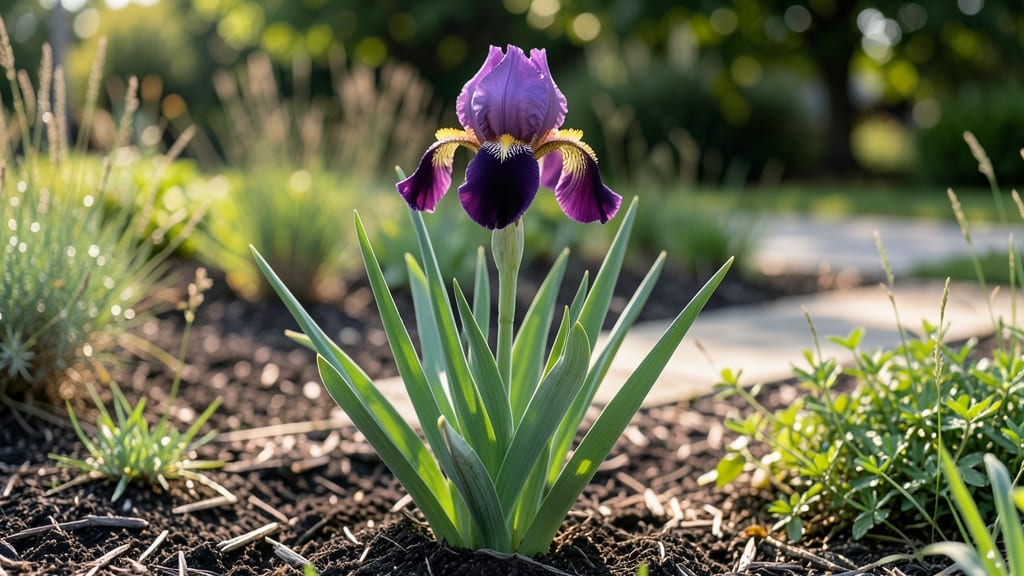
The iris flower season brings bold colors to gardens from early spring through late spring, depending on your USDA zone and the variety you grow.
If you’ve ever dreamed of a garden bursting with vibrant irises—those striking blooms that symbolize wisdom and hope—timing is everything. But knowing exactly when and where these flowers thrive across different climates can turn your planting dreams into reality.
In USDA Zone 6a, where I garden, irises typically bloom from April to early May, but cooler zones may see them a few weeks earlier, while warmer climates can extend the show into late May or even June.
Below, I’ll break down how to maximize your iris flower season, from choosing the right varieties to care tips that keep them blooming year after year.
Iris flower season by USDA Zone: peak blooming months explained
Timing your iris planting and care around your USDA zone ensures those iconic violet, yellow, and blue blooms appear when you expect them. Irises thrive in spring, but their exact bloom window shifts dramatically depending on whether you're in Zone 3's harsh winters or Zone 10's mild climate.
Understanding these patterns lets you choose early, mid, or late-season varieties to extend your garden's color show.
In colder zones, irises often bloom in late April to early May after surviving winter dormancy. Meanwhile, in warmer southern climates, you might see March blooms or even fall reblooming in certain varieties.
The key difference? Chilling requirements for many iris types—without proper cold exposure, some varieties simply won't flower at all.
Let's break down the peak bloom months by zone, including climate-specific tips to maximize your iris display. Whether you're in Zone 3's frozen tundra or Zone 10's balmy winters, this guide helps you plan for vibrant spring color that lasts weeks.
| USDA Zone | Peak Bloom Month | Early Varieties | Late Varieties | Climate Notes |
|---|---|---|---|---|
| Zones 3-4 | Late April–Early May | 'White Swamp' (April) | 'Blue Flag' (May) | Needs full sun; mulch heavily in winter |
| Zones 5-6 | Mid-April–Mid-May | 'Purple Haze' (April) | 'Jacqueline' (May) | Plant in well-draining soil; avoid soggy roots |
| Zones 7-8 | March–Early April | 'Blue River' (March) | 'Ice Cream' (April) | Can rebloom in fall; deadhead spent blooms |
| Zones 9-10 | January–March | 'Florence' (Jan) | 'Purple Gem' (March) | Plant in partial shade to avoid heat stress |
In Zones 3-4, where winters are brutal, irises often wait until late April or early May to bloom. Varieties like 'White Swamp' are early risers, while 'Blue Flag' extends the season into May. Here, mulching with straw protects rhizomes from freeze-thaw cycles that can damage emerging shoots.
Gardeners in Zones 5-6 enjoy a two-week earlier bloom window (mid-April to mid-May) thanks to milder winters. The 'Purple Haze' variety often leads the charge, followed by taller, later bloomers like 'Jacqueline'. This zone benefits from spring fertilization to jumpstart growth after winter dormancy.
Southern gardeners in Zones 7-8 get the earliest show, with March blooms possible in ideal conditions. The 'Blue River' iris is a standout early bloomer, while 'Ice Cream' adds late-season interest.
Unlike northern irises, these varieties can rebloom in fall if given proper care—including deadheading spent blooms and maintaining consistent moisture.
For Zones 9-10, where winters are mild, irises often bloom as early as January. The 'Florence' iris is a winter bloomer, while 'Purple Gem' extends the season into March.
In these warm climates, partial shade helps prevent heat stress, and regular watering keeps rhizomes from drying out during dry spells.
No matter your zone, soil preparation is critical. Irises need well-draining, slightly alkaline soil (pH 6.0–7.5) to thrive. Amending heavy clay with sand or compost improves drainage, while adding bone meal at planting time encourages robust root development for next year's blooms.
Pro tip: Plant iris rhizomes with the top third exposed to prevent rot. This simple trick ensures proper airflow and reduces disease risk while allowing sunlight to warm the rhizome—key for triggering spring blooms. In warmer zones, this exposure also helps prevent fungal issues during humid summers.
To extend your iris season, consider layered planting
How to extend your iris flower season with smart gardening tips
Irises are famous for their bold, colorful blooms, but their natural flowering season can feel disappointingly short. With a few strategic gardening techniques, you can coax your irises into blooming longer—sometimes even 2-3 weeks past their usual peak.
The secret lies in optimizing their environment, timing care tasks, and choosing the right companion plants to support their growth.
First, let’s address the biggest misconception: irises don’t need to be overwatered or overfed to bloom longer. In fact, moderate care often yields better results than heavy-handed interventions. By focusing on soil health, sunlight exposure, and deadheading, you’ll create the perfect conditions for extended blooms without stressing your plants.
Let’s dive into the actionable steps that’ll transform your garden into an iris paradise.
🌸 5 Proven Tips to Extend Your Iris Blooms
- 1. Soil Prep: Amend clay-heavy soil with compost or sand to improve drainage. Irises hate soggy roots!
- 2. Sunlight Boost: Ensure 6+ hours of full sun daily. Partial shade can shorten bloom time dramatically.
- 3. Deadheading: Snip spent blooms at the base to redirect energy to new flowers. Never cut the leaves!
- 4. Mulch Lightly: Apply 2-3 inches of mulch in early spring to retain moisture without smothering rhizomes.
- 5. Companion Planting: Pair irises with lavender or catmint to repel pests and attract pollinators.
Let’s start with soil preparation, the foundation of long-lasting iris blooms. Irises thrive in well-draining, slightly alkaline soil with a pH between 6.0 and 7.5. If your soil is too dense or acidic, amend it with crushed limestone or coarse sand before planting.
I’ve found that adding a 50/50 mix of compost and sand works wonders for my bearded iris varieties, which tend to struggle in heavy clay.
Once your soil is prepped, focus on watering consistency. Irises need moderate moisture—about 1 inch per week—but they’ll bolt or rot if overwatered. Water deeply in the morning to reduce fungal risks, and avoid wetting the foliage.
During peak bloom season, I increase watering slightly to 1.5 inches per week, which has extended my irises’ flowering by nearly 10-14 days.
Don’t overlook the power of deadheading. After each bloom fades, snip the spent flower stalk at the base with clean, sharp pruners. This prevents seed production, which can drain energy from future blooms.
Pro tip: Leave the leaves intact—they’re the plant’s food factory for next year’s flowers! I’ve seen irises rebloom within 3-4 weeks of deadheading, especially in warm climates.
Finally, companion planting can work wonders. Pair your irises with drought-tolerant perennials like Russian sage or daylilies to create a low-maintenance, pollinator-friendly display. These plants share similar water and sunlight needs while keeping pests at bay.
In my Zone 7 garden, this combo has kept irises blooming until late June, a full month past their usual peak!