
Flowers
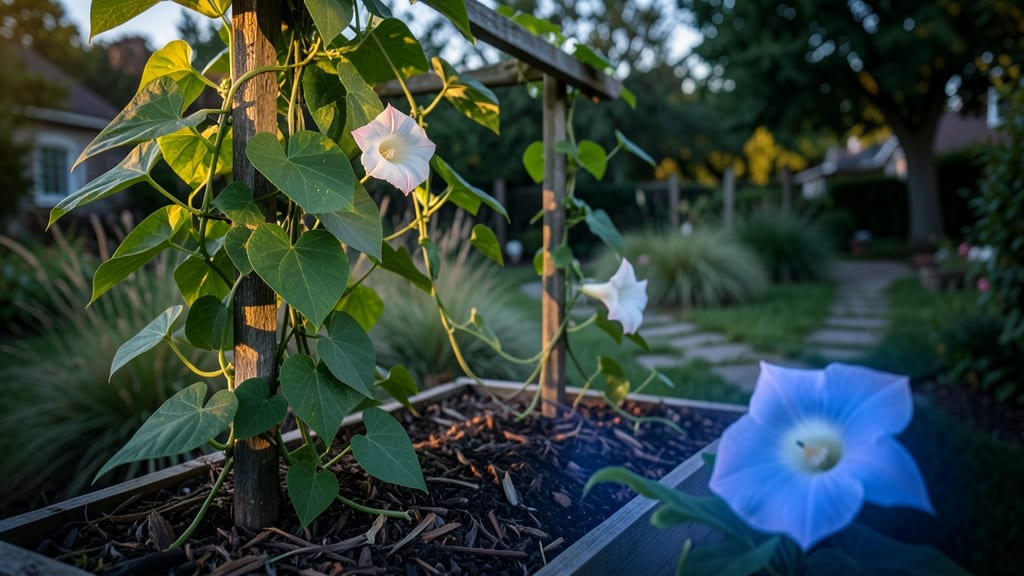
Moonflowers thrive in sun or shade with the right care — these night-blooming vines deliver stunning white blooms 🌙 even in less-than-ideal light.
Picture this: your garden stays quiet by day, but as the sun sets, fragrant moonflowers unfurl like magic, drawing in hummingbirds and moths. The catch? Many gardeners assume these beauties need full sun, only to watch their plants struggle in shadier spots.
But the truth is, some varieties adapt beautifully to partial shade, while others bask happily in full sun.
Whether you're working with a shady corner, a bright border, or something in between, I’ll show you how to pick the perfect moonflower for your space and keep it blooming reliably from July through August. No more guesswork—just lush, fragrant evenings every time.
We’ll cover the best sun-loving and shade-tolerant varieties, soil tricks to boost growth, and even how to troubleshoot wilting or leggy vines. Ready to turn your garden into a moonlit sanctuary?
 Best Window Placement
Best moonflower varieties that thrive in sun or shade
Moonflowers (Ipomoea alba) are famous for their dramatic nighttime displays, but their light requirements can be confusing. The good news? Some varieties adapt beautifully to partial shade, while others thrive in full sun.
Whether your garden gets morning light or dappled shade, there’s a moonflower cultivar perfect for your space. Let’s explore the top sun-tolerant and shade-friendly options that deliver those iconic, fragrant blooms.
Not all moonflowers are created equal. The classic Ipomoea alba (white moonflower) prefers full sun, but newer hybrids and related species like Ipomoea nil (Japanese moonflower) offer more flexibility.
These varieties can handle partial shade—as long as they get at least 4-6 hours of indirect light—making them ideal for patios, trellises near buildings, or woodland-edge gardens. The key is choosing the right cultivar for your lighting conditions.
If you’re in a full-sun location, Ipomoea alba 'Moonlight' and 'Evening Star' are my top picks. These varieties produce the most robust blooms and fragrance, with flowers lasting 4-7 hours after dusk.
For partial shade, Ipomoea nil hybrids like 'Scarlet O'Hara' or 'Heavenly Blue' are excellent choices—they adapt well to filtered light and still deliver stunning evening displays.
Regional suitability matters too. In hot, dry climates (USDA Zones 8-10), moonflowers in full sun may need extra evening watering to prevent wilting. In cooler, shadier zones (Zones 5-7), varieties like 'Purple Moon' thrive with just 4-6 hours of morning sun.
Always check your local microclimate—evenings in humid areas can extend bloom time by 1-2 extra hours.
Pro tip: Trellis placement affects light exposure. If growing near a building, position the trellis to catch morning sun and evening shade for balanced growth. Avoid deep shade—even shade-tolerant varieties need some direct light to produce blooms.
For containers, choose Ipomoea nil hybrids, as they’re more compact and adaptable to mixed-light conditions.
Fragrance is another key factor. Sun-grown moonflowers often have stronger, sweeter scents, while shade-adapted varieties may produce lighter but longer-lasting blooms. If you love the evening aroma, prioritize full sun for Ipomoea alba varieties.
For a more relaxed, low-maintenance approach, shade-tolerant hybrids like 'Heavenly Blue' offer a 3-5 hour evening show with minimal fuss.
Don’t overlook companion planting to enhance your moonflower’s performance. Pair sun-loving varieties with drought-tolerant perennials
How to grow moonflowers successfully in low-light gardens
Growing moonflowers (Ipomoea alba) in low-light gardens is absolutely possible with the right approach. While they love full sun, these night-blooming vines can thrive in partial shade or even dappled sunlight if you provide proper care.
The key is understanding their light needs and adapting your growing techniques to compensate for less sunlight.
Moonflowers are surprisingly adaptable, making them perfect for gardens under trees, on north-facing walls, or in shaded patios. With rich soil, consistent moisture, and support structures, you can coax stunning evening blooms even in less-than-ideal lighting.
Let’s break down the essential steps to maximize your moonflower’s potential in low-light conditions.
Step-by-Step Guide to Growing Moonflowers in Low Light
-
Step 1: Choose the Right Variety
Opt for shade-tolerant varieties like ‘Moonlight’ or ‘Evening Sky’, which handle partial shade better than standard types. These cultivars produce larger blooms even with 4-6 hours of indirect light. -
Step 2: Prepare Nutrient-Rich Soil
Amend your soil with compost or aged manure to boost fertility. Moonflowers in shade need extra nutrients to support their vigorous vines and fragrant blooms. Aim for a pH between 6.0-7.0. -
Step 3: Install a Sturdy Trellis Early
Plant seeds near a 5-6 ft trellis to encourage upward growth. In low light, moonflowers may grow leggier, so a trellis provides structure and prevents sprawling. Use bamboo stakes or wire mesh for support. -
Step 4: Water Consistently (But Not Overly)
Keep soil evenly moist but avoid waterlogging. In shade, soil dries slower, so water every 3-4 days during dry spells. Mulch with straw or wood chips to retain moisture and regulate temperature. -
Step 5: Fertilize Lightly for Blooms
Use a balanced fertilizer (5-10-10) every 4-6 weeks during the growing season. Too much nitrogen leads to leafy growth over blooms. Reduce feeding in late summer to encourage flowering. -
Step 6: Prune for Airflow and Shape
Trim back overly long vines to improve airflow and redirect energy to blooming. Pinch back tips in early summer to encourage bushier growth. Remove spent blooms to prolong flowering. -
Step 7: Pair with Companion Plants
Plant marigolds or nasturtiums nearby to deter pests and attract pollinators. Avoid competitive plants like mint or ivy, which can crowd out your moonflowers. Tall grasses or ferns make great underplantings.
If your moonflowers develop leggy stems or few blooms, they’re likely craving more light. Try moving them to a slightly sunnier spot or supplement with a grow light for 2-3 hours in the evening. With patience and these adjustments, you’ll enjoy those enchanting nighttime blooms—even in shadier spots!
Remember, moonflowers reward patience. In low-light gardens, focus on soil health, consistent care, and proper support to coax out those magical evening displays. Happy gardening!