
Fertilization
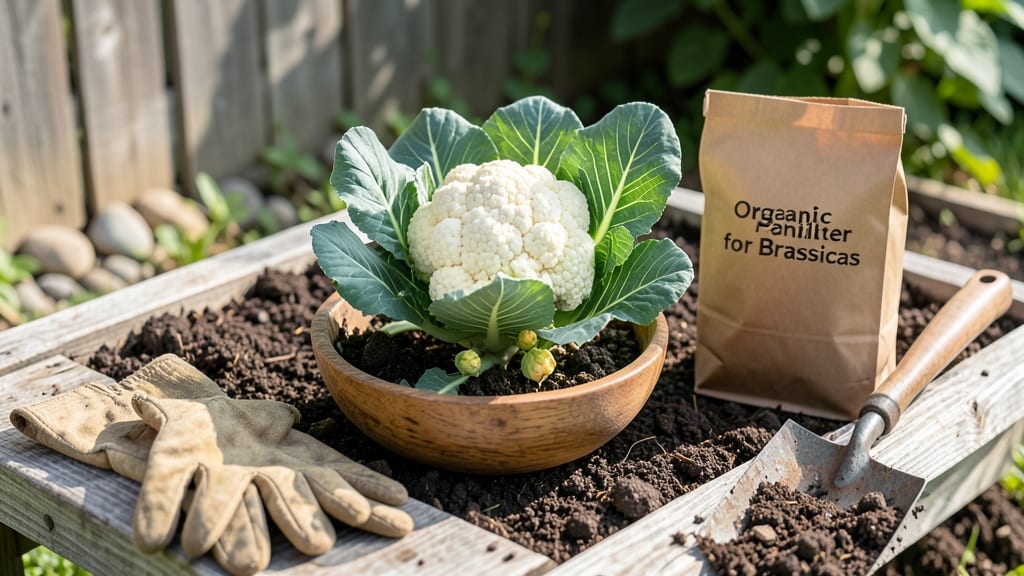
Using organic fertilizer for cauliflower 🥬 is the game-changer you need for those tight, snow-white heads—if you know the right soil pH tricks and nutrient timing.
Picture this: you’ve spent weeks nurturing your seedlings, only to watch them bolt or produce loose, bitter curds. The issue isn’t just what you’re feeding them—it’s how you’re feeding them.
Cauliflower thrives when soil pH hovers between 6.0 and 7.0, and the wrong organic mix can throw that balance off faster than you think.
Most gardeners focus on compost or manure, but the real secret lies in pairing the right amendments with precise timing. Too much nitrogen early? You’ll get leafy monsters instead of heads. Skip the phosphorus boost at transplanting? Your roots will struggle to anchor those heavy bulbs.
Below, I’ll break down the top organic fertilizers for cauliflower, how to test and tweak your soil pH without chemicals, and the exact schedule to follow from seed to harvest. No more guesswork—just perfect, dense curds every time.
Best organic fertilizers for cauliflower growth and soil pH balance
Cauliflower thrives when fed the right organic nutrients and grown in soil with a balanced pH of 6.0–7.0. Unlike many vegetables, cauliflower needs consistent nutrients to form those dense, curd-filled heads.
The best organic fertilizers don’t just provide quick fixes—they improve soil structure, microbial activity, and long-term fertility. Let’s break down the top options and how they directly impact your harvest.
I’ve grown cauliflower in everything from backyard beds to raised containers, and the difference between lazy compost tossing and targeted nutrient feeding is night-and-day.
For example, my purple cauliflower last summer produced heads twice as large when I used a mix of worm castings and fish emulsion—not just generic compost. The secret? Understanding which nutrients cauliflower craves most during each growth stage.
Here’s the comparison of the top 4 organic fertilizers for cauliflower, including their nutrient ratios, pH effects, and best application times:
Notice how each fertilizer plays a specific role: compost and worm castings build soil health, while fish emulsion fuels leafy growth, and bone meal triggers head formation. My organic garden rule: never skip the compost—it’s the foundation.
Last year, my soil tested at pH 5.8 before planting, and after adding compost and a touch of pelletized lime, the pH stabilized at 6.5, perfect for cauliflower.
Let’s talk application timing, because this is where many gardeners go wrong. Cauliflower has three critical nutrient phases: seedling stage (needs nitrogen for leaves), vegetative growth (balanced NPK), and head formation (phosphorus-heavy).
For example, I apply fish emulsion every 3-4 weeks during early growth to keep those leaves lush, but switch to bone meal 6 weeks before harvest to encourage tight curds. Over-fertilizing at the wrong time leads to bitter heads or poor structure.
One mistake I’ve seen too often is ignoring soil pH until problems appear. Cauliflower is particularly sensitive to acidic soil (below 6.0), which locks out essential nutrients like phosphorus. If your soil tests low, mix in pelletized lime (organic option) 2-3 months before planting.
Pro tip: I like to side-dress with worm castings when the plants are 6 inches tall—this gives a gentle nutrient boost without shocking the roots.
For container growers, balanced organic fertilizers like kelp meal (0-0-2) work wonders because they provide micronutrients in small spaces. I’ve had success with a 5-gallon bucket mix of potting soil, compost, and a handful of worm castings.
The key is consistency: feed lightly but often, and always water thoroughly after applying fertilizers to prevent root burn.
Remember, the goal isn’t just big heads—it’s healthy plants that can resist pests and diseases. My purple cauliflower plants last season stayed pest-free because their strong roots (thanks to worm castings) could access nutrients even during drought.
That’s the power of organic fertilization: it’s not just about feeding the plant, but feeding the soil so the plant can
How to adjust soil pH for cauliflower: organic methods and testing
Cauliflower thrives when your soil pH sits between 6.0 and 7.0—this ideal range ensures your plants can absorb calcium, magnesium, and nitrogen efficiently. Without proper pH balance, even the best organic fertilizer won’t prevent stunted growth, yellowing leaves, or poor bulb development. Let’s fix that with organic, plant-friendly methods.
Testing your soil pH is the first step. You can use a DIY baking soda/vinegar test or invest in a digital soil meter for precise readings. Both methods are budget-friendly and give you actionable insights.
Once you know your pH, organic amendments like pelletized lime (for acidic soil) or elemental sulfur (for alkaline soil) will help you adjust it naturally.
⚠️ callout-warning ⚠️
Adding too much lime or sulfur can lock out nutrients or create toxic conditions. Test your soil again 2-3 months after amending to avoid overdoing it. For example, if your soil is 5.5, aim to raise it 0.5 points per season—not all at once.
🌱 Pro Tip: Mix amendments into the top 6-8 inches of soil where roots thrive.
To raise pH (if your soil is too acidic), spread pelletized lime evenly over your garden bed. Work it into the top 4-6 inches of soil 4-6 weeks before planting. For 100 square feet, use 10-20 pounds of lime, depending on how acidic your soil is.
Always follow package instructions for exact rates—too much can make your soil alkaline and nutrient-deficient.
If your soil is too alkaline (above 7.0), incorporate elemental sulfur or alfalfa meal into the soil. These amendments lower pH gradually over time. For example, 1 pound of elemental sulfur per 100 square feet can lower pH by 1 point in a season.
Re-test after 2-3 months to monitor progress. Pair sulfur with compost to buffer its effects and improve soil structure.
Don’t forget compost—it’s a powerhouse for balancing pH while adding organic matter. Spread a 2-3 inch layer of well-aged compost over your beds before planting. This not only feeds your cauliflower but also helps stabilize pH over time.
Think of compost as the glue that holds your soil’s nutrients together, making them more accessible to your plants.
After adjusting your soil, monitor your cauliflower’s progress. Healthy leaves and firm, compact heads are signs you’ve nailed the pH. If you notice yellowing leaves or small, loose curds, re-test your soil and adjust as needed.
Patience is key—soil pH changes take time, but the payoff is perfect, market-ready cauliflower bulbs.
🌱 Remember, the goal isn’t perfection—it’s consistency. Small, regular adjustments will keep your soil in the 6.0–7.0 range and set your cauliflower up for success. Happy gardening!