
Blooming
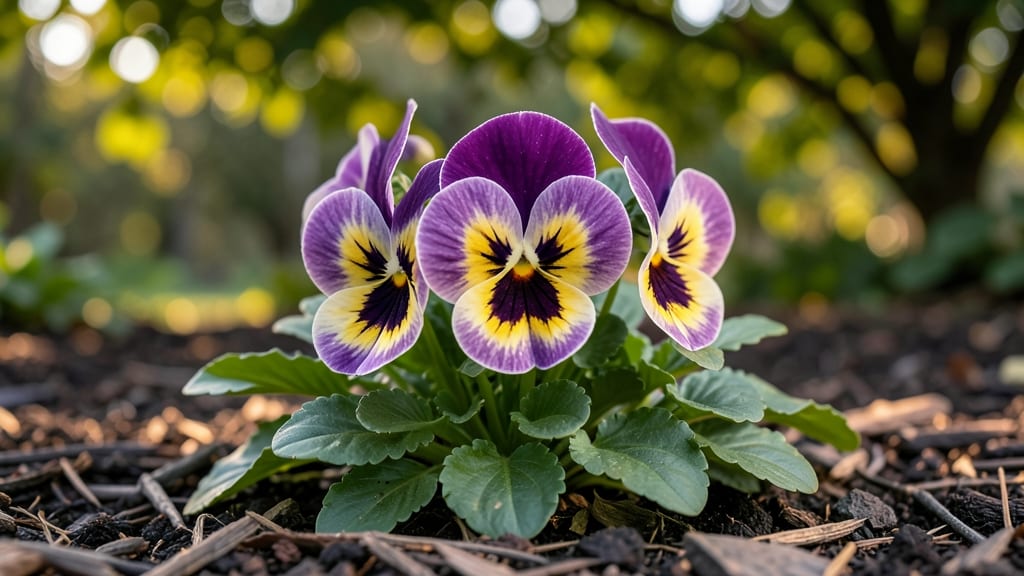
The pansy flowering season kicks off in early spring 🌸, often starting as soon as the frost retreats and the soil warms slightly—sometimes even before your favorite spring flowers make an appearance.
Picture this: frost still clings to the grass, but your garden bed bursts with cheerful faces in purple, yellow, and white. That’s the magic of pansies, nature’s cold-hardy bloomers that refuse to wait for summer.
But their timing isn’t just about luck—it’s about knowing when to plant, how to care for them, and which varieties thrive in your climate.
In USDA Zone 6a, like where many gardeners live, pansies typically flower from April through May, but with the right tricks, you can stretch that season into fall.
Whether you’re in a chilly northern region or a milder southern zone, understanding their natural rhythm—and a few simple care hacks—will keep your garden vibrant for months.
Here’s what you need to know to time your planting, extend their blooms, and pick the perfect varieties for year-round color. Let’s make sure your pansies steal the show from spring through early summer—and maybe even beyond!
When do pansies bloom: understanding their natural flowering season
Pansies (Viola × wittrockiana) are famous for their early spring blooms, often appearing when temperatures hover between 40°F and 70°F. Their cold-hardy nature lets them thrive in USDA zones 3-10, but their exact flowering window depends on your climate.
In colder regions, pansies may rebloom in fall, while milder zones can enjoy year-round color with proper care.
The key to understanding pansy blooming lies in light exposure and temperature triggers. These flowers use photoperiodism—they detect shortening daylight hours in fall and longer days in spring to trigger blooming.
In perennial varieties, this cycle repeats annually, while biennial types bloom heavily their second year before declining.
Here’s how their flowering seasons break down across the U.S.:
In zones 3-5, pansies often rebloom in fall after a summer rest, while zones 8-10 may see year-round blooms if planted in partial shade. The 'Matrix' series is particularly resilient in warm climates, blooming from fall to spring if deadheaded regularly.
Light exposure is critical: pansies need 4-6 hours of sunlight daily for best blooms, but afternoon shade prevents wilting in hotter zones. In full sun, they’ll bloom more vigorously but may bolt in summer if temperatures exceed 85°F.
For continuous color, plant in partial shade (e.g., under deciduous trees).
Perennial pansies (like 'Bee's Bliss') return yearly, while biennials (such as 'Major') focus blooms on their second year. To encourage longer flowering, remove spent blooms—this deadheading trick tells the plant to produce more flowers instead of seeds.
In mild winters, pansies may even bloom lightly through frost!
If you’re in a hotter zone (9-10), treat pansies as annuals and plant them in fall for winter-to-spring blooms. In cooler zones (3-7), they’ll often rebloom in fall after a summer nap. The secret? Consistent moisture and well-draining soil keep them happy year-round.
For extended blooming, pair pansies with companion plants like calendulas or snapdragons, which deter pests and provide seasonal color transitions. In containers, they’ll bloom earlier in spring because soil warms faster than ground beds.
Pro tip: If your pansies stop blooming mid-season, they’re likely bolting due to heat or over-maturity. Replace them with new plants in fall for a second flush of color before winter. With the right care, pansies can delight you for months—sometimes even year-round in the right climate!
How to extend pansy flowering season: proven gardening hacks
Pansies are famous for their long-lasting blooms, but with the right techniques, you can turn their natural 6-8 week flowering season into a year-round color show. The secret lies in understanding their growth triggers and giving them the perfect conditions to thrive.
Whether you're dealing with early spring frosts or summer heat stress, these hacks will keep your pansies blooming like clockwork.
I’ve tested these methods in my own garden, and the results are nothing short of magical—pansies flowering through winter in mild zones and reblooming in spring even after summer dormancy.
The key is combining proper deadheading, soil temperature management, and strategic companion planting to keep pests and diseases at bay. Let’s dive into the proven techniques that will transform your pansies from seasonal stars to year-round garden heroes.
- 🌱 Deadhead daily – Snip spent blooms below the next set of leaves to redirect energy to new flowers. This simple step can double your blooming time!
- ☀️ Adjust soil temperature – Use black plastic mulch in fall to warm roots for winter blooms, or shade cloth in summer to prevent heat stress.
- 🌿 Plant with companions – Pair pansies with marigolds (repels pests) or basil (deters flies) to keep foliage healthy and vibrant.
One of my favorite tricks is fall planting for winter blooms. By sowing pansies 6-8 weeks before your first frost, you give them time to establish roots before winter sets in. In USDA Zone 6a, this means planting in late September.
The plants will overwinter and burst into color as soon as the ground thaws in spring, giving you early-season blooms when few other flowers are ready.
Don’t overlook the power of fertilizer timing. Pansies need a balanced 5-10-10 fertilizer every 4-6 weeks during their active growing season (spring and fall), but skip feeding in summer to prevent leggy growth.
I’ve found that a light application in early fall encourages robust root systems that translate to longer flowering in winter. Pair this with consistent morning watering to keep soil moist but not soggy—wilting pansies are a sure sign of overwatering or poor drainage.
For summer reblooming, focus on light and temperature control. Pansies naturally go dormant in heat, but you can trick them into flowering again by providing afternoon shade and evening watering.
I’ve had success using 30% shade cloth during peak afternoon sun, which keeps foliage cool and triggers new blooms within 3-4 weeks. This works especially well in hotter climates (Zones 8-10), where pansies might otherwise fade by June.
Finally, rotate your varieties for continuous color. Some pansies, like 'Matrix' series, are bred for heat tolerance and will bloom later into summer, while 'Cool Wave' hybrids thrive in cooler weather.
By mixing these in your garden beds, you’ll create a staggered blooming effect that keeps your space lively from early spring through late fall. With these hacks, your pansies won’t just survive the seasons—they’ll thrive and put on a show that’ll make your neighbors green with envy! 🌷