
Flowers
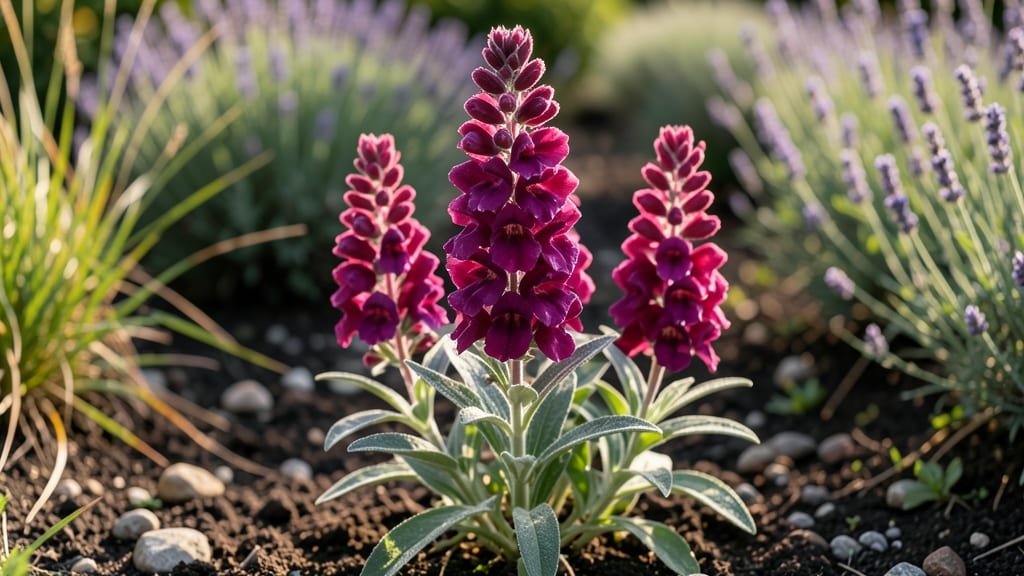
Growing snapdragons with the perfect flower height 🌸 means choosing the right variety for your space—whether you want a compact border or a dramatic vertical display.
If you’re dreaming of vibrant vertical gardens but unsure which snapdragons will reach your desired height, you’re not alone—many gardeners struggle to match plant size with space. Snapdragons offer everything from 12-inch dwarfs to towering 5-foot giants, making them perfect for borders, containers, or even cut flower arrangements.
Height isn’t just about aesthetics—it shapes how you plant, space, and design your garden. A tall variety like 'Rocket' can create a stunning backdrop, while 'Tom Thumb' fits snugly in window boxes. Below, I’ll break down the best varieties for your needs, plus tips to control growth naturally.
Ready to pick the perfect snapdragon? You’ll learn how spacing, pruning, and sunlight influence height—and how to use it to transform your garden into a layered, eye-catching masterpiece.

Snapdragon flower height by variety: compact to towering options
Choosing the right snapdragon variety depends entirely on your garden's vertical space. Whether you're working with a small balcony container or a towering backyard border, snapdragons adapt beautifully to your needs.
Their heights range from dwarf varieties under a foot to tall hybrids reaching five feet, making them incredibly versatile for any gardener's vision.
Understanding these height differences helps you plan spacing requirements and visual impact. A 6-inch dwarf planted in a window box creates a lush, colorful edge, while a 4-foot giant adds dramatic vertical interest to flower beds. Let's explore how each variety fits into your garden design and container layouts.
Height matters not just for aesthetics but also for pollinator access and wind resistance. Taller snapdragons attract hummingbirds higher in the garden, while compact varieties stay sturdy in containers. The right choice ensures your snapdragons thrive without flopping or crowding out neighbors.
The Tom Thumb series is my go-to for container gardening—its 8-12 inch height fits perfectly in 6-inch pots. I've seen gardeners create stunning hanging baskets with these dwarfs, spilling over edges for a cascading effect.
Their compact size also makes them ideal for rock gardens or fairy garden accents.
For mid-height drama, the Matrix series (12-18 inches) strikes the perfect balance. These varieties thrive in mixed borders and pollinator gardens, attracting bees and butterflies without overwhelming smaller plants.
Their dense growth habit also makes them excellent for cut flower arrangements—just snip a few stems for long-lasting bouquets.
When I need vertical impact, the Rocket series (24-30 inches) becomes my secret weapon. I plant these along fences or trellises to create instant height. Their slender stems pair beautifully with tall grasses or sunflowers, adding texture and color to the back of flower beds.
The Tall Hybrid varieties (36-48 inches) demand attention in any garden. These sturdy giants work best as backdrop plants or in cut flower gardens. I've used them to create a living screen along property lines, providing both privacy and pollinator support. Just remember to stake them in windy areas.
For maximum height, the Black Prince variety (48-54 inches) is unmatched. This dramatic dark purple snapdragon makes a stunning focal point in any garden. I've seen it used as a centerpiece in cottage gardens or as a tall cut flower in arrangements.
Its height requires ample spacing—18-24 inches between plants—to prevent crowding.
Choosing the right snapdragon height transforms your garden's visual layers. Start with
How to control snapdragon height naturally: pruning and spacing tips
Snapdragons are remarkably adaptable, but their final height depends heavily on how you manage them from the seedling stage. The key to encouraging your desired snapdragon flower height lies in three core practices: strategic pruning, proper spacing, and smart soil management.
Whether you want bushy dwarf varieties or towering tall hybrids, these techniques will help you achieve the perfect structure without harsh chemicals.
For taller snapdragons, focus on removing side shoots early to direct energy upward. This mimics natural growth patterns where the plant prioritizes stem elongation. Meanwhile, bushier growth comes from pinching back the main stem when it reaches 6-8 inches tall, forcing the plant to branch out.
The timing of these interventions makes all the difference in shaping your snapdragons' final form.
⚠️ WARNING: Common Mistakes That Stunt Snapdragon Growth
Let's start with pruning techniques. For taller snapdragons, remove the first set of true leaves when seedlings are 2-3 inches tall. This redirects energy to the main stem. As the plant grows, continue removing side shoots below the third node to maintain a single, strong vertical stem.
For bushier varieties, pinch back the main stem when it reaches 6 inches, cutting just above a leaf node. This encourages lateral branching, creating a fuller, more compact plant.
Proper spacing is equally critical. Tall snapdragons (3-5 feet) need 18-24 inches between plants to avoid competition, while dwarf varieties (12-18 inches) thrive with 8-12 inches of space. When planting in containers, use 5-gallon pots for tall varieties and 3-gallon pots for dwarfs.
Overcrowding leads to stunted growth and increased disease risk, so never skimp on space—your snapdragons will thank you with robust stems and abundant blooms.
Soil and nutrients play a surprising role in height control. Snapdragons prefer well-draining, slightly acidic soil (pH 6.0-7.0). Amend heavy clay with compost and coarse sand to improve aeration. For taller growth, add a phosphorus-rich fertilizer (like bone meal) at planting time to encourage strong root development.
Avoid high-nitrogen fertilizers, which promote leafy growth at the expense of stem elongation. Instead, use a balanced 5-10-10 formula every 4-6 weeks during the growing season.
Don't forget about staking for tall varieties. Install bamboo stakes or tomato cages early—once the main stem reaches 12 inches
Tie stems loosely with soft plant ties or old fabric strips, checking them weekly to prevent constriction. This prevents flopping and allows the plant to focus its energy on upward growth rather than stabilizing weak stems. Finally, deadheading spent blooms isn't just about aesthetics—it extends the flowering season and encourages taller, more vigorous growth. Remove faded flowers by pinching them off at the base, or snip the entire flowering stem back to a leaf node. This redirects the plant's energy toward producing new blooms and stronger stems. For cut flower arrangements, leave a few blooms to mature fully, but remove them promptly after harvest to maintain the plant's energy balance.