
Planting
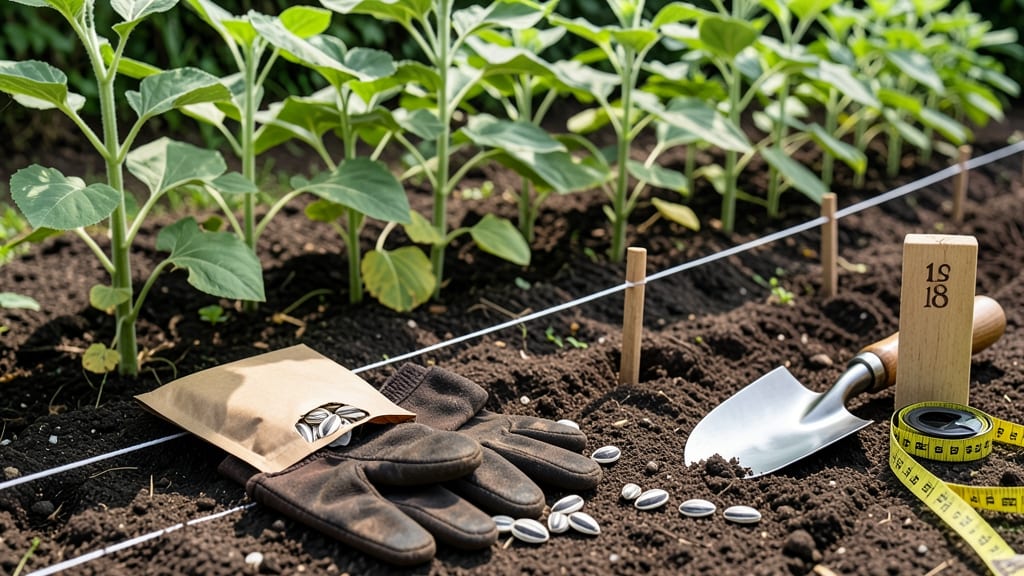
Proper sunflower seed spacing is the difference between towering, sturdy 🌻 giants and weak stalks fighting for sunlight.
Struggling with sunflowers that lean, topple, or compete for sunlight? The secret to growing tall, sturdy sunflowers starts with proper seed spacing—yet most gardeners get it wrong. Whether you're planting dwarf varieties or giant sunflowers, spacing affects everything from sunlight access to wind resistance.
In USDA Zone 6, planting sunflower seeds 6 inches apart in rows 18-24 inches apart gives them room to thrive. This spacing prevents overcrowding, which can lead to weak stems, yellowing leaves, and poor air circulation—all signs your plants are fighting for resources.
Below, I’ll break down the exact spacing for different sunflower types, how to adjust for your soil and climate, and the common mistakes that stunt growth. Ready to grow sunflowers that reach their full potential?

Optimal sunflower seed spacing by variety and growth habits
Sunflowers are one of the most rewarding plants to grow, but their towering heights and sprawling roots demand precise seed spacing to thrive.
I’ve learned the hard way that cramming seeds too close leads to weak stems and competition for sunlight, while spacing them too far apart wastes garden space. The key lies in matching your sunflower variety to its mature size and growth habits.
Giant sunflowers like Russian Mammoth can reach 12+ feet tall, while dwarf varieties such as Teddy Bear max out at 24-36 inches. Each type needs a different planting distance to ensure sturdy stems and maximum yield.
Let’s break down the science-backed spacing guidelines for every sunflower type, including row spacing for wind resistance and sunlight access.
Comparison Table: Optimal Sunflower Seed Spacing by Variety
For giant sunflowers, I recommend spacing seeds 18-24 inches apart in rows that are 36-48 inches apart. This gives their massive roots room to spread while preventing stem competition.
In my Zone 6 garden, I’ve found that adding a windbreak (like a trellis or tall fence) reduces the risk of toppling during storms.
Standard varieties like Autumn Beauty strike a balance with 12-18 inches between seeds and 24-36 inches between rows. This spacing ensures they get enough sunlight and air circulation while still producing large, vibrant blooms.
I’ve noticed that in denser soils, reducing row spacing to 24 inches helps conserve moisture without sacrificing yield.
Dwarf sunflowers are the most forgiving, thriving in 6-12 inch spacing with rows just 12-18 inches apart. These are perfect for container gardens or small urban plots.
Last summer, I grew Teddy Bear sunflowers in 5-gallon pots with two seeds per container, and they flourished with minimal care.
When planting in windy areas, I adjust my spacing slightly wider—24 inches between seeds for giants—to give stems extra room to sway without breaking. For high-density planting (like in cut-flower fields), I stick to the lower end of the spacing range and thin seedlings to avoid overcrowding.
Pro tip: Use a planting grid or string guide to maintain even spacing. I mark my rows with wooden stakes and a measuring tape to ensure consistency. For large gardens, a wheelbarrow full of compost placed between rows helps with moisture retention and weed suppression.
Remember, sunflowers are heavy feeders, so well-spaced plants have room to access nutrients deeper in the soil. If your soil is poor or sandy, consider adding a balanced fertilizer (like 5-10-10) at
How to space sunflower seeds for maximum yield without overcrowding
Getting the sunflower seed spacing right is the difference between towering, healthy blooms and weak, leaning stalks fighting for space. I’ve learned the hard way that crowded sunflowers compete for nutrients, sunlight, and wind resistance—leading to poor yields.
The key is balancing seed density with your garden’s conditions, whether you’re planting in a container garden or a sprawling field.
Your spacing strategy should adapt to three critical factors: soil fertility, climate conditions, and your sunflower variety. Rich, nutrient-dense soil lets you plant slightly closer, while poor soil demands wider gaps.
Hot, dry climates require extra space to prevent water competition, while cooler regions can handle denser plantings. Let’s break down the science behind spacing to maximize your harvest without sacrificing plant health.
- Standard Varieties: Space seeds 6–12 inches apart in rows 18–24 inches apart for optimal airflow and sunlight.
- Giant Sunflowers (10+ ft): Increase spacing to 18–24 inches apart in rows 30–36 inches apart to prevent toppling.
- Dwarf Varieties (3–5 ft): Plant seeds 4–6 inches apart in rows 12–18 inches apart for dense displays.
- Container Gardens: Use 1–2 seeds per 5-gallon pot, spacing them 6 inches apart in well-draining soil.
- Wind-Prone Areas: Space seeds 12–18 inches apart in staggered rows to reduce swaying and breakage.
- High-Fertility Soil: Reduce spacing by 20–30% since plants compete less for nutrients.
- Dry Climates: Increase spacing by 50% to minimize water stress and evaporation.
For container gardens, think vertically and horizontally. A 5-gallon pot can comfortably hold 1–2 sunflower seeds, but ensure the container is at least 12 inches deep to accommodate roots.
If you’re growing dwarf varieties, you can fit 3–4 seeds per container, but monitor for signs of overcrowding like yellowing leaves or stunted growth. In containers, well-draining soil is non-negotiable—sunflowers hate soggy roots!
Climate plays a surprising role in spacing. In hot, dry regions, increase spacing by 50% to reduce competition for moisture. I once planted sunflowers 6 inches apart in Arizona and watched them wilt by midday—until I widened the gaps to 12 inches and added mulch.
In cooler, wetter climates, you can plant more densely because soil stays moist longer, and plants grow slower, reducing competition.
Don’t forget about wind resistance. Tall sunflowers (8+ feet) need extra space to avoid toppling. If you live in a windy area, space seeds 12–18 inches apart in staggered rows.
This creates a natural windbreak and prevents stalks from snapping. Pro tip: Plant shorter varieties on the outer edges of your garden to shield taller sunflowers from gusts.
Finally, adjust your spacing based on your yield goals. For seed production, wider spacing (18–24 inches) ensures larger, healthier seed heads. For cut flowers or decorative displays, you can plant more closely (6–12 inches) to create a lush, uniform look.
Just remember: overcrowding leads to weak stems, poor blooms, and increased pest risks—so when in doubt, space them out!