
Companion Plants
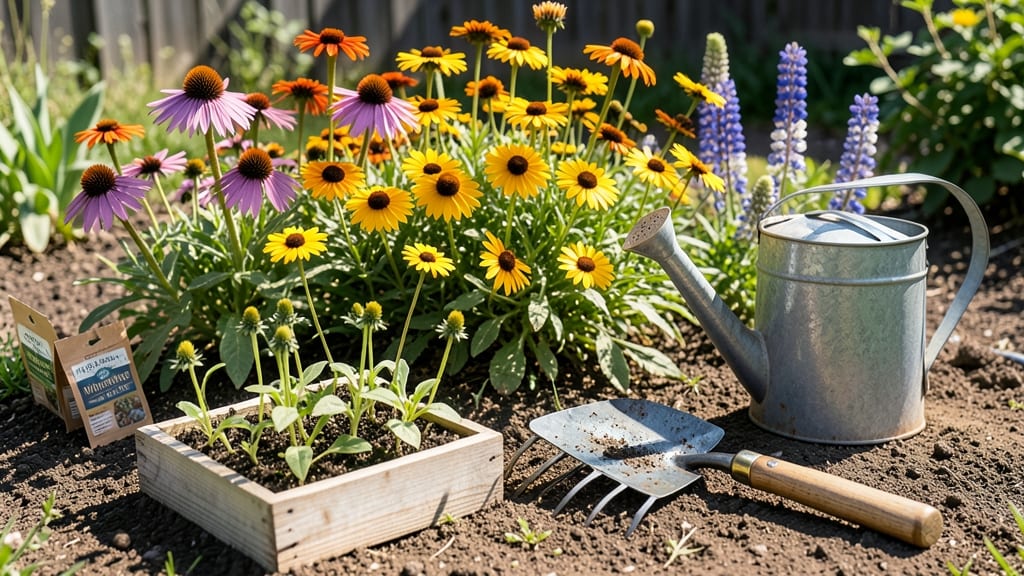
You can plant wildflower seeds in Ohio as early as late February, but timing is everything—plant too soon and frost will kill your 🌼 dreams before they even sprout.
Ohio’s microclimates mean the perfect window shifts from northern zones like Cleveland (wait until mid-April) to southern areas near Cincinnati (late March works).
Whether you’re sowing directly in the ground or starting containers, these frost-free dates will help you avoid weak blooms or invasive weeds taking over.
Below, I’ll break down the best months for your region, soil prep tips, and how to extend your planting season with fall strategies that actually work.
Ohio wildflower planting dates by USDA hardiness Zone (2024 guide)
Ohio spans USDA Hardiness Zones 5a through 6b, creating a 6-week difference in ideal planting windows. Northern areas like Toledo (Zone 5b) have later frost dates than southern Cincinnati (Zone 6b), which means timing is everything for wildflower germination and pollinator success.
I’ll break down the exact frost-free windows for each zone, plus how urban heat islands and rural microclimates shift these dates.
For spring planting, aim for soil temperatures above 50°F—this typically aligns with mid-April to early May in most of Ohio. However, fall planting (for spring blooms) can start as early as late August in southern Ohio and stretch to mid-September in the north.
The key is avoiding late-season weeds while giving seeds time to establish before winter dormancy.
Urban gardens often warm up 1-2 weeks faster than rural areas due to concrete heat absorption, while wooded areas may delay planting by 10-14 days.
Always check your local last frost date—Cleveland averages April 20, while Columbus sits around April 10. I’ll help you adjust for these variations below.
Ohio Wildflower Planting Windows by USDA Zone
| Zone | Spring Planting Window | Fall Planting Window | Soil Temp Requirement | Last Frost Date (Avg) | Urban Adjustment |
|---|---|---|---|---|---|
| 5a (Toledo, NE Ohio) | May 1-15 | Sep 1-15 | 50-55°F | April 25 | +7 days |
| 5b (Akron, Youngstown) | April 25-May 10 | Sep 10-25 | 50-55°F | April 15 | +5 days |
| 6a (Columbus, Dayton) | April 10-25 | Sep 1-15 | 50-55°F | April 10 | +3 days |
| 6b (Cincinnati, Lexington) | March 25-April 10 | Aug 25-Sep 10 | 50-55°F | March 25 | +7 days |
For spring planting, I recommend starting with early-blooming species like wild bergamot (Monarda fistulosa) in Zone 5a, while Zone 6b gardeners can add black-eyed Susans (Rudbeckia hirta) as early as late March
Best wildflowers for Ohio’s microclimates (sun exposure & soil types)
Ohio’s varied landscapes—from sun-drenched meadows to shaded woodlands—create unique microclimates that demand the right wildflowers. Native species thrive in these conditions, offering pollinator support and year-round beauty. Let’s explore the top 12 wildflowers categorized by sun exposure and soil needs, ensuring your garden flourishes in Ohio’s diverse zones.
For full-sun meadows (6+ hours of sunlight), Black-Eyed Susan and Purple Coneflower dominate with their drought tolerance and vibrant blooms. These sun-loving perennials attract bees, butterflies, and hummingbirds while thriving in well-draining soil.
In contrast, partial-shade woodlands (3–6 hours of sun) favor Wild Columbine and Virginia Bluebells, which prefer moist, humus-rich soil.
Urban heat islands in cities like Columbus or Cleveland need drought-tolerant species like Butterfly Weed and Goldenrod. These heat-resistant wildflowers thrive in poor soil and require minimal water once established. Below, find a curated list of Ohio-native wildflowers tailored to your garden’s conditions.