
Flowers
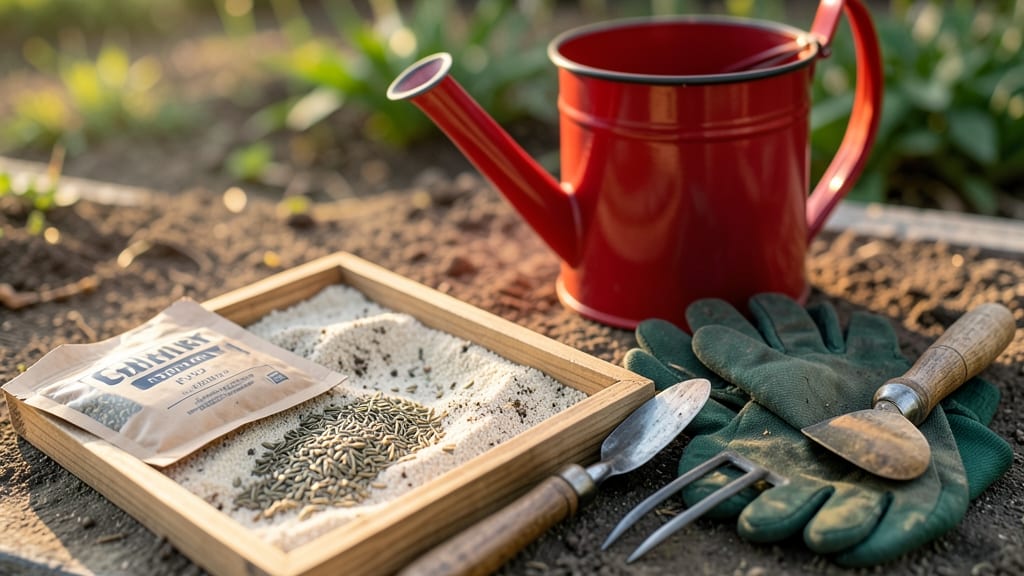
Plant wildflower seeds in Texas during fall (September–November) or early spring (February–April) for the best results, especially in zones 6a–10b.
Picture this: you’ve spent hours scattering 🌼 wildflower seeds across your yard, only to watch them bake under a Texas summer sun or freeze in a late frost. Timing isn’t just about luck—it’s the difference between a meadow of color and a missed opportunity.
Fall planting lets seeds germinate in cool weather, while spring gives them a head start before the heat arrives. North Texas gardeners should aim for September, while South Texas can stretch into November. The key? Avoid planting when summer’s brutal heat or winter’s frost is still lurking.
In this guide, you’ll discover the exact months to plant by region, soil prep tips to maximize germination, and watering tricks that keep your wildflowers thriving—no guesswork, just vibrant blooms.
Best months to plant wildflower seeds in Texas by region
Texas gardeners know timing is everything when it comes to wildflowers—especially with our diverse climates and variable frost dates. Planting too early risks frost damage, while waiting too long can mean missed blooms.
I’ve broken down the ideal planting windows for North, Central, and South Texas, including adjustments for urban heat islands and rural microclimates.
Native species like Bluebonnets and Indian Paintbrush thrive when sown at the right time. For example, fall planting in North Texas often yields spring blooms, while South Texas gardeners can plant year-round in some areas.
Let’s dive into the specifics so you can transform your landscape into a colorful oasis.
🌱 Key Factors: Frost dates, rainfall patterns, and soil temperatures all influence planting success. Urban areas may experience 5-10°F warmer microclimates than rural zones, so adjust timelines accordingly.
In North Texas, where frosts are common, aim for September-October planting to establish roots before winter. Bluebonnets, Texas’ state flower, need 60-90 days of cool weather to germinate properly. I’ve seen firsthand how a late October planting can still produce spring blooms if protected from harsh winds.
Central Texas offers a longer window due to milder winters. Gardeners in Austin or San Antonio can plant as late as November for spring color, while Hill Country areas benefit from delayed planting to avoid early frosts. My Mexican Feathergrass always blooms earlier when planted in October rather than September.
South Texas gardeners enjoy the most flexibility—planting is possible year-round, though fall and spring yield the best results. The Gulf Coast’s humidity means seeds need light soil coverage to prevent fungal issues. I’ve had success with Mexican Poppies blooming within 6 weeks of a January planting.
Regardless of region, soil prep is critical. Loosen the top ¼ inch of soil and rake to create a fine seedbed. Scatter seeds lightly—wildflowers don’t need thick coverage—and press them into the soil with a light roller or your hand. Water gently to avoid displacing seeds.
One common mistake I see? Planting too late in spring when summer heat arrives. If you miss the February-March window, wait until fall—your wildflowers will thank you with vibrant blooms next spring. Remember, patience pays off—some species take 2-3 years to reach full bloom potential.
For urban gardens, consider container planting to control microclimates. Pots dry out faster, so monitor soil moisture closely. Rural areas with clay soil benefit from amending with compost to improve drainage. I’ve tested both methods and found container-grown wildflowers often bloom 2 weeks earlier than ground-planted varieties.
Finally, embrace staggered planting for continuous color. Sow half your seeds in fall and the other half in early spring. This ensures year-round interest and supports local pollinators. My Indian Paintbrush always gets the most attention when it blooms alongside spring Bluebonnets—a true Texas garden showstopper.
How to prepare your Texas soil and site for wildflower success
Texas wildflowers thrive when given the right conditions, but poor soil preparation can mean the difference between a vibrant meadow and sparse blooms. Start by choosing a sunny location—most native wildflowers need 6+ hours of sunlight daily. Avoid shady spots where weeds often outcompete delicate seedlings.
Before planting, clear the area of existing weeds and debris. Use a hoe or string trimmer to remove grass and weeds, then rake the soil to create a fine seedbed. Wildflower seeds are tiny, so a smooth surface helps them make contact with the soil.
Test your soil’s pH—most Texas wildflowers prefer slightly acidic to neutral soil (6.0-7.0). If your soil is too alkaline (common in Texas), amend it with composted leaf litter or peat moss to lower the pH naturally. Avoid synthetic fertilizers, which can harm wildflowers.
⚠️ callout-warning
Texas soil is often heavy clay or compacted. Over-tilling can destroy soil structure and harm beneficial microbes. Instead, use a broadfork to loosen soil 6-8 inches deep—just enough to help roots penetrate without disrupting the ecosystem.
For clay-heavy areas, mix in composted organic matter (like leaf mold) to improve drainage. Never use fresh manure—it can burn seeds and seedlings.
Once your site is cleared, create a lightly disturbed seedbed. For direct sowing, scatter seeds evenly and press them into the soil with a light rake or board. A thin layer of mulch (straw or pine needles) helps retain moisture and protect seeds from erosion.
Watering is critical in Texas’ variable rainfall. After planting, keep the soil consistently moist (not soggy) for the first 4-6 weeks. Use a gentle sprinkle in the morning to avoid fungal diseases. Once established, wildflowers need deep but infrequent watering—about 1 inch per week.
For best results, plant in fall (September-November) or early spring (February-March). These windows give seeds time to germinate before extreme heat or drought. In South Texas, you can plant year-round, but avoid summer months when temperatures exceed 90°F.