
Flowers
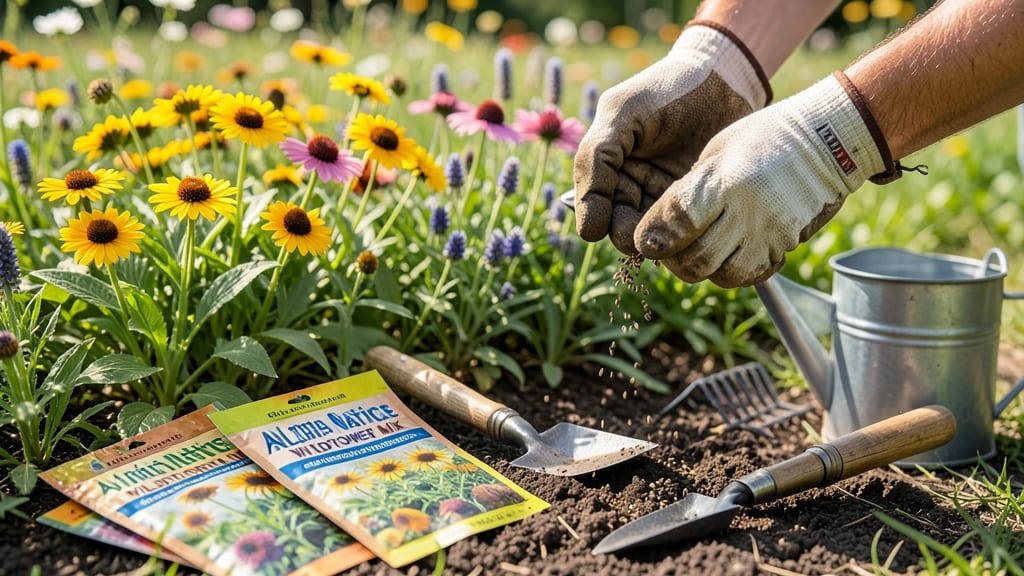
Planting wildflowers in Alabama at the right time ensures vibrant blooms year-round, whether you’re in USDA Zone 7a or 8b.
Miss the window, and you’ll either lose seedlings to late frosts or watch your garden miss peak blooms. Alabama’s climate—humid subtropical in the south, warm temperate in the north—means timing is everything. But don’t worry: with the right schedule, you can enjoy 🌼 from spring through winter.
Fall planting (September–November) is ideal for most wildflowers, letting seeds establish roots before winter. Early spring (February–March) also works, especially for Black-Eyed Susans and Coneflowers, which thrive in Alabama’s warm soil.
Below, I break down the exact months by zone, soil prep tips, and the best varieties for your region—so you can skip the guesswork and start planting with confidence.
Alabama wildflower planting calendar by USDA Zone (exact months for best results)
Alabama’s USDA Zones 7a-8b offer perfect conditions for wildflowers year-round, but timing is everything. Fall planting (September-November) lets seeds establish roots before winter, while early spring (February-March) catches the first warm spells. North Alabama’s cooler microclimates (Zone 7a) need earlier starts than South Alabama’s warmer zones (Zone 8b).
Key factors like last frost dates (March 15 in North, February 28 in South) and soil temperatures (60°F+ for germination) dictate success. Annuals like Cosmos and Sunflowers thrive with spring planting, while perennials such as Black-Eyed Susans benefit from fall sowing to avoid transplant shock.
Below is your zone-specific planting calendar, including soil prep tips and ideal conditions for each month. Pro tip: Always scatter seeds lightly—1/4-inch coverage max—and keep soil moist until germination.
| Month | USDA Zone 7a (North AL) | USDA Zone 8b (South AL) | Soil Prep | Ideal Conditions |
|---|---|---|---|---|
| September | ✅ Best for perennials | ✅ Best for annuals/perennials | Loosen soil, add compost | 60-70°F soil, full sun |
| October | ✅ Last chance for fall | ✅ Ideal for all types | Mulch lightly (1 inch) | 55-65°F soil, partial shade |
| November | ❌ Avoid (frost risk) | ⚠️ Early November only | Protect with frost cloth | 50°F+ soil, windbreak |
| February | ✅ Start annuals | ✅ Best for spring blooms | Test pH (6.0-7.0) | 65°F+ soil, full sun |
| March | ✅ Last frost window | ✅ Peak planting | Aerate compacted soil | 70°F+ soil, 6+ sun hours |
For Zone 7a, focus on fall planting (September-October) to avoid late frosts. In Zone 8b, you can extend into early November or even January for heat-loving species like Lantana. Always check your local Alabama Cooperative Extension for microclimate adjustments—mountain regions may need 2-3 weeks earlier starts.
Soil prep is critical: Loosen top 4 inches of soil to improve seed contact, and mix in compost for nutrients. Sandy soils (common in South Alabama) drain too fast—amend with peat moss, while clay soils (North Alabama) benefit from gypsum to break compaction.
A light mulch (straw or pine needles) retains moisture and regulates temperature.
Annual wildflowers like Zinnias and Marigolds thrive with spring planting (March-April), while perennials such as Coneflowers and Bee Balm prefer fall establishment. Succession planting every 4-6 weeks ensures continuous blooms—sow Cosmos in March, then again in June for fall color.
Watering is key during germination: keep soil consistently moist (not soggy) for the first 30 days. Once established, most wildflowers tolerate drought, but deep watering once weekly encourages robust roots. Morning watering (before 10 AM) prevents fungal diseases in Alabama’s humid climate.
Watch for late frosts in April—cover tender seedlings with frost cloth if temperatures dip below 32°F. In Zone 8b, you can plant
Best wildflower species for Alabama’s climate and when to Sow them
Alabama’s warm climate supports a stunning variety of wildflowers that thrive year-round, but the right timing is everything.
Whether you’re planting native perennials like Black-eyed Susans or tropical favorites like Lantana, each species has its own ideal window. Fall planting (September–November) is my go-to for most wildflowers, as cooler temps reduce stress on seedlings.
However, spring sowing (February–March) works for heat-loving annuals that need to establish before summer’s intensity.
For pollinator-friendly gardens, I prioritize species that attract bees, butterflies, and hummingbirds—like Coneflowers and Milkweed. These plants not only beautify your landscape but also support Alabama’s declining pollinator populations.
Below, I’ve ranked the top 10 wildflowers by bloom season, drought tolerance, and ease of care, along with their exact planting deadlines for Alabama’s USDA Zones 7a–8b.
- Black-eyed Susan (Rudbeckia hirta) – Plant in September–October for spring blooms. Thrives in full sun and drought conditions once established. Deadhead spent blooms to encourage continuous flowering.
- Coreopsis (Coreopsis spp.) – Sow in February–March or September for year-round color. Drought-tolerant and perfect for rock gardens or wildflower meadows.
- Lantana (Lantana camara) – Plant after last frost (March–April) in South Alabama or May in North Alabama. Loves heat and humidity; prune to shape and encourage dense blooms.
- Coneflower (Echinacea purpurea) – Sow seeds in September or transplant in October for robust roots. Pollinator magnet with long bloom seasons (spring to fall).
- Milkweed (Asclepias tuberosa) – Plant in September–October to support Monarch butterflies. Prefers well-draining soil and full sun.
- Salvia (Salvia coccinea) – Sow in March–April for summer blooms. Heat-loving annual that thrives in poor soil and attracts hummingbirds.
- Blanket Flower (Gaillardia pulchella) – Plant in September–October or February–March. Drought-resistant and long-blooming, perfect for xeric landscapes.
- Butterfly Weed (Asclepias tuberosa) – Sow in September for spring emergence. Native pollinator powerhouse with orange blooms that last all summer.
- Goldenrod (Solidago spp.) – Plant in September–October for late-summer/fall color. Often misjudged as a weed—it’s a pollinator favorite!
- Zinnia (Zinnia elegans) – Sow in March–April or September for summer/fall blooms. Easy-to-grow annual with bright, long-lasting flowers.
For North Alabama (Zones 7a–7b), stick to September–October planting to avoid early frosts that can damage tender seedlings. In South Alabama (Zones 8a–8b), you can extend planting into November or even early December for winter bloomers like Lantana or Salvia.
Pro tip: Stratify seeds (mix with moist sand and refrigerate) for perennials like Coneflower to break dormancy faster.
If you’re aiming for a year-round wildflower display, I recommend layering spring bloomers (like Coreopsis) with summer favorites (like Zinnia) and fall/winter stars (like Goldenrod). Start with direct sowing for most species—it’s easier than transplants and mimics natural conditions.
Just scratch seeds lightly into the soil (¼ inch deep) and keep the area moist until germination.
For drought-prone areas, prioritize native species like Milkweed or Blanket Flower, which evolved to thrive on Alabama’s variable rainfall. Once established, these plants need minimal watering—just deep soaks every 2–3 weeks during dry spells.
Mulch around the base to retain moisture and suppress weeds, which compete for nutrients.
🌼