
Flowers
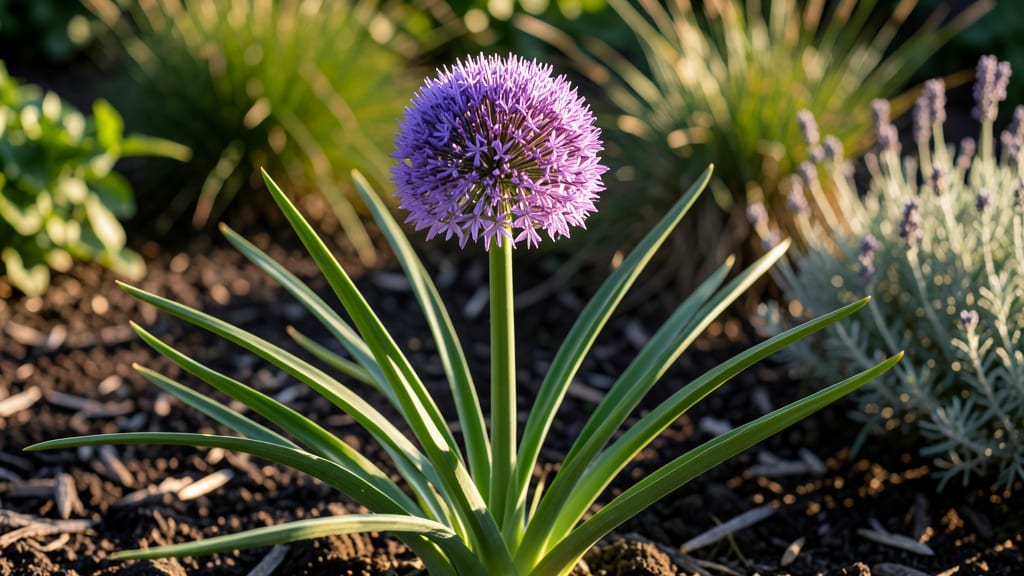
Allium flowers bloom in late spring through early summer, transforming your garden with their striking, globe-shaped blooms 🌸.
Picture this: you’ve waited all winter for color, only to realize your Allium giganteum missed its prime display because you planted it too late.
Timing is everything, and knowing when each variety blooms—whether it’s the early Allium moly in March or the towering Allium sphaerocephalon in June—lets you plan for a showstopping season.
From USDA Zone 6a to coastal climates, bloom times shift with location, but most alliums thrive when planted in March or April. This guide breaks down the exact months for popular varieties, so you can sync your garden for continuous blooms from spring to summer.
You’ll also discover how to extend their beauty with simple tricks—like deadheading spent blooms or pairing them with companion plants—and why some alliums reward patience with second flushes. Ready to turn your garden into a year-round spectacle?
Allium flower blooming seasons by variety: a month-by-month breakdown
Allium flowers bring striking architectural beauty to gardens with their globe-shaped blooms in shades of purple, white, and pink. But their blooming windows vary dramatically by variety—some burst into color in early spring, while others shine in late summer.
Understanding these timing differences lets you create a year-round display of allium drama.
From the dwarf Allium moly that brightens spring borders to the towering Allium giganteum that steals summer shows, each variety has its own schedule. I’ve organized this guide by bloom season and USDA hardiness zones to help you plan for continuous color.
Whether you’re in Zone 3’s cold winters or Zone 10’s mild climate, these timing tips ensure you never miss a bloom.
Pro Tip: Most alliums thrive in full sun (6+ hours daily) and well-draining soil. Plant bulbs in fall for spring blooms or early spring for summer varieties to align with their natural cycles.
For Zone 3–5 gardeners, focus on early bloomers like Allium moly and hardy perennials like Allium cernuum. These varieties tolerate late frosts and often rebloom if deadheaded. In Zones 7–10, extend your season with late-summer alliums like Allium schubertii, which thrive in hotter climates.
To create continuous blooms, stagger plantings by 4–6 weeks. For example, plant Allium moly in fall for spring color, then add Allium giganteum in early spring for summer height. This layered approach ensures your garden stays vibrant from March through August.
In cooler coastal zones (6–8), some alliums like Allium sphaerocephalon may bloom 2–3 weeks later than inland areas. Monitor local frost dates and adjust planting times accordingly.
For container gardens, choose dwarf varieties like Allium moly—they thrive in pots and can be moved to extend their season.
Deadheading spent blooms encourages second flushes in many alliums, especially Allium sphaerocephalon and Allium christophii. Simply snip off the faded flower heads with clean shears, leaving the foliage intact to feed the bulb for next year. This simple trick can add 2–4 weeks to your allium displays.
Pair alliums with companion plants that bloom in gaps between allium seasons. For example, plant Allium moly with early tulips in spring, then transition to black-eyed Susans as alliums fade in summer. This strategic layering keeps your garden colorful year-round with minimal effort.
If you’re new to alliums, start with 3–5 varieties to test your local climate’s timing. Keep a gardening journal to track bloom dates—this helps refine future plantings. With the right mix, your alliums will transform your garden into a seasonal spectacle from spring through fall.
How to extend Allium blooms: pruning, deadheading, and succession planting tips
Nothing beats the sight of allium blooms towering over your garden like dramatic globes of color. But those stunning flowers don’t have to be a one-time showstopper. With the right care, you can stretch their display from weeks to months.
The key? A mix of pruning techniques, strategic deadheading, and smart succession planting.
I’ve learned that alliums thrive on attention, especially when it comes to timing. For example, Allium giganteum (giant allium) and Allium schubertii (drumstick allium) respond beautifully to deadheading, while Allium moly (lamb’s ears allium) benefits from staggered planting.
Let’s dive into the exact steps to maximize your blooms—without sacrificing plant health.
- 🌱 Early Spring Alliums (e.g., Allium moly, Allium christophii): Bloom March-April in USDA zones 5-9. Plant bulbs in fall (September-October) for next year’s early color.
- 🌿 Mid-Season Alliums (e.g., Allium sphaerocephalon, Allium karataviense): Peak May-June. Deadhead after blooming to encourage second flushes in late summer.
- ☀️ Late Summer Alliums (e.g., Allium giganteum, Allium schubertii): Bloom July-August. Prune 1/3 of stems after first bloom to trigger reblooming.
- ❄️ Cold-Hardy Alliums (e.g., Allium cernuum): Bloom April-May even in USDA zone 3. Mulch heavily in fall to protect bulbs for next year.
Deadheading is your first line of defense for prolonging blooms. Remove spent flowers by snipping the stem just above the lowest healthy leaf. This redirects energy from seed production back into the bulb, often triggering a second flush of blooms.
For Allium giganteum, I’ve seen reblooming occur 6-8 weeks after the first cut if conditions are right.
Pruning isn’t just for tidiness—it’s a growth hack. After the first bloom, cut back 1/3 of the tallest stems to reduce top-heaviness and encourage lateral branching.
This works especially well with Allium schubertii, whose drumstick-shaped blooms can produce smaller side shoots when pruned correctly. Always use sterilized shears to prevent disease spread.
Succession planting is where the magic happens for year-round allium interest. Mix early bloomers like Allium moly with late-season varieties like Allium atropurpureum. Plant bulbs in staggered batches—every 3-4 weeks from September to November—to ensure continuous color.
For example, a March-April display from Allium christophii can seamlessly transition to June-July blooms from Allium karataviense.
Pests like thrips can turn vibrant blooms into brown, crunchy messes. Protect your alliums by spraying neem oil or introducing beneficial insects like ladybugs. I’ve also had success with row covers during peak thrip season (June-August).
Healthy bulbs are your best defense—ensure they’re planted in well-draining soil and full sun to build resilience.
With these techniques, your alliums won’t just bloom—they’ll perform. Whether you’re aiming for cut flowers, pollinator gardens, or simply longer enjoyment, a little strategic care turns a fleeting display into a season-long spectacle. 🌸