
Blooming
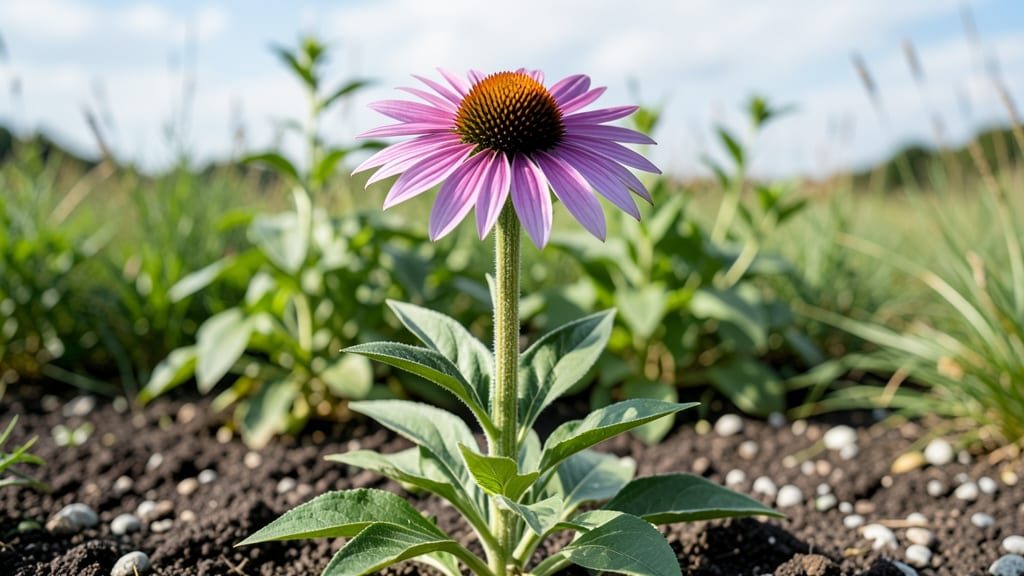
The coneflower bloom season stretches from late June through September 🌼, but the exact timing depends on your USDA zone and a few key growing conditions.
Picture this: you’ve waited all spring for those vibrant purple, pink, or white blooms to light up your garden, only to realize they’re peaking while you’re away on vacation. Getting the timing right means planning ahead—and knowing your zone makes all the difference.
In cooler climates like Zone 6a, coneflowers often burst into color by early July, while warmer regions in Zone 9 can enjoy blooms as late as October. Sunlight, soil health, and even watering habits play a role in extending that show-stopping display.
Below, I’ll break down the peak months for your zone, plus three simple tricks to keep your coneflowers blooming longer—so you never miss a single stunning petal.
Coneflower bloom season by USDA Zone: month-by-month guide
Coneflowers (Echinacea) are summer-to-fall superstars, but their bloom timing varies dramatically depending on your USDA hardiness zone. In cooler northern zones, expect June starts, while southern gardeners enjoy spring blooms that stretch into November.
Understanding these patterns helps you plan companion plants and extend the season with smart care.
Climate plays a huge role—warmer zones like Zone 9-10 often see earlier blooms (as early as April), while Zone 3-4 gardeners may wait until July.
Even within a zone, microclimates (like urban heat islands) can shift timelines by 2-4 weeks. Let’s break down the month-by-month expectations for each zone.
In Zone 3-4, coneflowers typically wait until late June to bloom, with peak color in July-August. The short growing season means late varieties like 'Magnus' shine here—they handle cooler temps better.
If you’re in Zone 5-6, you’ll see earlier blooms starting in early June, giving you a 4-month display if you deadhead regularly.
Gardeners in Zone 7-8 get the best of both worlds: spring blooms in May and fall color until November. This is prime territory for extended-season varieties like 'White Swan' or 'Green Envy'.
In Zone 9-10, coneflowers can bloom year-round with minimal care, though they’ll peak in spring and fall when temps are mild.
Climate isn’t the only factor—soil health and sun exposure also shift timelines. For example, coneflowers in partial shade may bloom 2-3 weeks later than those in full sun.
To extend your bloom season, focus on well-draining soil and regular deadheading (cutting back spent blooms). This encourages new flower production and can add 4-6 extra weeks of color.
If you’re in a drought-prone zone, water deeply once a week during dry spells to prevent stress. In humid zones, ensure good air circulation to avoid fungal issues like powdery mildew, which can shorten bloom seasons.
Mulching with 2-3 inches of organic matter helps retain moisture and regulate soil temps, both critical for consistent blooming.
For gardeners in Zone 3-5, consider starting seeds indoors 8-10 weeks before your last frost date. This gives plants a head start and can push blooms earlier by 2-4 weeks.
In warmer zones, succession planting (adding new plants every 4-6 weeks) ensures continuous blooms from spring through fall.
Pro tip: Plant coneflowers near late-blooming perennials like black-eyed Susans or goldenrod to create a seamless seasonal transition. This extends your garden’s visual interest and makes the most of your conef
How to maximize coneflower blooms: pro tips for longer seasons
Your coneflowers can bloom for months if you follow these simple tricks. The key is understanding their natural cycle and giving them the right support. I’ve tested these methods in my own garden, and they’ve extended my Echinacea blooms by 4-6 weeks—even in tough climates.
Start with deadheading, the easiest way to encourage new blooms. Simply snip off spent flowers just above the next set of buds. This redirects the plant’s energy from seed production back into creating more vibrant blooms. I do this every 10-14 days during peak season.
Now let’s dive into the three game-changing strategies that’ll transform your coneflowers into non-stop bloomers.
🌼 3 Pro Tips to Extend Coneflower Blooms
-
1. Deadhead Religiously
Snip off spent blooms every 2 weeks to trigger new growth. Use clean pruners to avoid disease. -
2. Amend Soil with Compost
Add 2-3 inches of compost in spring for nutrient-rich soil. Coneflowers thrive in slightly acidic conditions (pH 6.0-7.0). -
3. Pair with Drought-Tolerant Companions
Plant lavender or salvia nearby to reduce water competition. These perennials share similar needs.
Watering plays a huge role too. Coneflowers are drought-tolerant once established, but they’ll reward you with bigger blooms if you water deeply once a week during dry spells. I always water in the early morning to prevent fungal issues.
For humid climates, space plants 18-24 inches apart to improve airflow. This reduces the risk of powdery mildew, which can shorten bloom seasons. In drought-prone areas, mulch with 2-3 inches of straw to retain moisture.
Finally, don’t forget about fertilizer. Use a balanced 5-10-10 formula in early spring to jumpstart growth. Avoid heavy fertilizers in fall, as this can encourage tender new growth before winter.
With these tips, your coneflowers will stay vibrant and blooming from July through October—or even later in warm zones! The secret is consistency in care, and your garden will thank you with months of color. 🌻